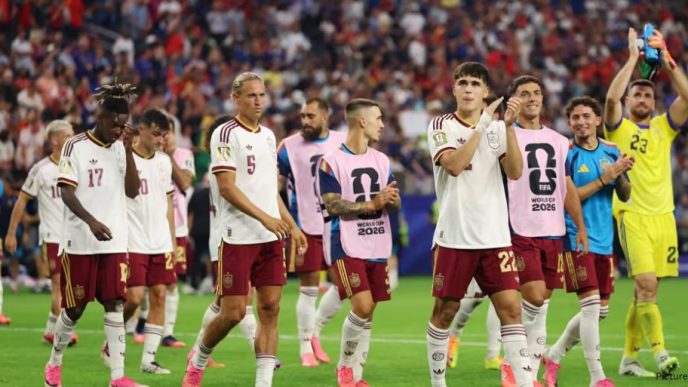
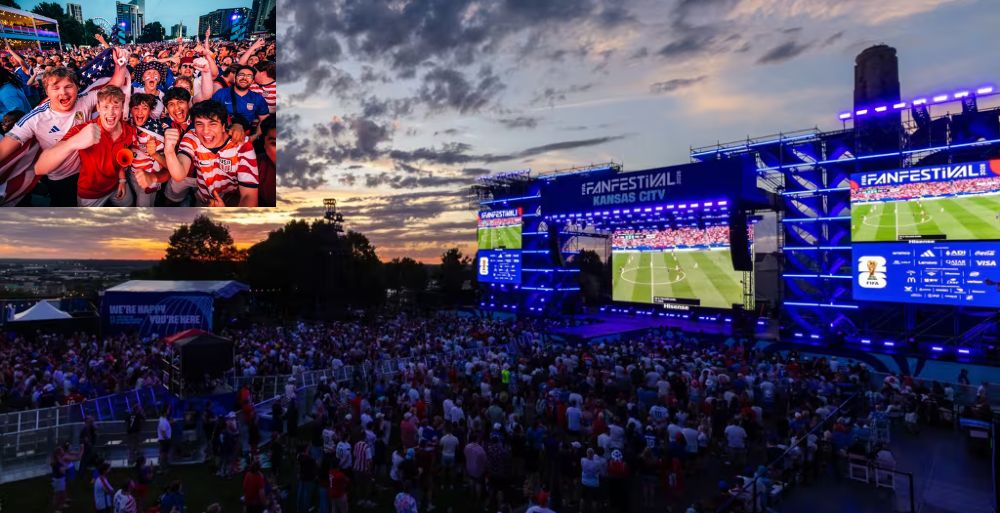
The FIFA World Cup 2026 has once again shown that football’s greatest legacy is not only measured by goals and trophies, but by the people, cultures, and unforgettable moments that unite the world every four years.
The FIFA World Cup has always been about more than football. While trophies are won by players on the pitch, the tournament is equally remembered through the emotions, traditions, and unforgettable moments created by millions of supporters.
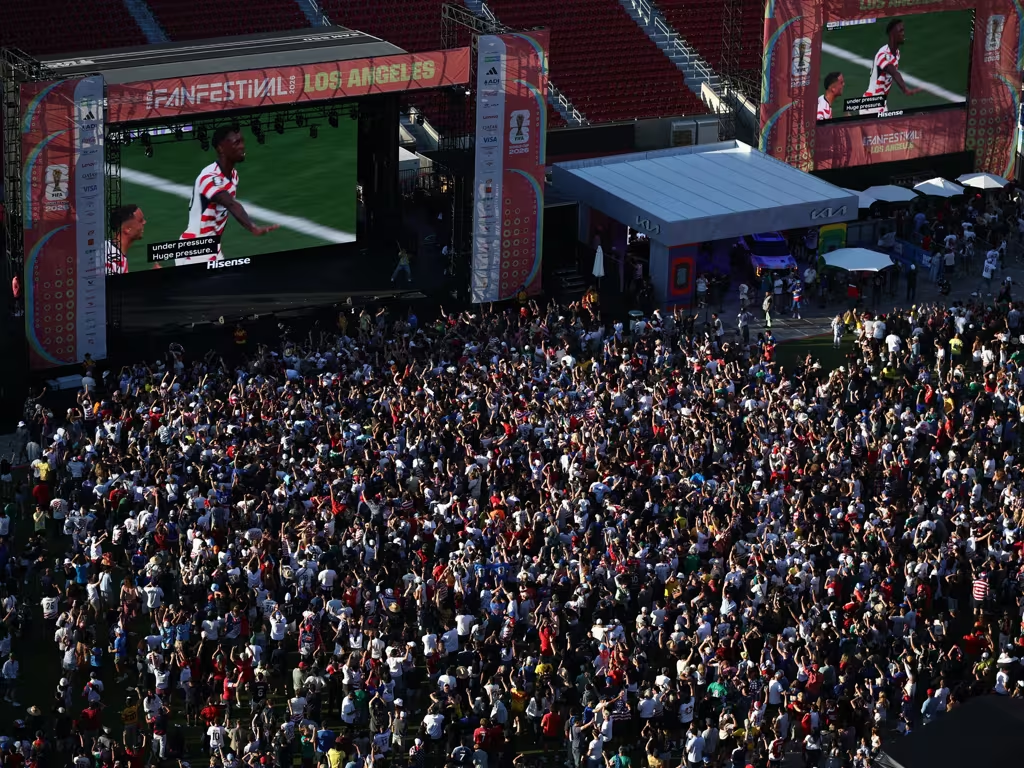
As the expanded 48-team FIFA World Cup 2026 enters its decisive stages, fans across the United States, Canada, and Mexico have transformed the tournament into one of the largest global celebrations of sport, culture, and national identity.
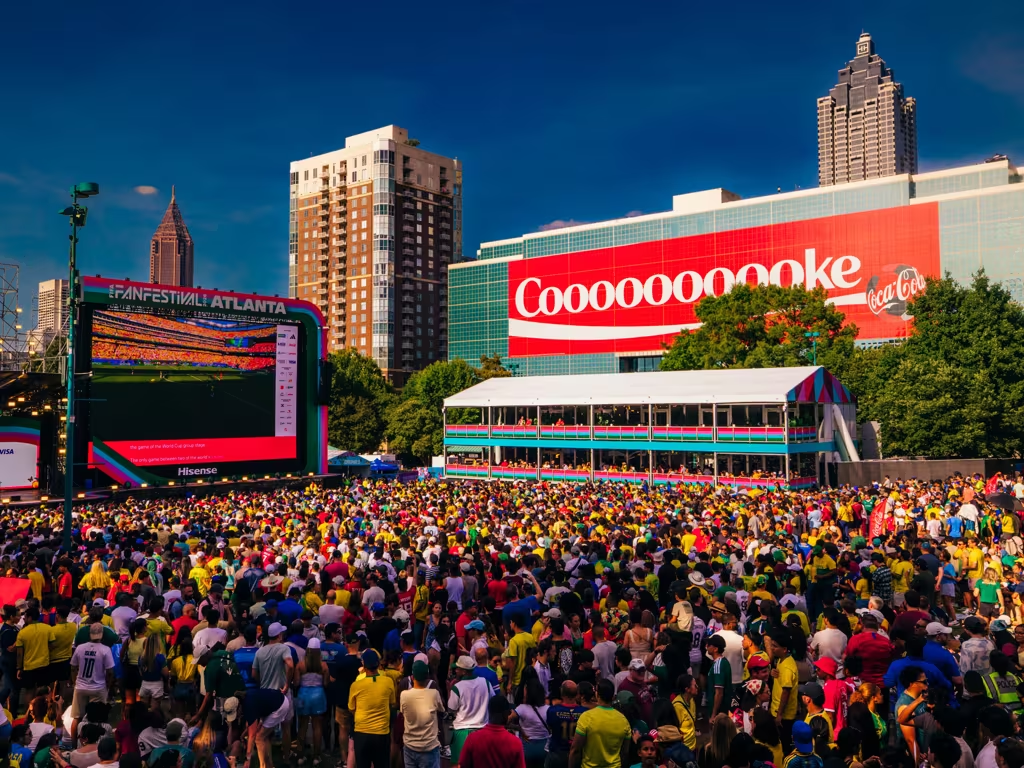
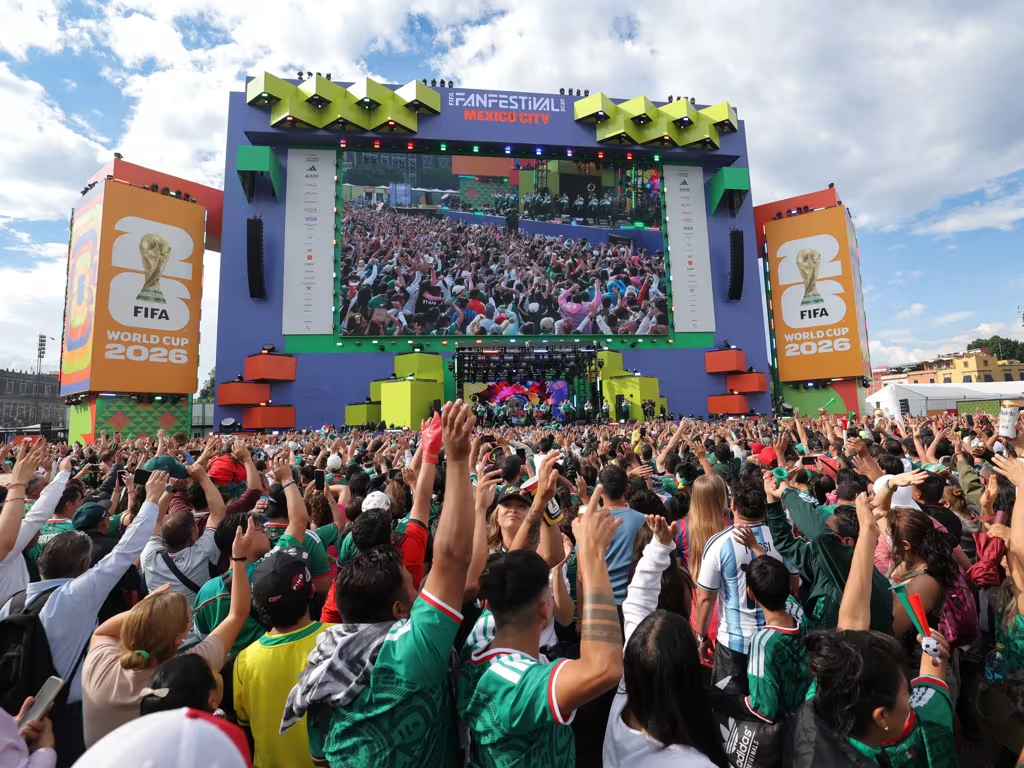
From packed stadiums and vibrant fan zones to streets thousands of miles away from the host nations, supporters have created an atmosphere that reflects football’s unique ability to unite people across borders, languages, and generations.
A Tournament Painted in National Colours
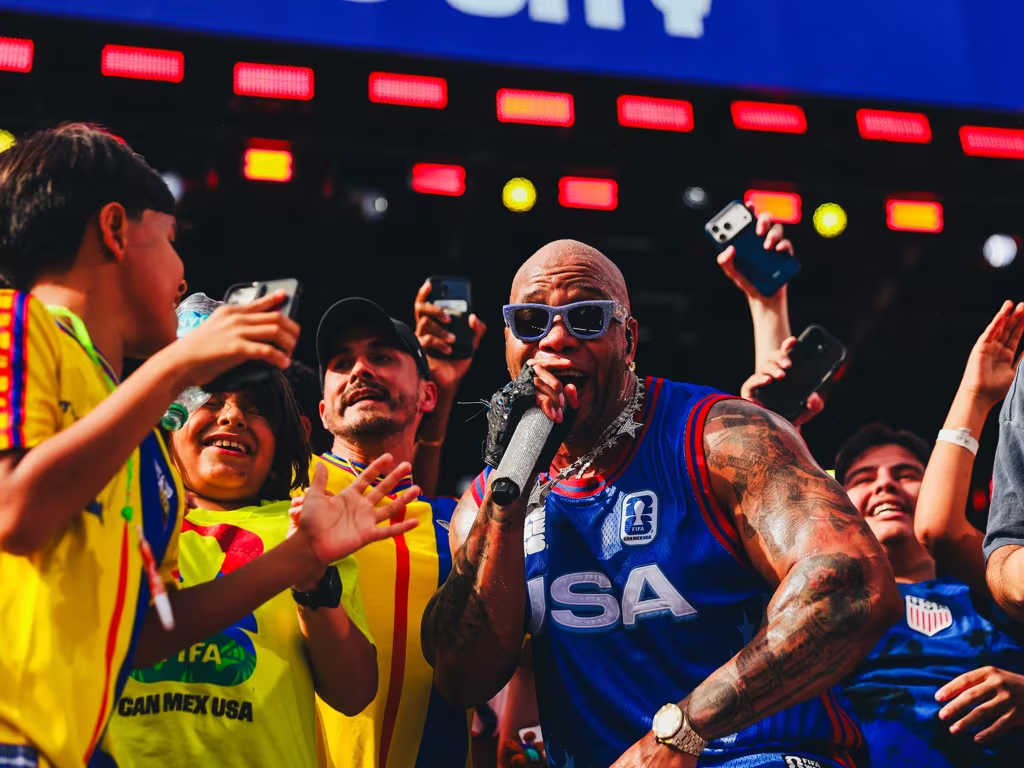
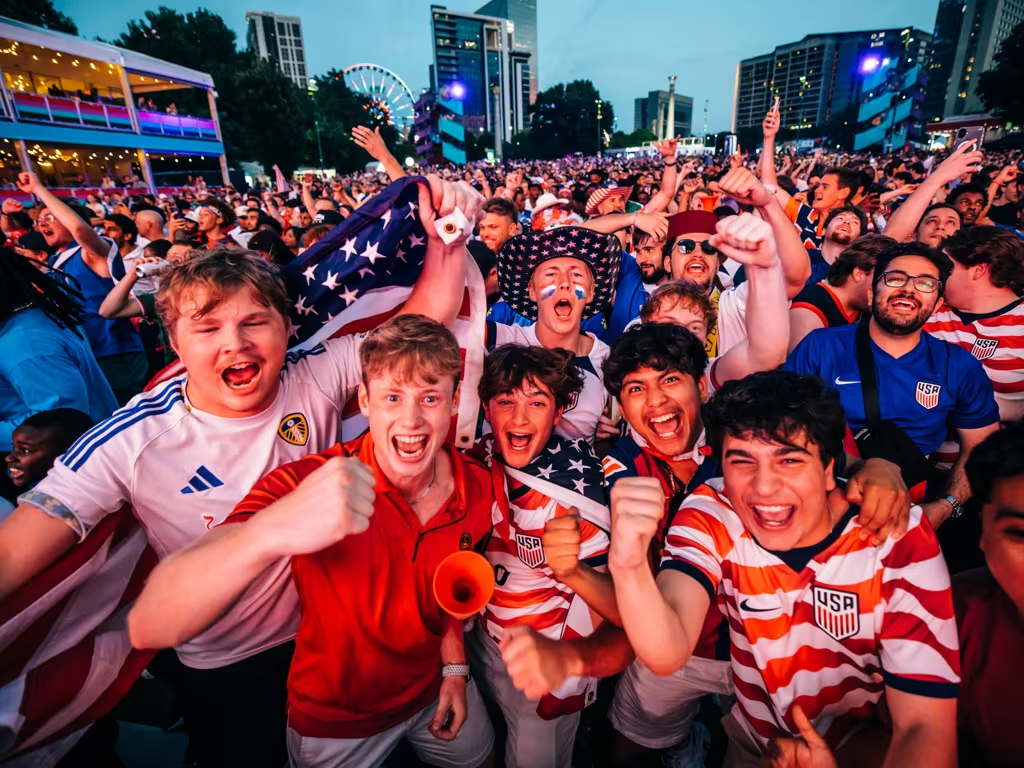
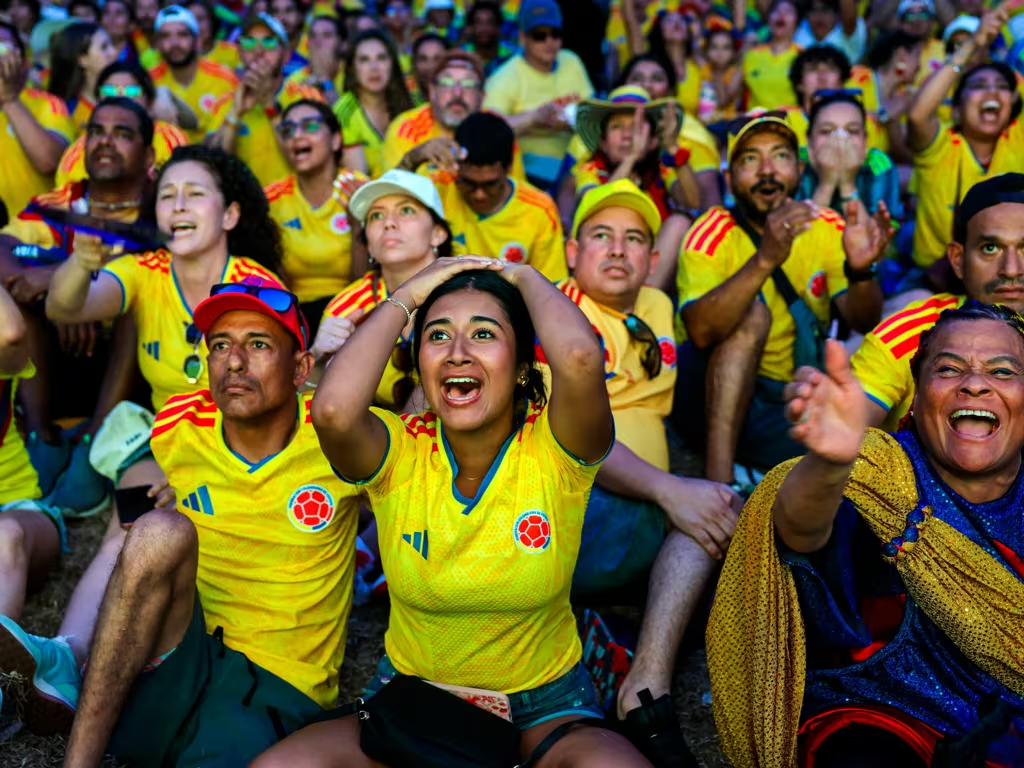
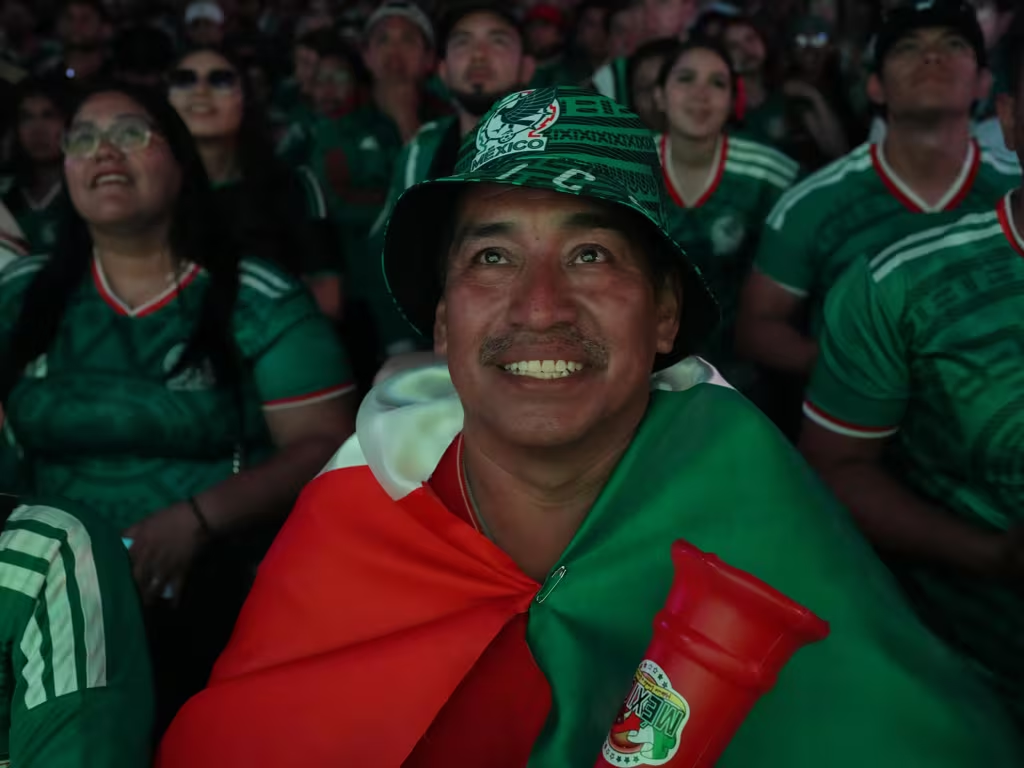
Every matchday has brought an explosion of colour and passion.
Supporters dressed in the orange of the Netherlands, the yellow of Brazil and Ecuador, the green of Mexico, the blue of Japan and Curaçao, and the orange of Ivory Coast have turned stadiums into moving celebrations of national pride.
For many, the World Cup has become an emotional journey. Children celebrated their nation’s victories with unrestrained joy, while heartbreaking eliminations left fans in tears as dreams came to an end.
Even countries absent from the tournament found ways to participate.
In Kolkata, India—often described as one of the country’s football capitals—a neighbourhood transformed an entire street into “FIFA Gully,” celebrating global stars such as Lionel Messi, Cristiano Ronaldo, and Neymar despite India not participating in the competition.
Football as a Celebration of Culture
The tournament has also become a showcase for cultures from around the world.
Argentine supporters recreated traditional asado gatherings in Miami, roasting meat over open fires before matches.
Scottish fans arrived wearing kilts and carrying bagpipes, while Swedish supporters celebrated their traditional Midsummer festivities in Texas.
Norwegian fans introduced spectators to the Viking Row celebration, and Japanese supporters once again drew admiration for cleaning stadiums after matches using their well-known gomi hiroi tradition.
Rather than merely supporting teams, fans shared traditions that introduced millions to their countries’ cultures.
New Heroes Win Global Hearts
The World Cup also produced new football stories that captured worldwide attention.
Tournament debutants Cape Verde emerged as one of the competition’s biggest surprises, pushing eventual favourites Argentina into extra time before narrowly losing 3-2 in the Round of 32.
The tiny island nation of around half a million people became one of the tournament’s most popular teams, earning admiration for fearless performances against football’s established powers.
Thousands gathered in the capital, Praia, to welcome the players home after their historic campaign.
Farewell to an Era
For many supporters, the tournament also marked the closing chapter of football’s greatest rivalry.
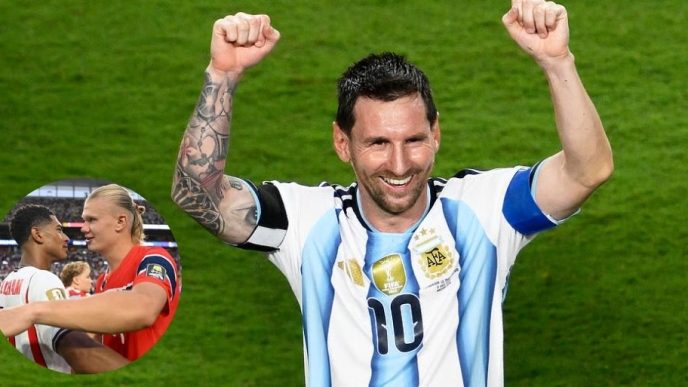
Lionel Messi and Cristiano Ronaldo both appeared in their record sixth FIFA World Cup, representing the final World Cup chapter for two players who have dominated world football for nearly two decades.
Messi continued adding to his remarkable World Cup legacy, while Ronaldo’s emotional exit with Portugal brought tears to fans who recognised they were witnessing the end of an extraordinary international career.
Their influence extended far beyond the stadiums.
In the Czech Republic, one devoted supporter decorated his entire car in Argentina’s colours in tribute to Messi, while dogs wearing Messi jerseys accompanied fans gathering for Argentina’s matches in Texas.
Memories Beyond Results
As teams leave the tournament, supporters return home carrying memories that extend well beyond goals and victories.
The friendships formed between rival supporters, the shared songs in stadiums, spontaneous celebrations in city streets, and collective heartbreak after elimination remain some of the World Cup’s most enduring experiences.
While only one nation will lift the trophy, millions of fans have already won something equally valuable—a month of shared emotion that only the world’s biggest sporting event can provide.