
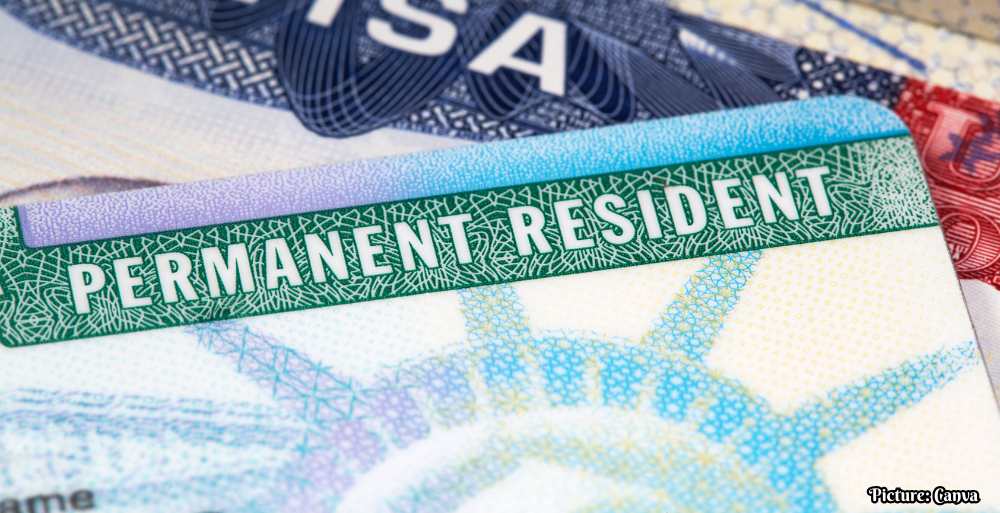
After announcing a significant policy shift regarding green card applicants, the Department of Homeland Security has sought to clarify its stance, indicating that not all immigrants will need to leave the U.S. to obtain permanent residency.
The Department of Homeland Security (DHS) made headlines last week when it announced that immigrants seeking permanent residency would generally need to leave the United States to await their green cards. However, following widespread backlash and confusion, the department issued a clarification on Friday, May 29, 2026, asserting that this was not a blanket policy change and that many applicants could remain in the country.
In a statement, a DHS spokesperson explained that the announcement was intended to remind immigration officers of their existing discretionary authority to allow certain applicants to remain in the U.S. while awaiting their green cards. This clarification came after the initial announcement led to fears among immigrants and their advocates regarding a looming policy shift that could dramatically impact their residency applications. “This was just a reminder to officers of their discretionary authority, which has always existed on a case-by-case basis,” the spokesperson stated.
Background on Green Card Processing
Historically, U.S. immigration policy has allowed many immigrants to apply for permanent residency from within the country, particularly those who are sponsored by employers or close relatives. In 2024 alone, approximately 1.4 million green cards were issued, with around 820,000 granted through a process known as “adjustment of status.” This process enables individuals to apply for green cards while residing in the U.S., thus avoiding the complications that may arise from leaving the country.
Under the previous guidance, many immigrants, including those who had overstayed visas, were permitted to remain in the U.S. while their applications were processed. However, the recent announcement indicated that only those who qualify for “extraordinary” exemptions would be able to stay, prompting concern about the implications for family-sponsored applicants who might not have the requisite business visa.
Reactions from Immigration Advocates and Legal Experts
The response to the initial announcement was swift and critical. Immigration lawyers expressed concerns that the policy could unintentionally create significant barriers for those seeking residency. Sarah Pierce, a former U.S. Citizenship and Immigration Services (U.S.C.I.S) official, remarked that the administration’s approach seemed characterized by “shock and awe” rather than a strategic vision that serves the country’s best interests.
Benjamin Johnson, executive director of the American Immigration Lawyers Association, noted that the original announcement’s ambiguity posed challenges for legal challenges that may arise. “It does make it more difficult to figure out what you’re suing for when you don’t know what this thing really is,” he said, pointing to the confusion surrounding the scope of the changes.
Business Community Concerns
Business groups also voiced apprehension about the potential implications of the policy. Neil Bradley, executive vice president and chief policy officer at the U.S. Chamber of Commerce, acknowledged that while the administration’s efforts to reduce illegal immigration were commendable, they should aim to enhance the legal immigration system instead. Bradley warned that the changes could disrupt businesses that rely on high-skilled foreign labor.
In response to the initial announcement, many employers expressed concern about the impact on their foreign workforce, particularly those on H-1B and other temporary visas waiting for green cards. Bernard Wolfsdorf, managing partner at Wolfsdorf Rosenthal, highlighted that these workers are critical to maintaining America’s technological edge, and the possibility of being forced to leave the country may discourage them from pursuing their applications.
Looking Ahead: Implications for Future Applicants
As the DHS attempts to clarify its position, lingering questions remain about how the new guidance will be implemented. The confusion extends to whether individuals from countries where immigrant visa processing has been paused will be required to leave the U.S. to apply for green cards and under what circumstances exemptions might apply based on national interest.
The muddled rollout of the policy has raised concerns that it may deter potential immigrants altogether. Data from the hiring platform Indeed indicates a sharp decline in interest from foreign job-seekers in U.S. positions, reflecting the anxiety stemming from the recent announcements. Victoria Slatton, managing partner at Slatton & Hass, remarked on the panic the memo has caused, suggesting it may effectively discourage individuals from even considering the application process.
Ultimately, the DHS’s recent clarifications appear to be an attempt to mitigate fears and confusion surrounding immigration policy. However, the effectiveness of these efforts remains to be seen as stakeholders continue to grapple with the implications of the announced changes.