India is rapidly advancing its solar energy capacity, positioning itself as a leader in sustainable industrialization while facing significant challenges.
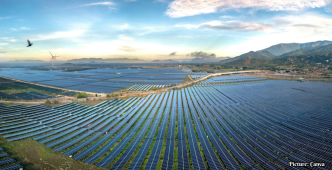
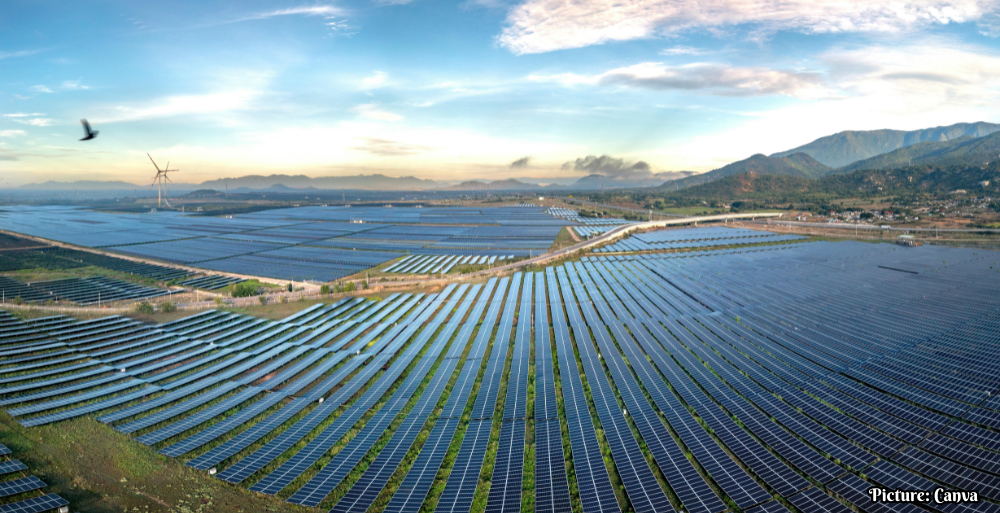
NEW DELHI — India’s ambitious push to harness solar energy marks a significant shift in its industrialization strategy, with the country rapidly developing solar infrastructure to meet its growing energy demands. By 2029, the Khavda solar park in the Rann of Kutch, covering an area of 280 square miles, is projected to become the world’s largest solar facility, boasting a generating capacity of 30 gigawatts, enough to power a nation the size of Austria.
As India’s economy surpasses that of China, the country’s solar capacity has been expanding at an impressive rate of 40 percent annually. In March, India’s total installed solar capacity exceeded 150 gigawatts, with projections suggesting it could double by 2030. Analysts indicate that India is poised to become the first major nation to predominantly power its industrialization through solar energy.
The Shift from Coal to Solar
Historically, India’s government favored coal as the backbone of its energy policy, with the expectation of doubling coal production by 2020. This approach resulted in rising carbon emissions and intensified climate change challenges. However, as the cost of solar technology has declined, the Indian government has begun to shift its focus toward renewable energy sources.
“Cheap solar is enabling India to develop without the long fossil-fuel detour taken by the West and China,” remarked Kingsmill Bond, energy strategist at Ember, a U.K.-based think tank. He emphasized that while China built its economy on coal, India is leveraging solar energy, setting a potential precedent for other emerging economies.
In contrast to its earlier coal-centric policies, India has made substantial strides in solar energy adoption. For the first time in 2022, more than half of India’s installed generating capacity came from non-fossil fuel sources. As electricity demand grows by over 6 percent annually, solar energy is expected to fulfill a significant portion of this increase, according to the International Energy Agency (IEA).
Challenges to Implementation
Despite the rapid growth in solar capacity, India faces considerable challenges in fully transitioning to solar energy. The country’s outdated electrical grid struggles to efficiently transmit the captured solar power from the western deserts to urban centers. Reports indicate that last year, nearly 40 percent of the solar power generated went unused due to transmission limitations.
Charith Konda, an energy researcher, noted that the pace of solar facility construction has outstripped grid enhancement efforts. The Ministry of New and Renewable Energy has committed over $100 billion to upgrade the grid by 29 percent by 2032, creating Green Energy Corridors to connect solar hubs with major population centers.
Additionally, there are significant storage challenges, as India currently lacks sufficient infrastructure to store renewable energy for use during peak demand periods, particularly after sunset and during the monsoon season. Proposed solutions include pumped storage systems that utilize water to balance supply and demand, as well as the implementation of lithium-ion battery storage to enhance the reliability of solar power supply.
The Role of Private Sector and International Relations
Leading the solar charge is the Adani Group, India’s largest private power producer and a key player in solar development. Founded in 1988, the company has been subject to scrutiny regarding its close ties with Prime Minister Narendra Modi and allegations of corruption in securing contracts. In 2023, concerns were raised when military protocols regarding construction near the border with Pakistan were overridden to facilitate the Khavda project.
Despite these controversies, Adani’s solar projects, including the Khavda complex, which has an installed capacity of 9.4 gigawatts as of April 2023, feature advanced technologies such as automated cleaning systems for solar panels. The facility also integrates wind energy generation to supplement solar output during nighttime.
Environmental and Social Considerations
India’s rapid solar expansion also raises environmental and social concerns. The installation of solar panels often requires significant land, which can lead to conflicts with local communities and agricultural practices. Initiatives like agrivoltaics, which allow farming beneath solar installations, are being explored to mitigate conflicts. However, large-scale solar farms can also threaten local wildlife habitats, as seen with the Khavda project’s proximity to the Rann of Kutch Wildlife Sanctuary.
As India strives to meet its energy needs sustainably, the central challenge remains balancing growth with environmental stewardship and social equity. The global implications of India’s energy transition are profound, particularly as the country aims to achieve its goals by 2047, the centenary of its independence.
In the context of global climate commitments, India’s strategy of advancing solar energy—while reducing reliance on coal—presents a potential model for other developing countries. With a current per capita electricity consumption significantly lower than the global average, India’s journey toward a solar-powered future could influence global energy dynamics and climate action strategies.
As the world watches, the question remains not whether solar can power India’s energy needs, but rather how quickly it can scale to meet both domestic demands and international climate goals.