
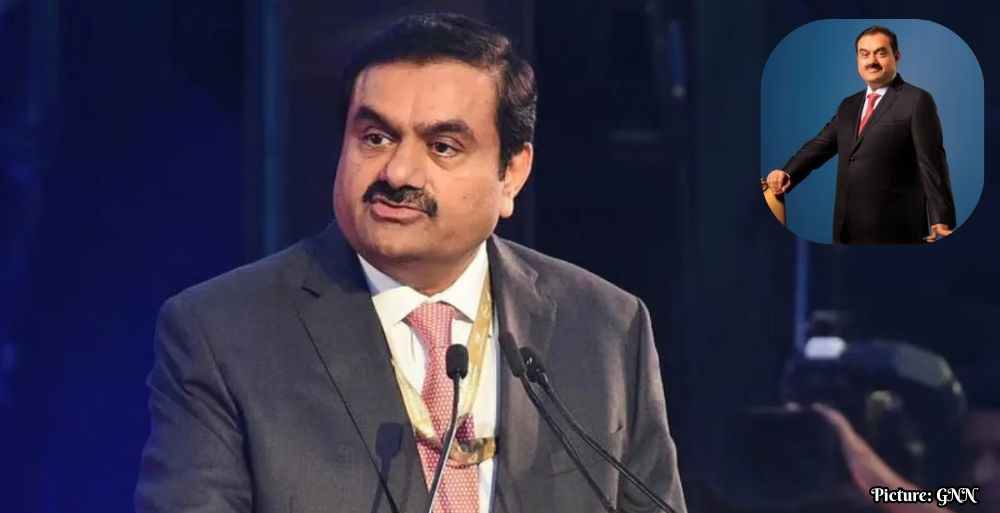
A federal judge has mandated Indian billionaire Gautam Adani to clarify any potential quid pro quo regarding the Justice Department’s dismissal of bribery and securities fraud charges against him.
A federal judge in Brooklyn has ordered Indian billionaire Gautam Adani to respond to inquiries concerning whether any promises or agreements were made in connection with the recent dismissal of criminal charges against him by the U.S. Department of Justice (DOJ). On July 9, 2026, U.S. District Judge Nicholas G. Garaufis issued the ruling, specifying that Adani must provide answers by July 15.
This order marks a significant escalation in tensions between the DOJ and the court over the dismissal of accusations that Adani and several associates engaged in a scheme to pay over $250 million in bribes to Indian government officials to secure contracts for solar energy supplies. The decision to drop these charges has raised considerable scrutiny, particularly given the involvement of senior politically appointed DOJ officials.
Background on the Dismissal of Charges
The dismissal was unexpected, especially as the case had previously withstood reviews from both the DOJ and the Securities and Exchange Commission (SEC), following a White House-ordered evaluation of Foreign Corrupt Practices Act prosecutions. This earlier assessment had indicated substantial grounds for pursuing the case, which accused Adani of orchestrating a significant bribery scheme. However, the decision was reversed under the leadership of Trent McCotter, the Principal Associate Deputy Attorney General, who acted after discussions with attorneys representing Adani from the law firm Sullivan & Cromwell.
Sources familiar with the matter reported that during these discussions, McCotter and other officials met with attorneys Jamie McDonald, Bob Giuffra, and Andrew DeFilippis. Giuffra presented a presentation that disputed the evidence of alleged bribery, suggesting that if the charges were dropped, Adani was willing to invest $10 billion in the American economy. This claim has raised concerns regarding the implications of such negotiations and whether they could constitute an improper quid pro quo.
Judicial Concerns and DOJ Defense
In a recent court filing, McCotter defended the DOJ’s decision to dismiss the charges, arguing that any inquiry into the reasoning behind such dismissals could have negative repercussions for future prosecutions. He contended that demanding explanations for dismissals could inhibit the DOJ’s ability to seek justice in similar cases, stating, “Demanding the rationales for dismissal will hurt defendants—not just the defendants here, but untold other defendants in future cases.”
Furthermore, McCotter addressed media reports that suggested the dismissal was influenced by Adani’s purported investment offer. He asserted that these claims were leaked by current and former prosecutors and had no relevance to the DOJ’s decision-making process. McCotter emphasized that he had already resolved to seek dismissal of the charges due to their lack of merit before any discussions regarding investment took place.
Judge Garaufis notably highlighted McCotter’s remarks in his order, expressing concern over the potential for undisclosed agreements related to the dismissal of charges. He remarked that McCotter’s statements introduced the possibility of a quid pro quo arrangement, which had not been previously disclosed to the court.
Historical Context of Tensions Between the DOJ and the Judiciary
This situation is not unprecedented and mirrors previous instances of conflict between federal judges and the DOJ regarding the dismissal of criminal charges. A notable example occurred last year when a federal judge in the Southern District of New York raised similar concerns after senior political officials sought to dismiss public corruption charges against former New York City Mayor Eric Adams. This led to significant backlash, including the resignation of 11 federal prosecutors in protest, bringing to light questions about potential political motivations behind the dismissal.
Ultimately, the judge mandated that the government dismiss the case with prejudice, meaning it could not be refiled. The court commented that the circumstances surrounding the case “smacks of a bargain,” highlighting ongoing scrutiny of the DOJ’s conduct, especially in cases involving high-profile defendants and allegations of political interference.
Implications for Adani and the DOJ
As the case continues to unfold, the implications of the judge’s order for Adani and the integrity of the DOJ’s actions will be closely monitored. The outcome may not only affect Adani’s legal standing but could also have broader ramifications for how the DOJ handles similar cases in the future. The scrutiny surrounding this case underscores the delicate balance between legal accountability and political influence within the realm of federal prosecutions.
The Adani case highlights the complexities involved in high-stakes international business dealings and the potential for conflicts of interest when federal authorities engage with powerful figures. As the judge’s inquiry into potential quid pro quo arrangements progresses, it may set important precedents for future prosecutions involving allegations of corruption and political favoritism.
In summary, the unfolding legal drama surrounding Gautam Adani illustrates the challenging landscape of federal law enforcement, particularly when high-profile individuals are implicated. The court’s insistence on transparency in the dismissal process, coupled with the DOJ’s defense of its actions, will likely continue to fuel debate over the intersection of justice and political expediency.