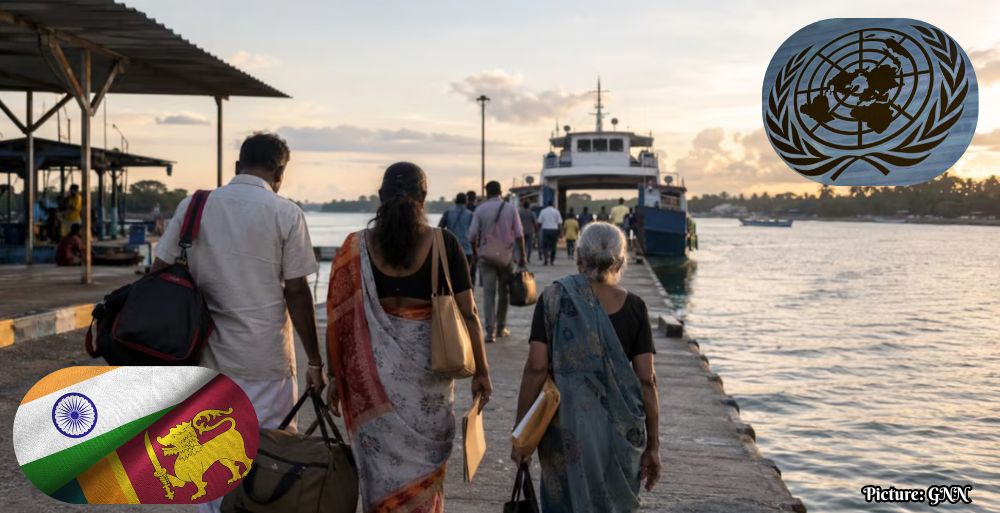
The United Nations has applauded Sri Lanka’s recent efforts to simplify immigration procedures, facilitating the voluntary return of refugees from India, a significant step towards addressing the humanitarian consequences of the country’s protracted civil conflict.
The United Nations (UN) expressed its endorsement on August 22, 2026, of the Sri Lankan government’s initiative aimed at streamlining immigration processes for refugees wishing to return from India. This initiative is designed to assist those who fled Sri Lanka during the decades-long civil war, which lasted from 1983 until 2009, resulting in extensive displacement and humanitarian challenges.
Historical Context of the Refugee Crisis
The civil conflict in Sri Lanka was characterized by intense ethnic violence predominantly between the Sinhalese majority and the Tamil minority. The hostilities commenced in 1983, prompting a significant influx of Tamils into neighboring India, particularly in Tamil Nadu. Over the years, it is estimated that around 90,000 Sri Lankan refugees have established their lives in India. While approximately 18,000 refugees returned to Sri Lanka between 2002 and 2022, a considerable number remain in India, facing various challenges related to livelihoods, legal status, and integration into Indian society.
The Sri Lankan government has introduced special arrangements to facilitate the repatriation process, acknowledging the long-standing plight of its citizens who fled the conflict. These arrangements are intended to simplify procedures for obtaining necessary documentation and ensure a more accessible return for those who left the country without valid papers.
UNHCR’s Support and Statements
Marc-Andre Franche, the UN Resident Coordinator and representative of the Secretary-General in Sri Lanka, emphasized the role of the United Nations High Commissioner for Refugees (UNHCR) in this initiative. He stated that the UNHCR would continue to support the Sri Lankan government in facilitating the safe and dignified return of these refugees. In a post on social media platform X, Franche remarked, “I welcome the Cabinet’s decision on procedures for the voluntary return of Sri Lankan refugees—a key step towards a safe & dignified return after years of displacement.” This statement underscores the UN’s commitment to assisting in the reintegration of returning refugees into Sri Lankan society.
Policy Implications and Challenges
The decision to simplify immigration procedures represents a significant acknowledgment by the Sri Lankan government of the need to address the humanitarian situation of its citizens living abroad. By easing the return process, the government aims to restore the rights and dignity of these refugees and facilitate their reintegration after years of displacement. However, the road to repatriation is complex and fraught with challenges.
Many refugees have spent decades in India, establishing lives, securing employment, and forming community ties that complicate their potential return. Additionally, questions regarding their legal status in India and the economic conditions awaiting them in Sri Lanka are critical considerations that must be addressed to ensure successful reintegration. The Sri Lankan economy has faced numerous challenges in recent years, including inflation and unemployment, which raise concerns about the availability of adequate support for returning refugees.
Next Steps and Future Collaborations
As the Sri Lankan government moves forward with this initiative, it has yet to release detailed information regarding specific measures that will accompany this policy change. Areas of concern include financial assistance, job placement services, and housing support for returning refugees. The UNHCR’s involvement will be instrumental in developing a comprehensive framework to address the diverse needs of repatriating individuals, including reintegration assistance and access to health and social services.
In the coming months, the continuation of collaboration among the Sri Lankan government, the UNHCR, and the international community will be vital. Ensuring that the repatriation process is conducted in a manner that respects the rights and dignity of refugees is paramount. Advocacy groups and human rights organizations are anticipated to closely monitor the implementation of these new procedures, emphasizing the necessity of transparency and accountability throughout the repatriation process.
Looking Ahead
This development signifies a pivotal moment in the protracted history of Sri Lankan refugees and their enduring quest for a safe and dignified return to their homeland. As the UN continues to bolster these efforts, the focus will remain on addressing the myriad challenges faced by refugees and ensuring that their rights are upheld. The implications of this initiative extend beyond the immediate logistical concerns; they highlight the broader need for reconciliation and healing within Sri Lankan society as it moves forward from the shadows of conflict.
In conclusion, while the path towards repatriation is laden with obstacles, the Sri Lankan government’s recent policy change and the support from the UN signal a commitment to rectify past injustices and improve the conditions for those affected by the civil war. The successful return and reintegration of refugees could contribute to a more stable and harmonious future for Sri Lanka, fostering an environment where all communities can thrive.