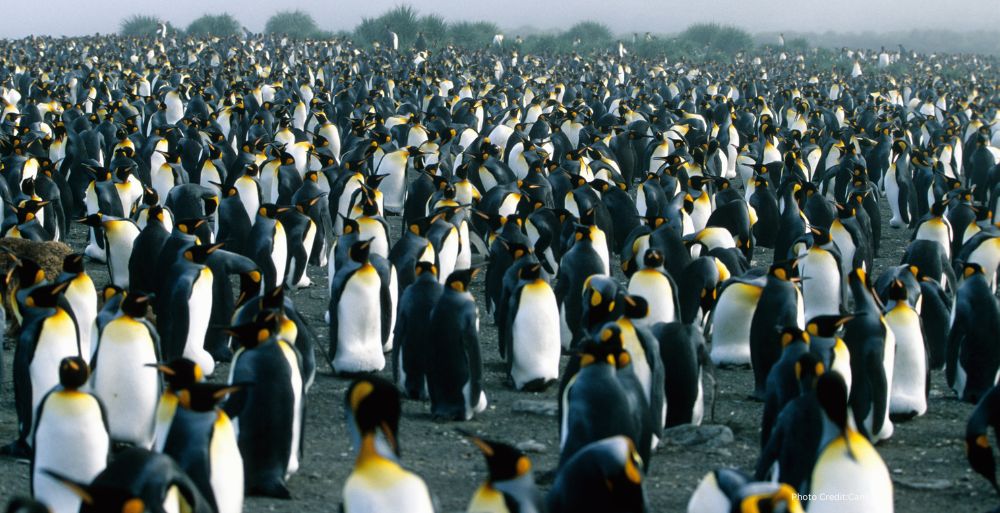
Recent research reveals a troubling 63% decline in chinstrap penguin nests on Zavodovski Island, attributed to climate change’s impact on food sources and habitat.
Researchers from the British Antarctic Survey (BAS) have unveiled alarming findings regarding the chinstrap penguin population on Zavodovski Island, a remote volcanic outpost in the South Sandwich Islands, north of Antarctica. Aerial surveys conducted in 2025 indicate that the number of occupied nests has plummeted by 63% since 2011, raising serious concerns about the future of this species, which may now be classified as endangered.
Historical Context of Zavodovski Island
Zavodovski Island was once celebrated for hosting the largest penguin colony globally, with BAS estimating a population of approximately 600,000 chinstrap penguins and 90,000 macaroni penguins in 2011. This dramatic decline has led scientists to speculate that the chinstrap penguins may have lost this title, now held by a colony more than 5,000 kilometers away at Cape Adare in the Ross Sea. The BAS team undertook significant efforts to reach the island, including a 15-day sailing expedition, employing drones and aerial photography to gather comprehensive data on the penguin populations.
Impact of Climate Change on Food Supply
According to Professor Norman Ratcliffe, who led the research, the sharp decrease in chinstrap penguin numbers is directly related to climate change. One of the primary factors is the warming of ocean waters, which has adversely affected the availability of krill, the principal food source for chinstrap penguins. “With waters warming, the krill that the chinstrap penguins eat have moved southwards,” Ratcliffe explained. He further noted that a decline in sea ice and inadequate nesting islands has hindered the penguins’ ability to follow their food supply.
The implications of these changes are particularly dire for chinstrap penguins, which exhibit a specialist diet and prefer cooler waters. As warmer ocean temperatures continue to affect their habitat, the survival of this species hangs in the balance.
Other Environmental Stressors
The researchers also investigated additional environmental stressors impacting the penguin population. The island’s avian inhabitants nest under the shadow of Mount Curry, an active volcano that emits sulfurous fumes. This volcanic activity contributes to a unique ecological dynamic, with areas downwind of the volcano bearing names such as Stench Point and Asphyxia Plain, indicative of the harsh living conditions.
While the volcano poses a distinctive challenge, the most pressing threat appears to be competition for krill from migrating humpback whales. Though these whales consume substantial quantities of krill, they also contribute to krill production through their waste, which fertilizes marine vegetation. However, researchers believe that the overarching issue lies in a climate-driven shift in oceanic food supplies that is destabilizing the penguins’ habitat.
Macaroni Penguins: A Contrasting Story
In a noteworthy twist, while the chinstrap penguin population is declining, macaroni penguins on Zavodovski Island are experiencing a population boom. Researchers attribute this increase to the macaroni penguins’ broader, more adaptable diet, which allows them to forage in warmer waters and supplement their intake with fish and other crustaceans. This adaptability has positioned macaroni penguins to thrive amid environmental changes, contrasting sharply with the plight of their chinstrap counterparts.
Dr. Ratcliffe remarked that this demographic shift represents the “biggest change in community composition ever observed at a single location in Antarctica.” The findings emphasize that cold-adapted species like chinstrap penguins are increasingly unable to coexist with their more adaptable sub-Antarctic neighbors as climate change accelerates.
Conservation Implications
The ramifications of these findings extend beyond the immediate fate of the chinstrap penguin. They underscore the vulnerabilities faced by specialized species in a rapidly changing climate. The loss of the title for the world’s largest penguin colony is not merely a change in status but signals a significant ecological shift that may have lasting effects on marine ecosystems in the region.
As climate change continues to reshape ecosystems across the globe, the plight of the chinstrap penguin serves as a poignant reminder of the fragility of these unique ecological communities. Researchers are stressing the urgent need for continued monitoring and conservation efforts to protect these penguins and their habitats. The situation on Zavodovski Island highlights the broader challenges posed by climate change, not only to wildlife but also to the intricate relationships that define these ecosystems.
Without immediate and effective action, the continuing decline of chinstrap penguins could serve as a harbinger of broader ecological disruptions in the Southern Ocean. As scientists continue to study the impacts of climate change on Antarctic wildlife, the need for international collaboration and commitment to conservation initiatives has never been more critical.