
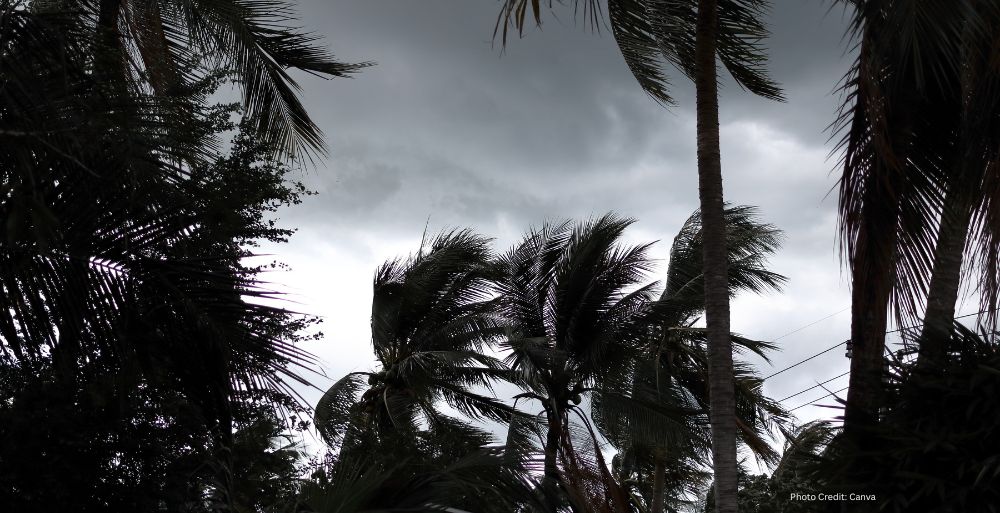
The ongoing El Niño phenomenon is significantly altering global weather patterns, leading to a record number of hurricanes in the eastern Pacific while causing an unusual quiet in the Atlantic region.
The 2023 weather patterns are being dramatically influenced by the ongoing El Niño event, which is characterized by warmer-than-average sea surface temperatures in the central and eastern Pacific Ocean. This climatic phenomenon has resulted in a substantial increase in hurricane activity in the eastern Pacific, with 22 named storms and 12 hurricanes reported thus far, including 10 major hurricanes. This figure not only surpasses the typical seasonal averages but also arrives with two months remaining until the official end of the hurricane season on November 30.
Hurricane Activity in the Eastern Pacific
The conditions fostered by El Niño—elevated ocean temperatures and reduced wind shear in the upper atmosphere—have created a highly conducive environment for storm development. A prominent example of this intensified activity is Hurricane Polo, which experienced rapid intensification, reaching wind gusts of up to 180 mph (285 km/h). The hurricane’s strength was fueled by the exceptionally warm waters associated with El Niño. Remarkably, Polo was part of a rare occurrence where three hurricanes—Polo, Odalys, and Nolo—were simultaneously present in the eastern Pacific. Such phenomena have now been observed twice within the span of a month, underscoring the intensity of the current hurricane season.
Earlier in September, the eastern Pacific witnessed an extraordinary situation where three hurricanes—Lowell, Karina, and Marie—were concurrently active. According to meteorological records, the last instance of three simultaneous hurricanes in this region occurred in 2015, highlighting the unusual nature of the current season.
Calm in the Atlantic Ocean
In stark contrast, the Atlantic Ocean has experienced a notable lack of hurricane activity this season. The increase in wind shear—a known effect of El Niño—has disrupted storm formation in the Atlantic basin. Consequently, only one hurricane has formed: Hurricane Isaias, which made landfall in the Florida Panhandle and Alabama. This marked the latest formation of a hurricane on record in the satellite era, surpassing the previous late formation date of September 11, recorded in 2002 and 2013.
Typically, meteorologists expect approximately 10 named storms, five hurricanes, and two major hurricanes in the Atlantic by this point of the season. However, the 2023 Atlantic hurricane season has recorded merely eight tropical storms: Arthur, Bertha, Cristobal, Dolly, Edouard, Fay, Gonzalo, and Hanna. This stark contrast highlights the profound influence of El Niño on regional weather patterns, as the eastern and western Pacific diverge markedly in meteorological activity.
Understanding El Niño’s Broader Impacts
The El Niño phenomenon operates on a cyclical basis, occurring every two to seven years, and has far-reaching consequences on global weather patterns. Its effects extend beyond hurricane activity, influencing precipitation patterns, temperature variations, and drought conditions in various regions worldwide. For instance, the current El Niño has been linked to increased rainfall in some areas while contributing to drought conditions in others, showcasing its complex and multifaceted impacts.
Climate scientists are closely monitoring this ongoing El Niño event, as its duration and intensity are likely to have significant implications for global weather patterns in the coming months. Historical data indicates that strong El Niño events can lead to above-average global temperatures, adversely affecting agricultural yields and water supply across diverse regions. Such changes can have cascading effects on food security and economic stability, particularly in developing nations that depend heavily on agricultural exports.
Future Projections and Considerations
As the hurricane season progresses, the ramifications of these weather patterns will likely be felt more widely. The El Niño phenomenon not only influences the immediate weather patterns but also serves as a reminder of the broader implications of climate variability. With the increasing frequency and intensity of such climatic events, policymakers and communities must consider strategies to mitigate the impacts on vulnerable populations and ecosystems.
In summary, the 2023 hurricane season is being distinctly shaped by the El Niño phenomenon, leading to a surge in hurricane activity in the eastern Pacific while creating an atypical calm in the Atlantic. The contrasting hurricane activity underscores the complex dynamics of oceanic and atmospheric interactions driven by El Niño, a phenomenon that continues to challenge our understanding of climate systems. As we move deeper into the hurricane season, the interplay between these two oceanic regions will not only affect meteorological outcomes but also influence economic and social conditions on a global scale.