
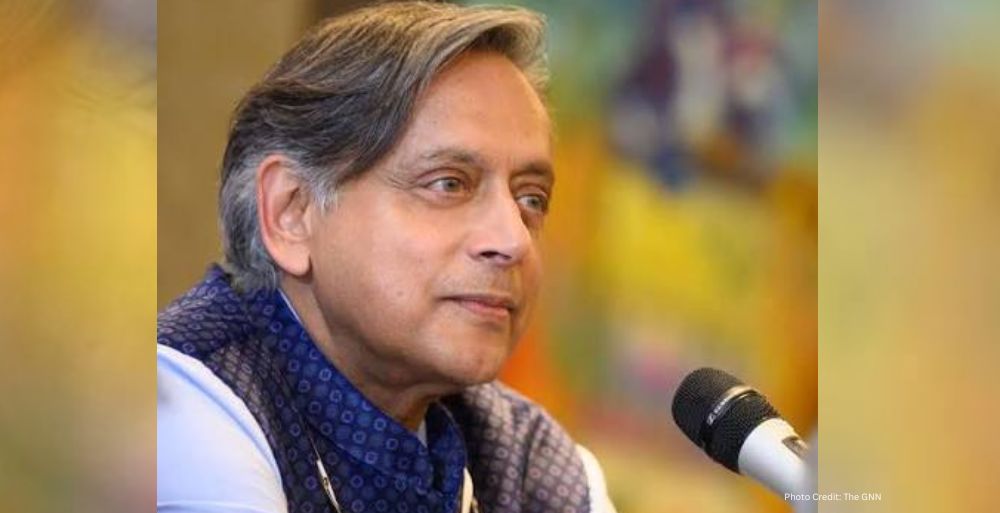
Congress MP Shashi Tharoor has urged the Indian government to ensure equal treatment for SpaceX’s Starlink and other satellite internet providers, emphasizing that consumer choice should guide the market’s direction.
Thiruvananthapuram – In a statement made on Monday, Congress Member of Parliament Shashi Tharoor addressed the ongoing regulatory challenges faced by SpaceX’s Starlink as it seeks entry into India’s satellite internet market. Tharoor’s comments highlight the need for equal treatment of all companies vying for market share, including those backed by established Indian conglomerates like Reliance Industries. His remarks come amid concerns raised by SpaceX CEO Elon Musk about delays in licensing that have hampered Starlink’s operations in India.
In an interview with the news agency ANI, Tharoor referenced the Indian government’s assertion that all companies seeking to establish a foothold in the satellite internet sector are subject to the same regulatory processes and face similar delays. He stated, “I’ve heard the government’s explanation on this issue, which is that there is a process and that all the companies bidding for this are in the same process and are facing the same delays. If that position of the government is taken literally, that means Musk is no further behind in the queue, and Ambani is no further ahead. I think we just have to wait for the process to play itself out.” This statement underscores Tharoor’s belief in a level playing field for all market entrants.
Consumer Choice as a Deciding Factor
Tharoor elaborated on several critical factors that will influence the competition in the satellite internet market, including technology, security considerations, technical specifications, and pricing. He emphasized that the ultimate decision would rest with consumers, remarking, “There are several factors. There are questions of the technology, certain security concerns, various kinds of details to do with the uplinking and finally cost. The last one, the ordinary public will decide. If you are giving me a service and he’s giving it to me for 10 times the price, I may take it from you. Or if I really feel that what he’s doing is worth 10 times the money, I’ll give it to him. Each subscriber will have to decide.”
In a personal disclosure, Tharoor mentioned that he is currently satisfied with his existing internet services and does not have a personal inclination towards using Starlink. He remarked, “Personally, I’m quite happy with my regular connections. I’m not looking for a Starlink myself. But if there are people who feel these things are useful, in a free country, let them have the opportunity.” This statement reflects a belief in consumer choice within a competitive market landscape.
Background on Starlink’s Regulatory Challenges
The public discourse surrounding Starlink’s entry into the Indian market has intensified following comments made by Elon Musk on social media. Earlier this month, Musk described the situation as “troubling” after Leader of the Opposition in the Lok Sabha, Rahul Gandhi, highlighted Musk’s claims that Starlink has faced significant barriers in obtaining a license in India despite adhering to all local laws and regulatory requirements for five years.
Musk’s comments prompted Gandhi to respond on the platform X, stating, “Welcome to India, Elon. Wait till you discover the other guy.” Musk had previously questioned the prolonged delays in licensing, pointing to Starlink’s successful operations in over 165 countries and asking rhetorically, “Is Ambani the real boss of India?” This exchange underscores the competitive tension between foreign and domestic players in the telecommunications sector and raises questions about regulatory practices that may favor established local players over newer entrants.
Government Response to Regulatory Allegations
In response to allegations of regulatory favoritism, the Indian Ministry of Communications has firmly rejected claims that vested interests are obstructing Starlink’s plans. The Ministry maintains that its regulatory framework for telecommunications services, which encompasses satellite communications, is designed to be fair and non-discriminatory. This stance aims to reassure both domestic and international companies of a level playing field in the burgeoning market for satellite-based internet services.
The Broader Implications for India’s Internet Landscape
The ongoing debate surrounding Starlink’s entry into India reflects broader themes of competition and innovation in the telecommunications sector. As satellite internet has the potential to bridge the digital divide, particularly in rural and underserved regions, the regulatory landscape will play a crucial role in determining how effectively new players can contribute to enhancing internet accessibility across the country. Failure to address these regulatory hurdles could result in delays that hinder the overall growth of internet services, potentially leaving millions without reliable connectivity.
As the situation evolves, it remains to be seen how the regulatory framework will adapt to accommodate the interests of both Starlink and Indian companies like Reliance Industries. The outcome of this competition may significantly influence the landscape of internet accessibility in India, particularly in areas where traditional infrastructure has struggled to meet demand. Policymakers will need to balance the interests of established firms with the need to foster innovation and competition, ensuring that consumers ultimately benefit from a diverse array of service options.