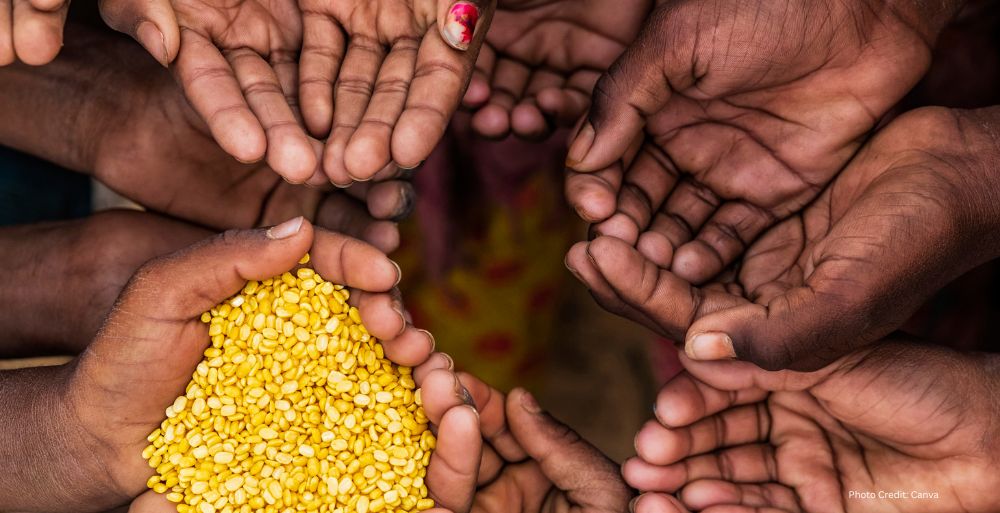
Despite global food production exceeding historical highs, over a quarter of the world’s population continues to experience hunger, attributed to systemic injustice, inequality, and conflict, according to UN officials.
ROME, October 19, 2026 – During a significant address to the Committee on World Food Security, UN High Commissioner for Human Rights Volker Türk emphasized that the persistent hunger affecting more than 25% of the global population is an avoidable tragedy. He highlighted that current global food production exceeds 3,000 calories per person per day, marking a historic high in food availability. However, Türk pointed out that the gap between food availability and access is fundamentally rooted in systemic injustice and the denial of basic human rights.
“The right to food has been recognized in numerous international treaties and laws, yet for far too many individuals, it remains an unfulfilled promise,” Türk stated, underscoring the urgent need for a paradigm shift in how society addresses food distribution. The High Commissioner’s remarks come at a time when the world is grappling with the dual challenges of food surplus and widespread hunger.
Food Waste and Economic Disparities
Türk emphasized the alarming reality that households around the world waste over one billion meals every day. He noted that just 1% of the world’s farms control more than 70% of global agricultural land, creating an inequitable system that marginalizes smaller farmers, especially women and Indigenous Peoples who often lack access to critical resources and support. These inequities exacerbate food insecurity and highlight the need for targeted policy reforms.
Conflict zones were identified as critical contributors to acute hunger, with Türk stating that 12 of the 13 current hunger hotspots are affected by violence and instability. He remarked on the detrimental impact of restrictions on humanitarian aid and the targeting of aid workers, which he described as “cutting off the last lifelines” for vulnerable populations.
“We must do our utmost to ensure the rules of war are upheld and hunger is never used as a method of warfare,” Türk urged, advocating for a transition toward a human rights economy that prioritizes social protection, equitable agricultural policies, and meaningful climate action. He called for the implementation of fair taxation and agricultural policies designed to alleviate poverty and ensure that basic human rights, including the right to food, are upheld.
Escalating Famine and Starvation Tactics
Following Türk’s remarks, UN Special Rapporteur on the right to food, Sofía Monsalve Suárez, addressed the committee for the first time, expressing grave concern over the rising instances of famine and the strategic use of starvation in armed conflicts. While chronic hunger statistics showed a decline in 2025, Suárez noted a troubling increase in acute hunger, which has been steadily rising since 2016.
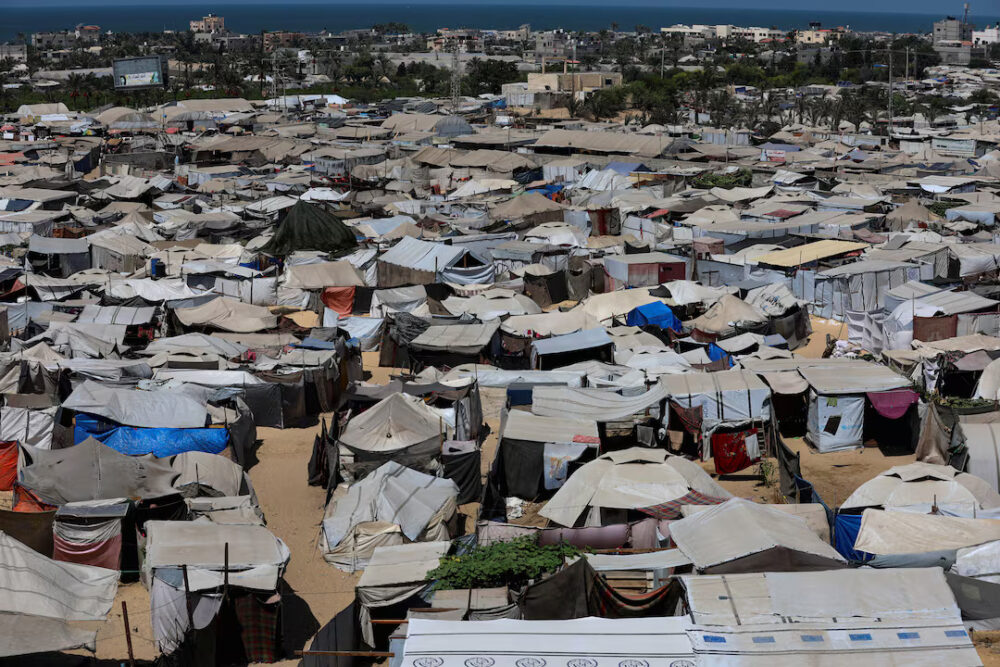
Currently, approximately 266 million individuals experience acute hunger daily, with 1.4 million people in six nations facing catastrophic conditions. Countries such as Sudan, South Sudan, the Democratic Republic of the Congo, Yemen, and Gaza are among the most severely affected. Suárez characterized the return of famine and the weaponization of hunger as “an unprecedented moral challenge for our generation,” lamenting that these actions are often carried out with impunity.
“We need a stronger framework for accountability and prevention,” Suárez asserted, advocating for enhanced coordination among the UN Security Council, the Committee on World Food Security, the human rights system, and food security monitors to bolster early warning systems and responses to emerging crises. She emphasized the necessity for a collaborative approach to address the root causes of hunger and famine, particularly in conflict-affected regions.
Global Implications and the Path Forward
The discussions at the Committee on World Food Security underscore a critical juncture in global efforts to eradicate hunger. The stark reminder that, despite the availability of resources, systemic barriers continue to hinder equitable access to food, is a call to action for governments, organizations, and individuals worldwide. As climate change, conflict, and economic disparities exacerbate the crisis, the call for comprehensive solutions has never been more urgent.
In conclusion, the addresses by Türk and Suárez at the Committee on World Food Security serve as a sobering reflection on the global hunger crisis. They highlight the necessity for a concerted effort to ensure that the right to food is not just a theoretical concept but a reality for all. As the world moves forward, the integration of social justice, equitable resource distribution, and accountability mechanisms will be crucial in addressing the systemic causes of hunger and ensuring food security for future generations.