Iran has announced a substantial discovery of over 7.5 trillion cubic feet of natural gas in Fars Province, a development that arrives during a period of economic strain exacerbated by U.S. sanctions and damage from ongoing regional conflicts.
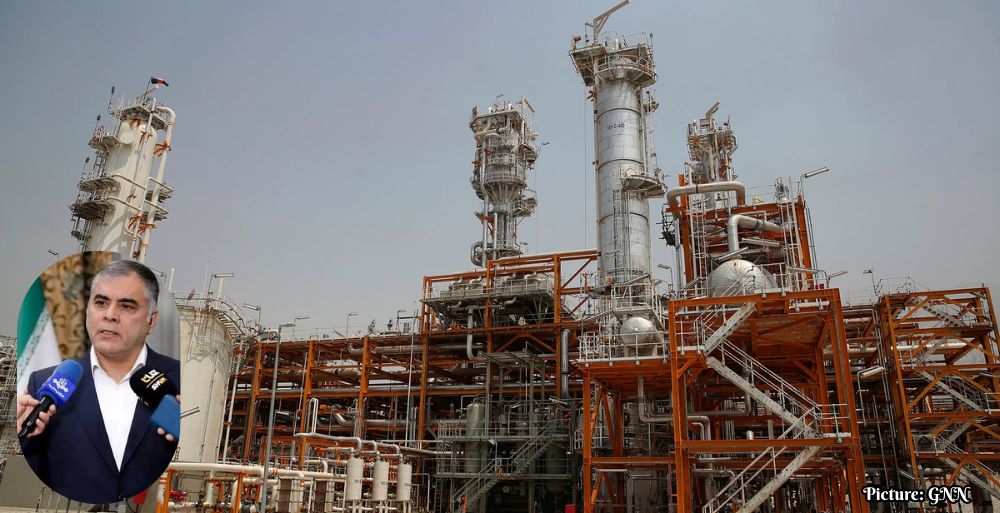
TEHRAN, Iran – On August 23, 2026, Iran’s Oil Minister Mohsen Paknejad revealed a significant discovery of more than 7.5 trillion cubic feet (approximately 212.4 billion cubic meters) of natural gas located in a field in the southern Fars province. This announcement, reported by state media, marks a critical boost to Iran’s energy resources at a time when the country is grappling with economic difficulties intensified by U.S. sanctions and infrastructure damage resulting from a prolonged conflict with Israel and the United States.
Details of the Discovery
The newly found gas field is estimated to yield around 5,700 billion cubic feet of recoverable gas, a figure that significantly enhances Iran’s existing natural gas reserves. Prior to the onset of the current conflict, Iran’s natural gas production stood at approximately 650 million cubic meters per day, equating to an annual output of about 8.4 trillion cubic feet. This new reserve could thus represent a meaningful addition to Iran’s overall production capacity, providing potential relief as the nation continues to face diminished output due to wartime impacts.
Impact of Ongoing Conflict
The timing of this discovery is particularly critical, as Iran’s energy sector has suffered extensive damage owing to military actions that escalated in late February 2026. Reports indicate that these strikes have reduced Iran’s natural gas production capacity by around 230 million cubic meters per day. In light of these challenges, Iranian officials have expressed hope to restore about 100 million cubic meters per day of lost production capacity in the coming months. However, the ongoing conflict complicates these recovery efforts, thereby making the new gas reserve even more vital to Iran’s energy strategy.
Sanctions and Economic Pressures
Simultaneously, the Iranian government faces the potential for new U.S. sanctions, which could impose additional constraints on its economy. Such sanctions could further hinder Iran’s efforts to revitalize its energy sector and may complicate the development of the newly discovered gas fields. Despite these pressures, Paknejad emphasized that this discovery could enhance Iran’s long-term gas supply outlook, offering valuable resources for both domestic consumption and potential exports, assuming that the necessary infrastructure and investment are secured.
Quality and Development Prospects
The quality of the gas has been characterized as “sweet,” indicating lower levels of hydrogen sulfide and other impurities. This characteristic is expected to make the field more appealing for development, as it would necessitate less processing and thus lower both development and operational costs. Nonetheless, the timeline and scale of future production will be contingent on several factors, including the establishment of adequate infrastructure, the influx of foreign investment, and the broader economic implications of existing and potential sanctions.
Historical Context and Future Implications
Historically, Iran has been one of the world’s leading producers of natural gas, possessing the second-largest reserves globally. However, ongoing U.S. sanctions since 2018 have hampered Iran’s ability to fully capitalize on its energy resources, leading to a significant downturn in production and investment. The recent conflicts have further exacerbated these challenges, creating a precarious situation for the Iranian economy. In this context, the discovery of the new gas reserve could be a crucial turning point, providing the country with the means to bolster its energy sector and potentially stabilize its economy.
The implications of this discovery extend beyond Iran’s borders. Should Iran manage to develop this field successfully, it could alter regional energy dynamics, particularly if the country is able to resume and expand its exports. This development could also impact global gas markets, depending on how international players respond to the evolving situation in Iran.
In conclusion, the announcement of this substantial gas reserve represents a significant moment for Iran as it seeks to recover from the damages incurred during wartime and address the complexities posed by international economic pressures. The successful development of this resource could not only reshape Iran’s domestic energy landscape but also influence its role in the broader regional and global energy markets. As the situation evolves, stakeholders will be closely monitoring the developments surrounding this discovery and its potential ramifications for Iran’s energy strategy and economic recovery.