The United States has initiated ‘Operation Economic Outcast,’ a comprehensive economic campaign aimed at crippling Iran’s financial systems through stringent sanctions, marking a strategic shift from military action to economic pressure in U.S.-Iran relations.
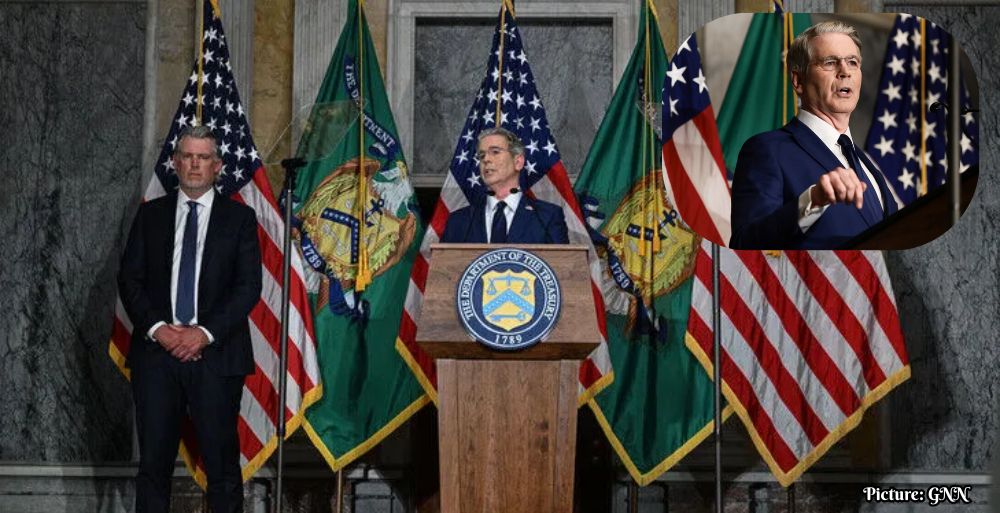
WASHINGTON — The United States government has announced the launch of ‘Operation Economic Outcast,’ an ambitious initiative aimed at dismantling Iran’s economic infrastructure and compelling the nation to either negotiate with the U.S. or face severe international isolation. Treasury Secretary Scott Bessent unveiled the operation on August 24, 2023, outlining a strategy that aims to cut off all economic lifelines available to the Iranian regime.
During a press conference at the Treasury Department, Bessent described the initiative as a decisive “economic onslaught,” stating, “We are enforcing a zero-leakage approach. There will be no minimal breathing space for the regime to rebuild its capacity to inflict terror against America and the world.” This statement underscores a significant shift in U.S. policy, emphasizing economic sanctions as a primary tool for addressing the ongoing tensions with Iran.
Details of ‘Operation Economic Outcast’
Bessent elaborated on the specifics of the initiative, noting that the U.S. plans to impose additional sanctions on Iran while also targeting countries that maintain financial connections with Tehran. Such countries will face secondary sanctions, a measure that Bessent admitted could destabilize the global financial system, stating, “We are giving everyone the opportunity to remedy bad behavior. Why would I want to blow up the global financial system?” This approach reflects an effort to create a broad coalition against Iran’s economic activities, while providing nations a short adjustment period before sanctions take effect.
President Donald Trump has framed this economic campaign as an “economic D-Day,” drawing historical parallels to the military operations of World War II. The administration aims to target various economic interactions with Iran, including oil purchases, cash transfers, and ship registrations, which have been identified as potential triggers for sanctions. The overarching goal is to isolate Iran economically and politically within the international community, thereby reducing its ability to fund military and terror operations.
Operational Strategy and Implications
Bessent compared ‘Operation Economic Outcast’ to U.S. wartime efforts, stating, “In the Second World War, D-Day marked the historic beginning of a campaign with our allies to target and drive the enemy from its positions. Today, in that same spirit, we are launching an economic onslaught against Iran’s financial connections around the globe.” This statement highlights the administration’s commitment to creating significant economic pressure on Iran by targeting its connections worldwide.
As part of this initiative, the U.S. is sanctioning 60 entities, individuals, and vessels believed to facilitate Iran’s procurement of illicit nuclear technology, conduct cyber operations, and generate oil revenue. Bessent emphasized that this represents a sustained campaign to eliminate every viable economic option available to Iran. He stated, “Let there be no ambiguity as to the position of the United States: An economic engagement of any kind with this murderous regime will expose those responsible to the full reach of American power.” This clearly indicates a zero-tolerance policy towards any country supporting Iran.
International Reactions and Responses
The implications of ‘Operation Economic Outcast’ extend beyond U.S.-Iran relations, as countries labeled as “Iran’s enablers,” including close U.S. allies such as Turkey and China, are under scrutiny for their economic interactions with Tehran. The administration has initiated discussions with these nations, urging them to reconsider their financial ties. Notably, Chinese President Xi Jinping is scheduled to visit the White House next month, which could provide a platform for further dialogue regarding these sanctions.
Recent developments indicate a shifting landscape. The United Arab Emirates (UAE), one of Iran’s largest trading partners, has announced a suspension of trade with Iran, a move that significantly impacts Tehran’s economy. This decision followed a ballistic missile attack attributed to Iran and aligns with the U.S. administration’s warnings about potential consequences for countries maintaining financial connections with Iran. Bessent remarked on the timing of the UAE’s announcement, suggesting a causal relationship between their actions and the U.S. sanctions strategy.
In his comments, Bessent indicated that the U.S. intends to maintain aggressive pressure against Iran and its allies, stating, “But they should know that that will move very quickly, and we are serious.” This statement serves as a warning to other nations regarding the swift implementation of sanctions and their potential ramifications for international trade and relations.
Broader Implications for Global Trade
‘Operation Economic Outcast’ is poised to reshape international trade norms and diplomatic engagements related to Iran. The initiative reflects a broader U.S. strategy to counter Iran’s influence in the Middle East and beyond, potentially leading to significant shifts in global economic relationships. Countries that have historically maintained strong ties with Tehran may be compelled to reevaluate their positions in light of the U.S. sanctions.
As this economic campaign unfolds, it may lead to increased tensions not only between the U.S. and Iran but also among other nations caught in the crossfire. The potential for destabilization of the global financial system looms, as countries reassess their economic engagements with Iran to avoid repercussions from U.S. sanctions. The long-term effects of ‘Operation Economic Outcast’ could redefine the geopolitical landscape in the region and impact global markets significantly.