
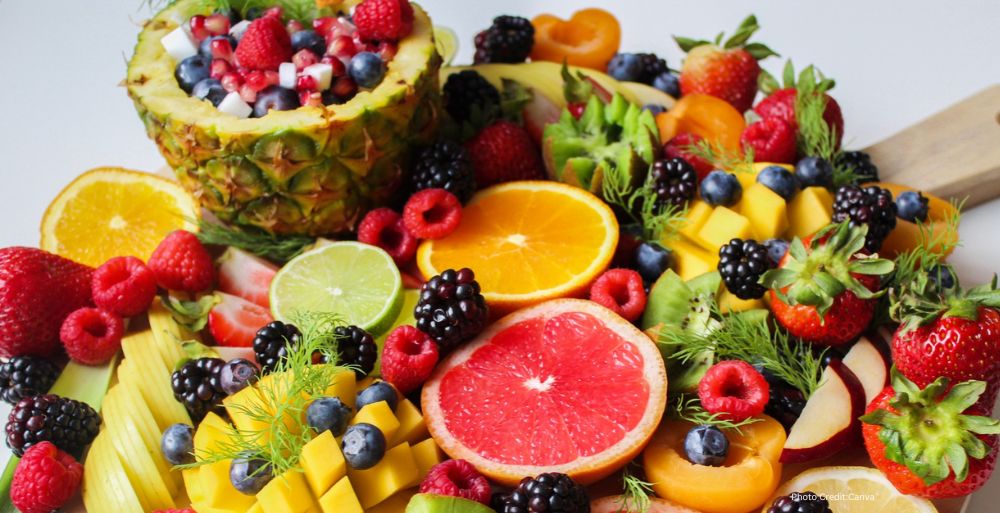
As health-conscious individuals strive to balance their diets, it is essential to understand the sugar content found in various fruits. This report explores the sugar levels in popular fruits, providing valuable insights for those aiming to maintain a healthy lifestyle.
In the current health landscape, where dietary choices significantly influence overall well-being, understanding the nutritional values of fruits is vital. Fruits are often lauded for their health benefits, including vitamins, minerals, and fiber, but they also contain natural sugars that can vary widely. This report delves into the sugar content of several commonly consumed fruits, underscoring the need for moderation and informed choices in fruit consumption.
High Sugar Fruits: A Closer Look
Among the fruits analyzed, mangoes are notable for their high sugar content, containing approximately 46 grams of sugar per fruit. This substantial amount may pose challenges for individuals who are monitoring their sugar intake, particularly those managing conditions such as diabetes or those seeking to maintain a healthy weight. Nutritionists recommend enjoying mangoes in moderation, suggesting that individuals consume a few slices at a time and save the rest for later.
Similarly, grapes are another fruit with considerable sugar levels, containing about 23 grams of sugar per cup. Their sweet flavor and convenient bite-sized nature can lead to overconsumption. To mitigate this, individuals might consider slicing grapes and freezing them, creating a refreshing snack that takes longer to eat, thus promoting mindful consumption.
Strawberries, while still sweet, offer a lower sugar option, with around 7 grams of sugar per cup. This makes them a suitable choice for those looking to indulge in fruit without excessive sugar intake. Their vibrant color and flavor make them an excellent addition to salads, enhancing both taste and nutritional value.
Moderation and Pairing Suggestions
When assessing sugar content, portion control becomes paramount. A medium pear, for example, contains approximately 17 grams of sugar. For those aiming to reduce their sugar intake, it is advisable to limit portion sizes. Nutritionists recommend incorporating a few slices of pear into low-fat yogurt or using them as a topping for salads, allowing for enjoyment of the fruit’s flavor without excessive sugar consumption.
Watermelon, another beloved summer fruit, also contains around 17 grams of sugar per medium wedge. Its high water content makes it a hydrating option, but moderation is encouraged. Pairing watermelon with a sprinkle of salt or cutting it into smaller slices can enhance its refreshing qualities while keeping sugar levels in check.
Bananas present an interesting case, with a medium banana containing about 14 grams of sugar. To manage sugar intake, individuals can slice half a banana into their morning cereal or incorporate smaller pieces into peanut butter sandwiches, effectively reducing overall sugar consumption.
Low-Sugar Fruit Options
Contrastingly, not all fruits are high in sugar. For instance, avocados, often overlooked as a fruit, contain only 1.33 grams of sugar per whole fruit. While they are low in sugar, avocados are calorie-dense, and thus should be consumed judiciously within a balanced diet. Their healthy fats provide an alternative source of energy and contribute to heart health.
Guavas offer another low-sugar option, with each fruit containing about 5 grams of sugar along with significant fiber content. Including guavas in smoothies, especially with the skin on, can enhance fiber intake, promoting better digestive health and satiety.
Raspberries are particularly noteworthy for their nutrient profile, providing 8 grams of fiber per cup while containing only 5 grams of sugar. This combination makes them an excellent choice for individuals aiming to feel fuller with fewer calories. Their small size allows for mindful consumption, and they can be enjoyed with fresh whipped cream as a light dessert.
In terms of nutritional benefits, some fruits combine low sugar levels with unique flavors. For example, a medium wedge of cantaloupe contains just 5 grams of sugar and 23 calories. Pairing cantaloupe with cottage cheese can create a nutritious snack that satisfies without excessive sugar.
Conclusion: Balancing Fruit Intake
In conclusion, while fruits are a vital component of a healthy diet, it is essential to be aware of their sugar content. This understanding allows individuals to make informed choices that align with their health goals. As the conversation around sugar intake continues to evolve, consumers are encouraged to enjoy fruits mindfully, balancing enjoyment with nutritional awareness. By incorporating a variety of fruits and being conscious of portion sizes, one can maintain a healthy diet that supports overall well-being. Ultimately, the key lies in understanding the diverse sugar profiles of fruits and making choices that foster a balanced approach to nutrition.