The U.S. Department of Labor has proposed a substantial increase in minimum wages for H-1B visa workers, aiming to enhance wage protections for U.S. employees and address long-standing concerns regarding foreign labor competition.
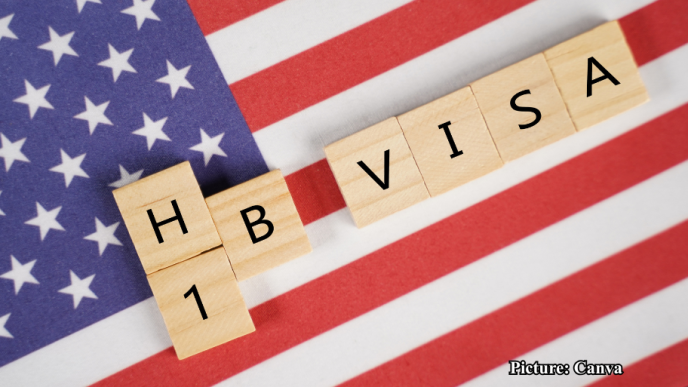
On March 27, 2026, the U.S. Department of Labor (DOL) unveiled a proposal to raise the minimum wages applicable to workers employed under the H-1B visa program by approximately 30%. This initiative is framed as a measure to safeguard American workers from wage suppression attributed to the hiring of foreign nationals. The proposed changes are set against the backdrop of a wage structure that has not been updated in over two decades.
Proposed Wage Increases
The proposed rule, titled “Improving Wage Protections for the Temporary and Permanent Employment of Certain Foreign Nationals in the United States,” seeks to adjust the prevailing wage levels across four distinct categories based on experience and job complexity. Currently, the wage for entry-level H-1B visa holders is $73,279 annually. The new proposal suggests increasing this figure to $97,746, representing a 33.39% increase. Other proposed wage adjustments include Level II workers’ salaries rising from $98,987 to $123,212 (a 24.47% increase), Level III from $121,979 to $147,333 (20.79% increase), and Level IV from $144,202 to $175,464 (21.68% increase). These salary adjustments are designed to vary according to geographical factors, ensuring alignment with local cost-of-living standards.
Context and Historical Background
The push for wage increases comes amidst a heated debate surrounding the H-1B visa program, which allows U.S. companies to hire foreign professionals in specialized fields. Critics of the current wage framework argue that it inadequately protects U.S. workers from potential wage undercutting by foreign employees. The existing wage benchmarks were established approximately 20 years ago, and many experts contend they no longer reflect the realities of the current labor market.
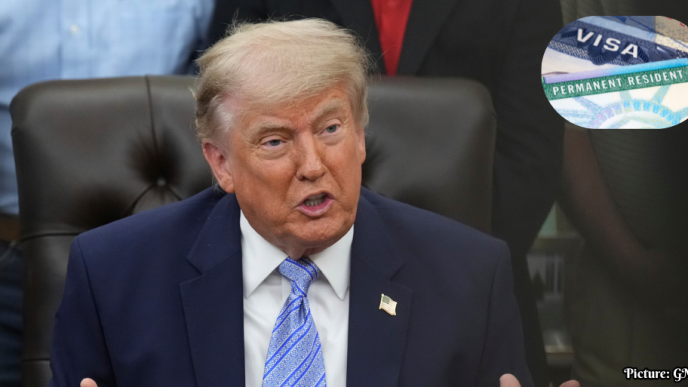
Prior attempts to adjust wage levels have encountered challenges. For instance, during the Trump administration, a series of measures were attempted to reform wage structures. In 2020, changes aimed at increasing the prevailing wage levels were introduced without prior notice or public comment, ultimately facing legal hurdles that halted their implementation. Additionally, in September 2025, an executive order mandated a $100,000 fee for H-1B candidates located outside the U.S. and instructed the Labor Secretary to initiate a review of wage levels. The current proposal represents a continuation of this directive, responding to calls for reform.
Public Response and Stakeholder Perspectives
The public comment period for the proposed rule is open until May 26, 2026, and initial responses have been diverse. Proponents of the wage increases, including labor unions and some workforce advocates, argue that raising wage standards is critical to protecting American jobs and ensuring fair labor practices. They assert that the proposed adjustments are necessary to prevent employers from exploiting lower foreign wage levels at the expense of U.S. workers.
Conversely, opponents, particularly small business owners and industry representatives, have voiced concerns that the increased wage requirements could hinder their ability to hire entry-level employees. Many small firms fear that the new wage standards may exceed their financial capabilities, potentially leading to a reduction in workforce or limiting opportunities for fresh graduates seeking employment in their fields.
The DOL has acknowledged that the existing methodology enables employers to recruit foreign workers at significantly lower wage levels compared to their American counterparts. This disparity has raised questions about equity in the labor market, prompting the DOL to aim for a recalibration that ensures fair compensation for all workers, regardless of nationality.
Potential Implications of the Proposed Changes
The implications of the proposed wage increases could extend beyond immediate labor market dynamics. If implemented, these changes may alter the landscape of the H-1B visa program, which is a critical component of the U.S. economy, especially in sectors such as technology, engineering, and healthcare. The increased wage levels could lead to a more competitive environment for job seekers, both domestic and international, while also prompting companies to reassess their hiring strategies and workforce planning.
Moreover, the DOL’s actions reflect a broader trend in U.S. labor policy that seeks to balance the interests of domestic workers with the need for skilled labor in a globalized economy. As the public comment period draws to a close, the DOL will evaluate feedback from various stakeholders before finalizing the rule, which could have lasting effects on the H-1B program and the overall labor market framework.
In summary, the proposed wage adjustments signify a pivotal moment in the ongoing dialogue regarding immigration and labor policy in the United States. As the administration navigates the complexities of these changes, it will be essential to monitor the responses from both advocates and detractors as the final rule is developed and implemented.