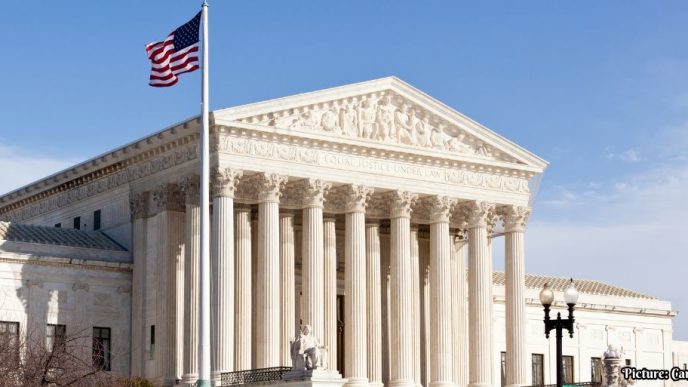
The U.S. Supreme Court’s recent ruling to abolish limits on coordinated spending between political parties and federal candidates marks a significant shift in campaign finance dynamics in the United States.
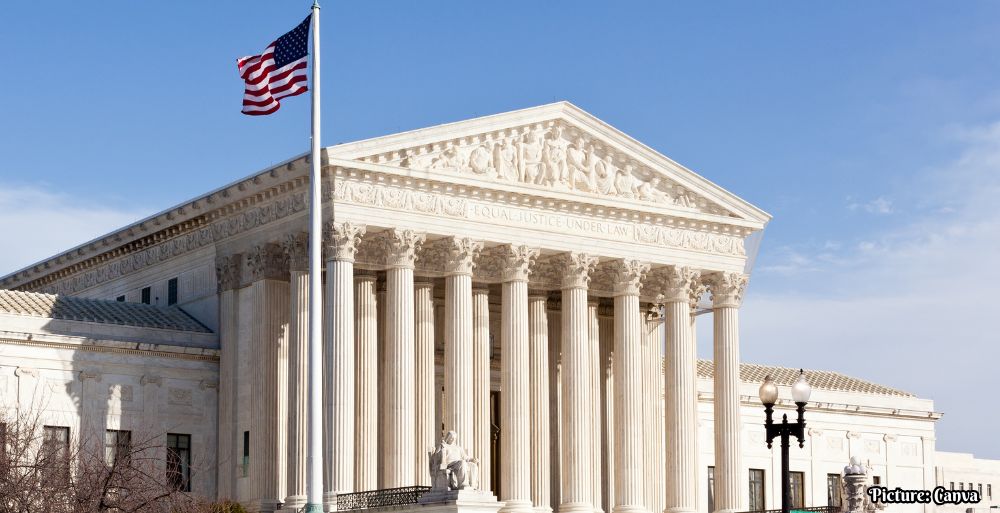
On October 4, 2023, the U.S. Supreme Court delivered a landmark decision that abolishes longstanding caps on coordinated spending between political parties and federal candidates. This ruling is poised to transform the financial landscape of American elections, influencing both the flow of money and the strategic operations of political campaigns across the nation. Henry C. (Hank) Boyd, a clinical professor of marketing at the University of Maryland’s Robert H. Smith School of Business, has emphasized that this ruling fundamentally alters the control of campaign financing.
Key Implications of the Ruling
Boyd identifies three critical implications stemming from the Supreme Court’s decision: increased leverage of political parties over Super Political Action Committees (SuperPACs), enhanced integration of campaign strategies, and the ability of parties to focus their resources strategically in areas where they can effectively influence electoral outcomes. The removal of spending caps empowers political parties to streamline their campaign efforts, fostering a more organized approach to both fundraising and voter outreach.
“This ruling by the high court isn’t really about whether more money enters politics; instead, it is about who controls that money,” Boyd stated, pointing out that the implications extend beyond financial transactions to encompass a reimagining of campaign orchestration and message delivery. The ability to control and coordinate spending effectively may lead to a more cohesive electoral strategy that resonates with voters more profoundly than fragmented efforts.
Strategic Integration and Brand Management
Increased spending coordination allows political parties to adopt more sophisticated marketing strategies similar to those found in the corporate sector. Boyd asserts that the Supreme Court’s decision grants political parties greater latitude to operate as brand managers, which is crucial in today’s media-saturated environment. “Disconnected messaging weakens a brand,” he noted, emphasizing that coherent narratives are essential for engaging voters.
This shift towards integrated messaging could redefine how campaigns are structured, allowing parties to present unified platforms that align with their political ideologies and voter expectations. By concentrating their resources where they can make the most significant impact, parties may enhance their chances of success in competitive races.
Historical Context of Campaign Finance in the U.S.
The Supreme Court’s ruling is the latest development in an ongoing evolution of campaign finance law that has unfolded over the past several decades. The 2010 Supreme Court case Citizens United v. Federal Election Commission was a pivotal moment, permitting increased expenditures by corporations and unions in elections. This ruling significantly altered the political financing landscape, leading to a surge in outside spending and the proliferation of SuperPACs.
Since Citizens United, various legal challenges and reform attempts have sought to address concerns regarding the implications of unrestricted funding in politics. The recent decision to eliminate limits on coordinated spending continues this trend towards deregulated campaign finance, which some critics argue exacerbates the influence of money in politics.
Anticipating Changes in the 2024 Election Cycle
As the 2024 election cycle approaches, the ramifications of the Supreme Court’s ruling are expected to become increasingly apparent. Candidates and political parties will likely adjust their strategies to leverage the new financial landscape, with those adept at navigating the new rules potentially finding themselves at an advantage in influencing voter behavior and electoral outcomes.
The ruling has reignited discussions about the role of money in politics, prompting varied reactions from lawmakers, advocacy groups, and the public. Critics assert that the decision could further entrench the influence of wealthy donors and special interest groups, raising concerns about the integrity of democratic principles. Supporters, however, argue that increased funding flexibility may lead to more competitive races and invigorated voter engagement.
Potential Consequences for Voter Engagement and Democracy
The implications of this ruling extend beyond the immediate financial adjustments; they may also affect voter engagement and the overall health of the democratic process. Enhanced coordination among political parties could result in more targeted outreach efforts, potentially leading to increased voter turnout. Alternatively, the concentration of campaign resources could deepen divides in political messaging, further polarizing the electorate.
As parties adapt to the new environment, the effectiveness of their strategies in mobilizing voters and shaping public opinion will be closely scrutinized. The ability of political parties to craft compelling narratives and maintain message discipline will be crucial as they seek to connect with an increasingly fragmented electorate.
Conclusion
The Supreme Court’s decision to eliminate caps on coordinated campaign spending represents a significant turning point in American electoral politics. As political parties recalibrate their strategies in response to this ruling, the implications for future elections, voter engagement, and the integrity of the democratic process will be critical areas of observation. The evolving dynamics of campaign finance will continue to shape the way elections are conducted and how voters interact with the political landscape.