A Wisconsin brewery known for its progressive stance faces the imminent revocation of its alcohol permit following a state investigation into permit violations and the owner’s controversial comments regarding former President Donald Trump.
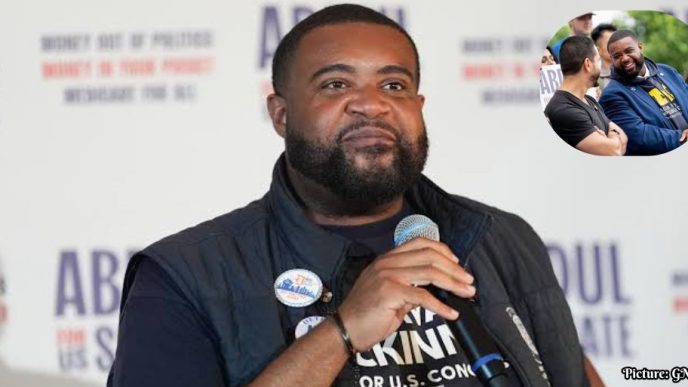
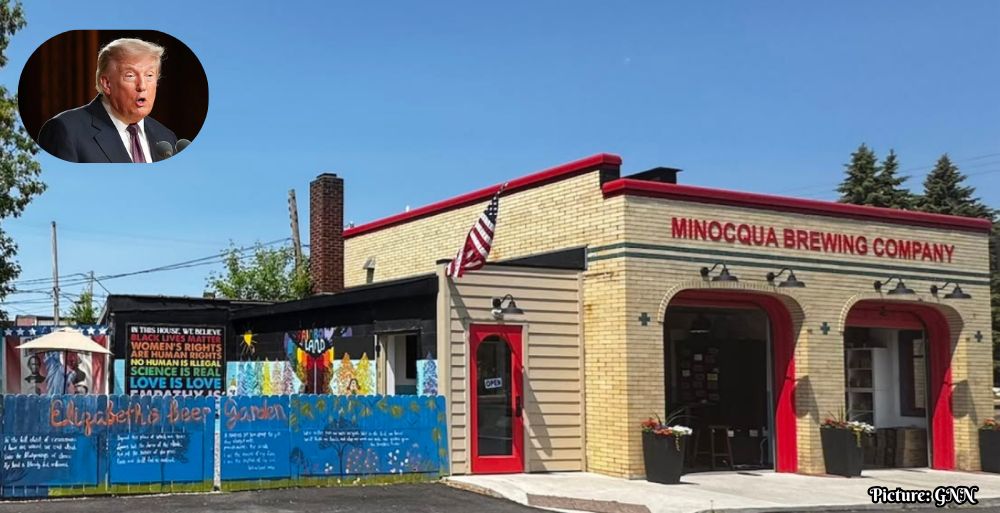
Minocqua Brewing Company, owned by progressive activist Kirk Bangstad, is slated to have its alcohol permit revoked on August 4, 2026, as confirmed by the Wisconsin Department of Revenue on July 29. This decision arises from a June raid in which state officials seized canned beer from the brewery, alleging that it was transported from Illinois to Wisconsin without the requisite permits and taxes, as reported by the Milwaukee Journal Sentinel.
The Wisconsin Division of Alcohol Beverages emphasized its commitment to enforcing alcohol regulations uniformly, stating, “The division is required to follow and implement state law, including ensuring permit holders and licensees follow all applicable laws and regulations.” This underscores the gravity of the situation for Minocqua Brewing, which has positioned itself as a notable player in Wisconsin’s craft beer market.
Owner’s Reaction and Legal Preparations
Bangstad, who has branded his establishment as “the state’s most progressive brewery,” has publicly condemned the state’s decision. In a newsletter addressed to his supporters, he expressed his resolve to challenge the permit revocation, declaring, “We’re going to fight the state of Wisconsin tooth and nail, and once again, they’ll have to pry me out of my taprooms before I stop selling beer to thirsty progressives who come to visit us.” He is actively soliciting contributions for a legal defense fund to support his battle against the state’s ruling.
Describing the permit revocation as “heavy-handed,” Bangstad’s legal strategy appears to focus on contesting the enforcement actions taken by state regulators, reflecting a broader history of tension between his brewery and state authorities. Such disputes over regulatory compliance are not uncommon in the brewing industry, particularly for businesses that engage in political discourse.
FBI Scrutiny and Its Aftermath
The controversy surrounding Minocqua Brewing Company gained further complexity following an FBI interview with Bangstad regarding a social media post that referenced an alleged assassination attempt against former President Trump. This incident occurred shortly after the White House Correspondents’ Dinner on April 25, 2026, when Cole Allen allegedly attempted to breach a security checkpoint and discharged a shotgun near the venue where Trump and members of his Cabinet were gathered.
In a Facebook post from the brewery’s account, Bangstad remarked, “Well, we almost got #freebeerday. Either a brother or sister in the Resistance needs to work on their marksmanship or he faked another assassination to get a positive news cycle.” This comment has drawn scrutiny and led to Bangstad being questioned by FBI agents about whether he or anyone associated with him intended harm against Trump or Vice President JD Vance, as well as whether they supported any groups advocating violence. Both Bangstad and his attorney denied any intentions of harm during their interviews.
Political Activism Intersecting with Business
Bangstad’s history of merging political activism with his brewery operations has frequently placed him in the spotlight. He often utilizes his business platform to voice criticisms against Trump and other Republican figures, making the permit dispute a continuation of his broader narrative of regulatory challenges. His outspoken political stance has attracted media attention and galvanized a base of supporters who resonate with his progressive views.
The upcoming August 4 deadline for the permit revocation amplifies the urgency of Bangstad’s legal strategy. As he prepares to contest the state’s decision in court, the implications of this case extend beyond the immediate fate of Minocqua Brewing Company. This situation illustrates the complex interplay between business operations, regulatory compliance, and political expression in an increasingly polarized environment.
Moreover, the outcome of this case could set a significant precedent for how similar disputes are handled in Wisconsin. It raises critical questions about the balance between state regulations and the rights of individuals, particularly those who engage in political expression through their businesses. As the situation unfolds, it could influence the regulatory landscape for businesses owned by politically active individuals, potentially affecting how state authorities interact with such entities in the future.
In a broader context, cases like Bangstad’s highlight the ongoing tensions in American society regarding free speech and political discourse within the business realm. With the craft brewing industry continuing to grow, the Minocqua Brewing Company saga may serve as a pivotal moment in defining the relationship between regulatory measures and individual rights in the context of American entrepreneurship.