European nations and small island states are intensifying their demands for decisive action on climate change at the ongoing UN climate conference in Antalya, Turkey.
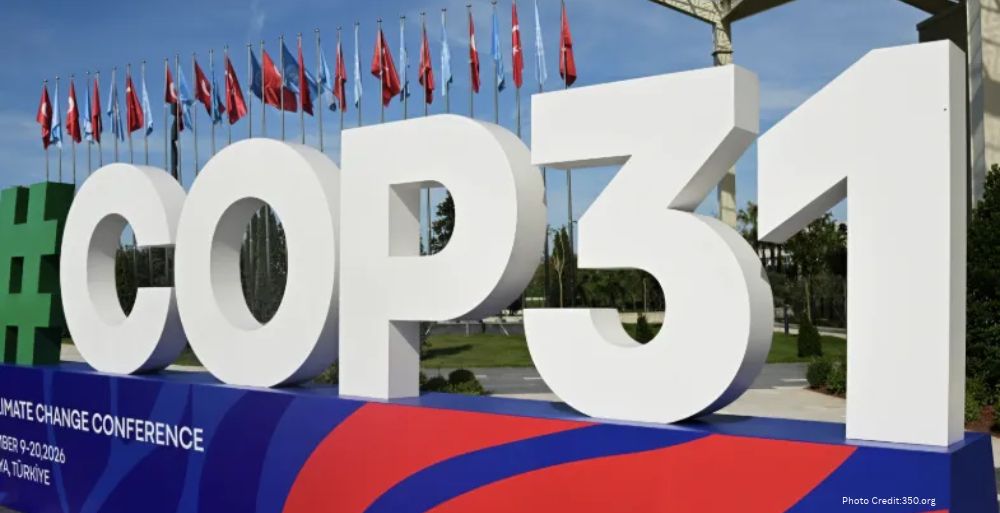
Antalya, Turkey – The 31st United Nations Climate Change Conference (COP31), which commenced on November 9, is facing escalating pressure from European nations and small island states that are particularly vulnerable to the devastating impacts of climate change. As the conference progresses, it has entered a critical phase characterized by extended negotiations, underscoring the urgency to resolve outstanding issues that could determine the trajectory of global climate policy.
On Saturday, a coalition comprising representatives from the European Union (EU) and small island nations—many of which are confronting existential threats from rising sea levels and climate-related disasters—delivered a unified set of demands to the negotiating leadership. Central to their message is the insistence on maintaining the 1.5-degree Celsius temperature limit established by the Paris Agreement. This coalition emphasized that, if this threshold is surpassed, immediate and robust measures must be implemented to reverse the trend and restore temperatures below this critical limit.
Growing Frustration Among Vulnerable Nations
Maina Talia, the climate minister of Tuvalu, articulated palpable frustration regarding the slow progress at COP31. Surrounded by journalists, Talia expressed a sentiment echoed by many representatives from vulnerable nations: the increasing discontent, mistrust, and frustration among civil society and countries most affected by climate change. “Every year, it seems like we are facing greater challenges, and the most vulnerable nations are often the least responsible for the crisis,” he stated, drawing attention to the inequities in climate responsibilities.
Tuvalu, like many Pacific island nations, is acutely aware of the dangers posed by climate change, with rising sea levels threatening to submerge its land. The emotional weight of Talia’s comments reflects a broader narrative of vulnerability, with many small island states advocating for urgent action to address the climate emergency that disproportionately affects them.
Debates Over Fossil Fuel Commitments
One of the most contentious points of negotiation at COP31 revolves around the future of fossil fuels—specifically coal, oil, and gas—which are widely recognized as the primary drivers of the climate crisis. Delegates are currently embroiled in discussions on how to reaffirm the commitments made at the previous climate conference in Dubai, particularly concerning the transition away from fossil fuels.
Oil-producing nations, including Saudi Arabia, have been observed advocating for more lenient language regarding fossil fuel phase-outs. According to observers, these nations are pushing for a greater emphasis on technologies such as carbon capture and storage (CCS). While CCS is increasingly viewed as a vital component for mitigating climate change, it remains complex and costly. Critics argue that relying on such technology may serve as a convenient excuse for continued greenhouse gas emissions, thereby undermining urgent calls for a swift transition to renewable energy sources.
The tension between the need for immediate action to reduce fossil fuel dependency and the emphasis on technological solutions highlights the complexities of reaching consensus among a diverse range of nations, each with its own economic and environmental priorities.
Implications of Climate Negotiations
The current summit, which has brought together nearly 200 countries, scientists, business leaders, and civil society groups, is pivotal in defining pathways for global climate action. The urgency for substantial outcomes has been heightened by a European summer marked by record heat and devastating natural disasters, reinforcing the immediate need for effective climate policies.
As the conference extends into the weekend, unresolved issues are becoming increasingly pressing. Key among these are the establishment of new targets for accelerated electrification and the equitable distribution of promised financial aid to developing countries that urgently require support. Historically, climate conferences have often extended beyond their scheduled timelines, highlighting the complexity and contentious nature of these negotiations.
Looking Ahead: The Path to COP31 Outcomes
The stakes at COP31 are extraordinarily high, as the outcomes of these negotiations will have profound implications for global climate policy and international cooperation. The coalition of European nations and island states is advocating not only for their own interests but also for a robust and equitable global response to a crisis that affects all nations, albeit in uneven ways.
As discussions at COP31 unfold, the pressure is mounting for negotiators to reach agreements that not only reaffirm existing commitments but also establish ambitious new targets. The historic nature of these negotiations cannot be overstated, as they will shape the response to climate change for generations to come. The future of vulnerable nations hangs in the balance, and their voices, amplified by their European allies, resonate through the halls of COP31, calling for action that reflects the urgency of their plight.
In conclusion, the ongoing negotiations at COP31 serve as a crucial juncture in the global fight against climate change. With the pressing realities of climate impacts evident across the globe, the demands for meaningful commitments and actions are more critical than ever. The eyes of the world are on Antalya, as nations grapple with the challenge of fostering an inclusive and effective response to one of the most pressing issues of our time.