
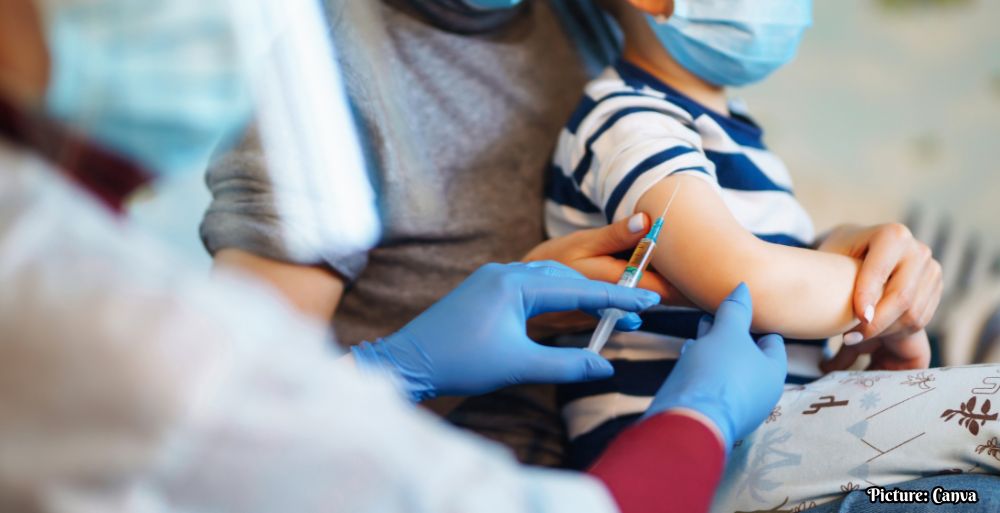
A collaborative team has unveiled a groundbreaking cancer vaccine platform that utilizes the immune memory generated from COVID-19 to enhance the body’s ability to fight cancer, potentially transforming immunotherapy approaches.
CLEVELAND — In a significant advancement that could reshape the landscape of cancer immunotherapy, scientists from Celloram Inc., University Hospitals, and Case Western Reserve University have introduced a new cancer vaccine platform called PROTEXI. This innovative approach seeks to convert the extensive immune memory developed during the COVID-19 pandemic into a formidable asset in the fight against cancer. The findings were published today in the journal Nature Communications.
Overview of PROTEXI
The PROTEXI platform stands out by harnessing pre-existing antiviral immune memory to enhance the body’s natural ability to recognize and eradicate tumors. Traditional cancer vaccines have often struggled to elicit strong and durable immune responses, particularly in tumors that are classified as “immune-cold,” meaning they evade immune detection and resist existing treatments. PROTEXI aims to address these challenges.
The vaccine achieves this by pairing tumor-specific antigens with helper signals derived from SARS-CoV-2 Spike protein epitopes—fragments of the virus recognized by immune systems of individuals previously infected or vaccinated against COVID-19. In preclinical studies involving melanoma and breast cancer, PROTEXI demonstrated the ability to slow tumor growth, improve survival rates, and convert immune-cold tumors into targets that can be effectively attacked by the immune system.
Preclinical Success
Notably, the vaccine not only bolstered the body’s existing cancer-fighting mechanisms but also generated long-lasting immune memory that could help prevent cancer recurrence. Its efficacy was further corroborated in humanized mouse models using immune cells sourced from COVID-19 vaccinated individuals. The study highlighted that PROTEXI leverages pre-existing CD4⁺ helper T-cell immunity to amplify tumor-specific CD8⁺ cytotoxic T-cell responses, marking a significant advancement over conventional dendritic cell vaccines.
Expert Insights
“Rather than inventing a completely new immune response, we are enhancing the ability of the immune system to recognize cancer by leveraging anti-viral memories it already has,” said Dr. Tej Pareek, Chief Executive Officer of Celloram Inc. He emphasized that this innovative perspective could potentially overcome longstanding limitations in the development of cancer vaccines.
Dr. Seunghwan Lim, the corresponding author and Vice President of Research and Operations at Celloram Inc., noted that the preclinical data surpassed their expectations, revealing that PROTEXI not only improved immune responses against tumors but also altered the tumor microenvironment to favor immune attack. “We believe this strategy has the potential to redefine how future cancer vaccines are designed,” he stated.
Collaboration and Future Directions
The collaborative effort among Celloram, University Hospitals, and Case Western Reserve University has been pivotal in advancing PROTEXI. Dr. John Letterio, a senior corresponding author and Director of the Angie Fowler Adolescent and Young Adult Cancer Institute at University Hospitals, highlighted that for decades, researchers have acknowledged the crucial role of helper T cells in fostering durable antitumor immunity, but finding clinically useful helper signals has been a significant hurdle. PROTEXI’s ability to redirect robust antiviral immune memory towards tumor eradication offers a promising solution.
As the team prepares to move forward, they are actively advancing PROTEXI toward first-in-human clinical trials for patients with sarcoma, a type of cancer where innovative immunotherapeutic approaches are urgently needed. The planned study will assess the safety, feasibility, and immunologic activity of this personalized dendritic cell vaccine approach. This step is considered crucial for translating laboratory discoveries into effective treatments for patients facing cancers with limited options.
Implications for Cancer Treatment
Dr. Seong-Jin Kim, Co-Founder of Celloram and Chairman of MedPacto Inc., noted the significance of leveraging the human population’s existing antiviral immune memory. “What is particularly elegant about PROTEXI is that it utilizes one of the most powerful biological resources already present within people,” he explained. The approach is seen as both innovative and pragmatic, potentially allowing for a more robust, coordinated, and durable antitumor immune response across various cancer types and in combination with existing immunotherapies.
The publication of these findings in Nature Communications serves as a crucial milestone for Celloram and represents only the beginning of what could become a transformative chapter in precision cancer immunotherapy.
Conclusion
In conclusion, the PROTEXI platform not only offers hope for patients suffering from sarcoma but also presents a broader potential for treating various immune-cold and therapy-resistant cancers that currently evade traditional treatments. As researchers embark on clinical trials, the scientific community remains optimistic that this innovative approach could enhance the effectiveness of cancer vaccines and ultimately improve patient outcomes.
The study was supported by the Case Comprehensive Cancer Center, funded by the National Cancer Institute of the National Institutes of Health.