
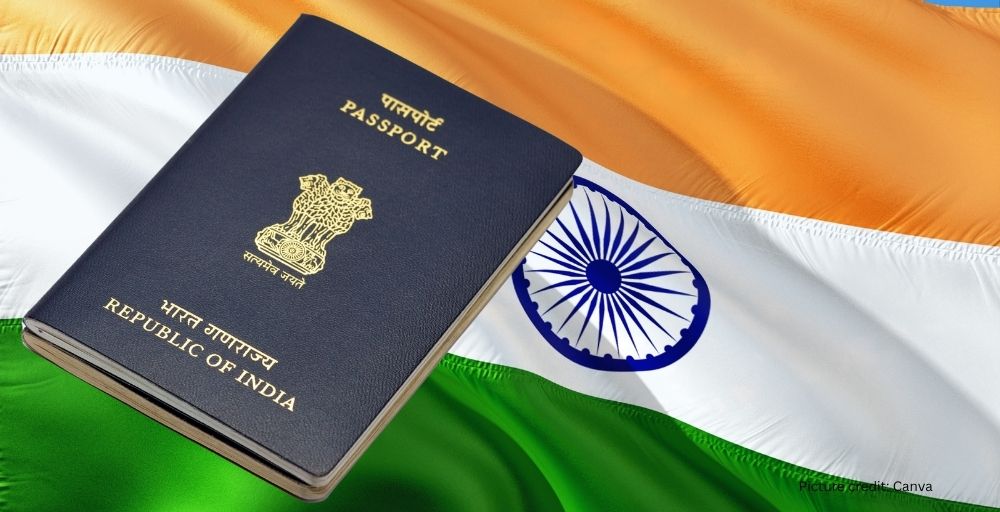
The Ministry of Home Affairs has implemented the Citizenship (Amendment) Rules, 2026, establishing a fully digital framework for Overseas Citizenship of India (OCI), while tightening regulations on dual passports for minors.
The Union Home Ministry of India announced on Thursday, May 1, 2026, the introduction of the Citizenship (Amendment) Rules, 2026, which aim to modernize the processes surrounding Overseas Citizenship of India (OCI) status. The amendments are designed to streamline procedures, reduce paperwork, and bring clarity to the processes of registration, renunciation, and cancellation of OCI status, reflecting a significant shift towards digital governance.
Transition to a Digital OCI Framework
Among the most notable changes is the establishment of electronic Overseas Citizen of India (e-OCI) cards. The new regulations require that all applications for OCI registration be submitted online through a designated portal, eliminating the need for physical submissions and redundant paperwork that characterized previous processes. An official from the Ministry of Home Affairs stated, “The rules introduce a fully digital OCI framework, mandating online applications, electronic records, and acknowledgments, while phasing out duplicative physical processes.” This shift is expected to enhance efficiency and accessibility for applicants, particularly those residing outside India.
The issuance of electronic cards alongside traditional physical cards marks a pivotal transformation toward a paperless identity management system for Indians living abroad. Furthermore, the new rules mandate that applicants consent to share biometric data, which will facilitate future integration with fast-track immigration programs, potentially allowing for automatic enrollment in these systems. This move aligns with global trends towards biometric identification and automated immigration processes.
Stricter Regulations on Dual Passports for Minors
A significant aspect of the new rules is the prohibition against minors holding dual citizenship. Specifically, the amendments stipulate that minors who hold Indian passports cannot simultaneously possess passports from other countries. This update, which is encapsulated in a new proviso to rule 3, addresses widespread concerns regarding the misuse of dual citizenship. The notification explicitly states, “Provided that the applicant in such cases shall note that the minor child cannot at any time hold the passport of any other country while also holding the Indian passport.” This regulation underscores the government’s commitment to controlling dual citizenship practices, which can complicate legal and diplomatic matters.
Streamlining OCI Processes for Efficiency
The amendments also refine the processes for renunciation and cancellation of OCI status, enhancing clarity and efficiency. Applications for both renunciation and cancellation must now be submitted electronically, using designated forms to streamline the process. For instance, the renunciation process, as outlined in Rule 34, and the cancellation process detailed in Rule 35, now require electronic submission. Non-compliance with these new procedures may result in OCI cards being deemed invalid.
Moreover, the amendments establish a centralized electronic registry of OCI holders, which will bolster the management of OCI statuses and provide structured pathways for appeals regarding cancellations and renunciations. The Ministry of Home Affairs emphasized that these changes aim to enhance the integrity of the OCI program while making it more user-friendly for applicants.
Broader Implications of the Citizenship (Amendment) Rules
The introduction of the Citizenship (Amendment) Rules, 2026, signifies a substantial evolution in India’s approach to managing overseas citizenship and related processes. By digitizing the OCI framework, the government aims to improve the overall efficiency of the system and alleviate the administrative burden on applicants. As global governance increasingly leans towards digital solutions, these reforms are in line with broader international trends in citizenship management.
Moreover, the requirement to collect biometric data could facilitate advancements in immigration procedures, potentially enabling smoother transitions for OCI holders traveling to India. Such innovations reflect the government’s responsiveness to the changing needs of the Indian diaspora, which plays a crucial role in India’s international engagement strategy.
Monitoring the Implementation of New Rules
While the Citizenship (Amendment) Rules, 2026 are poised to streamline existing processes and address concerns regarding dual citizenship, the implications of these changes will warrant close scrutiny as they are implemented. Stakeholders, including overseas Indians and policymakers, will be closely observing how these regulations affect the dynamics between Indians living abroad and their home country. The effectiveness of these amendments in achieving their intended goals will ultimately depend on how they are operationalized and the extent to which they resonate with the needs and expectations of the Indian diaspora.
As the government moves forward with these reforms, it remains essential to balance regulatory rigor with the facilitation of overseas Indian citizens’ rights and identities. The successful integration of the digital OCI framework will not only enhance administrative efficiency but also strengthen the bond between India and its global citizenry.