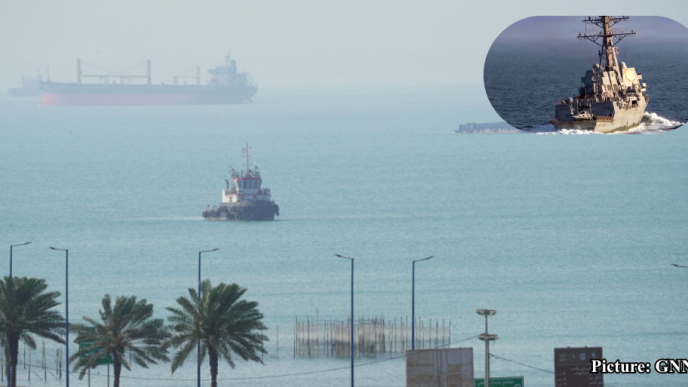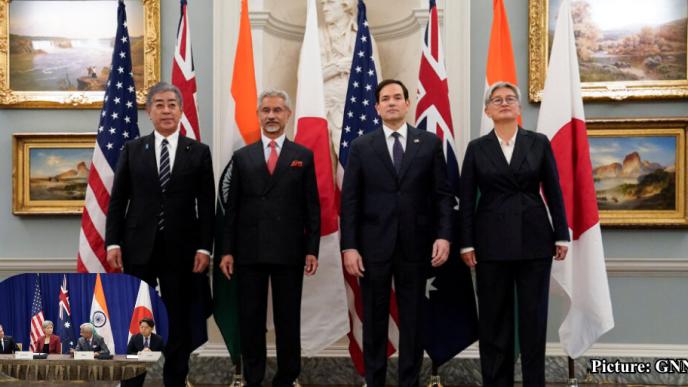
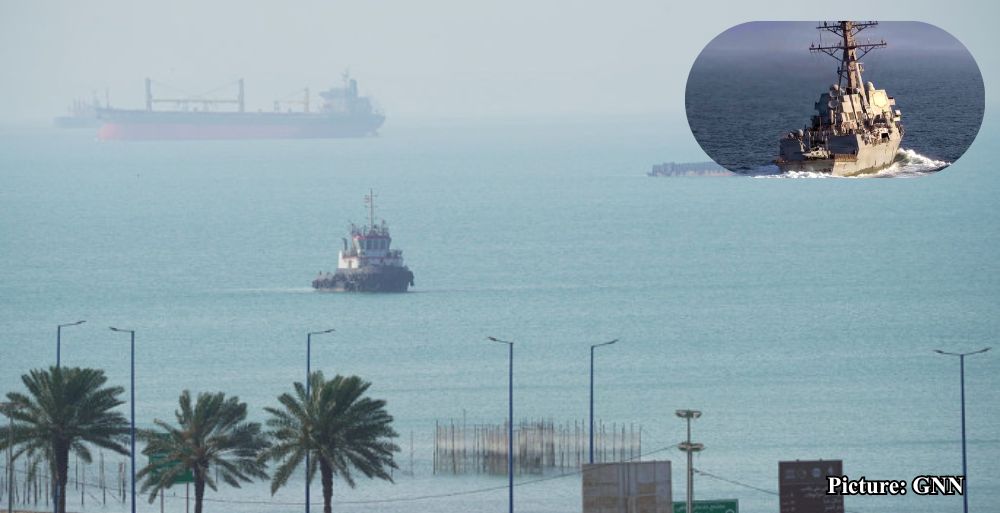
Iran has effectively obstructed U.S. warships from entering the strategically significant Strait of Hormuz, according to recent reports from the U.S. Navy, amplifying existing tensions in a vital maritime corridor critical for global oil shipments.
The U.S. Navy reported on Tuesday that Iranian naval forces have taken significant actions to block the entry of American warships into the Strait of Hormuz, a crucial maritime route through which approximately 20% of the world’s oil supply is transported. This development is part of a larger pattern of escalating tensions between the United States and Iran, particularly concerning maritime security in the Persian Gulf.
Strategic Importance of the Strait
The Strait of Hormuz is one of the world’s most critical chokepoints for oil transportation, linking the Persian Gulf with the Gulf of Oman and the Arabian Sea. This waterway is vital not only for energy exports from major oil-producing nations like Saudi Arabia and Iraq, but also for global energy security. Historical records indicate that in 2018 alone, roughly 21 million barrels of oil per day passed through the strait, underscoring its importance in international trade and energy markets.
Recent Developments
The U.S. Navy’s announcement coincides with a series of incidents where Iranian naval forces have increasingly challenged the presence of U.S. vessels in the region. Reports have surfaced of Iranian ships engaging in aggressive maneuvers against commercial vessels and conducting military drills in close proximity to the strait. These actions have raised alarms about the potential for misunderstandings or confrontations that could escalate into broader military conflicts.
U.S. officials have reiterated the importance of ensuring freedom of navigation in international waters, with a navy spokesperson declaring, “The United States remains committed to ensuring the safety of maritime operations in the region. We will continue to work with our allies and partners to counter Iranian aggression and uphold international law in these waters.” This statement reflects ongoing U.S. policy aimed at deterring Iranian military posturing in the region.
Iran’s Stance
In response, Iranian officials have asserted their sovereign rights over the Strait of Hormuz, claiming the authority to control access to their territorial waters. Iranian military leaders have warned that they will respond decisively to any perceived threats to national security, including military maneuvers by U.S. forces. An Iranian naval commander recently stated, “We will not allow any foreign military presence that threatens our security in the region,” emphasizing Tehran’s readiness to assert its interests in the face of U.S. naval operations.
Historical Context
The tensions between the U.S. and Iran have deep historical roots, stemming from a complex interplay of political, military, and economic disputes. Since the 1979 Iranian Revolution, relations have been marked by hostility, with notable incidents including the U.S. Embassy hostage crisis and numerous military confrontations in the Persian Gulf. The situation has further deteriorated since the U.S. withdrawal from the Iran nuclear deal in 2018, which resulted in a series of escalating sanctions and military posturing from both nations.
As the U.S. aims to reassert its influence in the region, Iran’s recent actions in the Strait of Hormuz could signify a strategic shift in its maritime policies, indicating a more aggressive stance against perceived U.S. dominance in the Persian Gulf. Analysts suggest that Iran’s blockade of U.S. warships might also be a response to increased U.S. military presence in the region and ongoing sanctions that have severely impacted the Iranian economy.
Implications for Global Energy Markets
The Strait of Hormuz’s significance extends beyond military strategy to global economic ramifications. Any prolonged disruption in this critical maritime corridor could lead to substantial increases in oil prices and volatility in energy markets worldwide. Market analysts are closely monitoring the situation, with concerns that heightened tensions may result in supply chain interruptions or escalated shipping costs for oil transporters. Historical trends indicate that previous conflicts in the region have led to immediate spikes in oil prices, affecting economies far beyond the Gulf.
In conclusion, the U.S. Navy’s report of Iran’s successful obstruction of warships from accessing the Strait of Hormuz underscores the ongoing geopolitical tensions in the region. As both countries navigate this complex environment, the implications for regional stability and global energy security are fraught with uncertainty. The situation demands vigilant observation as it unfolds, with potential consequences that could resonate across international markets and geopolitical landscapes.