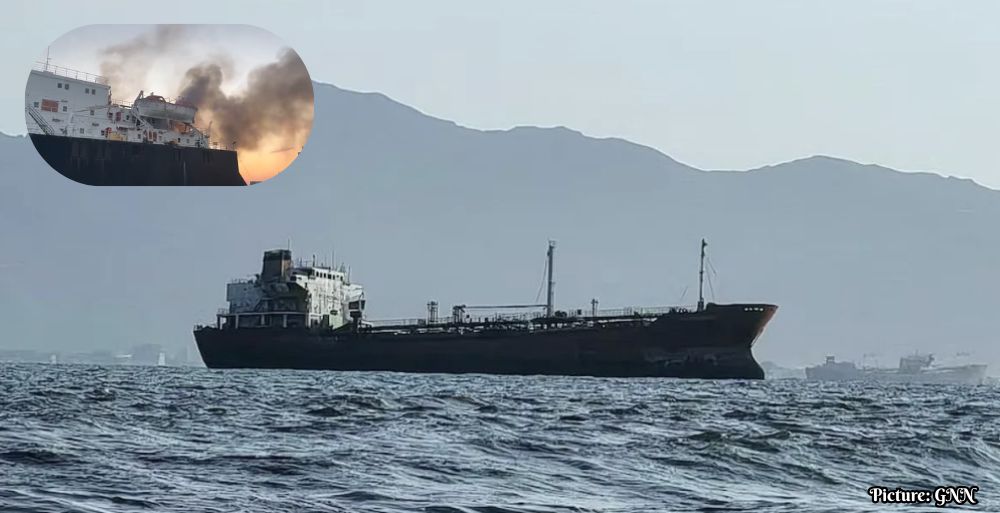
An Indian-flagged merchant vessel, MSV Faize Noore Oliya, was attacked off the coast of Yemen on August 4, 2026, raising alarms about maritime security in a region plagued by conflict.
An Indian-flagged merchant vessel, known as MSV Faize Noore Oliya, was attacked in the Red Sea near the coast of Yemen on Tuesday, August 4, 2026. The incident occurred against a backdrop of increasing maritime insecurity in the region, which has been exacerbated by ongoing conflict and the activities of various militant groups. The Ministry of External Affairs (MEA) of India confirmed that all 13 crew members aboard the vessel were rescued and are safe.
In its official statement, the MEA condemned the attack, stating, “We condemn the attack on the Indian-flagged commercial vessel, MSV Faize Noore Oliya that sank in the Red Sea, off the coast of Yemen on August 4.” The MEA emphasized the need for an immediate cessation of attacks on commercial shipping in the region, articulating that such actions threaten the safety of international maritime trade.
Details of the Incident and Rescue Operations
The MEA reported that the Indian nationals aboard the MSV Faize Noore Oliya were successfully rescued with the cooperation of Yemeni authorities, showcasing a collaborative effort that highlights the importance of international maritime partnerships in crisis situations. The statement revealed, “Our Embassy in Riyadh is closely monitoring the situation and proactively coordinating with the Yemeni authorities for the safety and security of the crew,” reflecting India’s commitment to ensuring the welfare of its nationals abroad.
India’s gratitude towards Yemeni authorities for their support during the rescue operation underscores the significance of diplomatic relations in addressing security challenges. The swift action taken to secure the crew’s safety stands in contrast to the often precarious nature of maritime operations in this conflict-ridden region.
Historical Context of Maritime Security in the Red Sea
The Red Sea has long been a strategic maritime corridor, essential for global trade routes. However, its waters have become increasingly treacherous due to the ongoing civil war in Yemen, which has drawn in regional powers and non-state actors. The situation has led to a surge in attacks on commercial shipping, raising concerns among international maritime organizations. According to reports, there has been a noted increase in piracy and armed assaults on vessels operating in this vital waterway over the past few years.
In light of this backdrop, the MEA’s statement highlighted the urgent need for restoring secure navigation in accordance with international law. The ministry remarked, “The continuing incidents of attacks on commercial shipping in the region are deeply worrisome,” calling for immediate international action to ensure maritime safety. The MEA stressed that, “The targeting of commercial shipping in the region must end, and free and unimpeded navigation and commerce through the international waterways in the region, in keeping with international law, must be restored at the earliest.”
Implications for Indian Shipping Interests and Regional Stability
This incident not only raises immediate concerns regarding the safety of Indian nationals engaged in maritime operations but also reflects broader implications for India’s shipping interests in a volatile geopolitical landscape. The MEA’s strong condemnation of the attack signals the Indian government’s commitment to protecting its citizens and commercial interests worldwide.
The attack on MSV Faize Noore Oliya prompts critical questions regarding the effectiveness of existing maritime security measures in the Red Sea, particularly in light of the increasing frequency of such incidents. Stakeholders in the region, including shipping companies and maritime authorities, may need to reevaluate their security protocols and engage in diplomatic dialogues aimed at stabilizing the maritime environment.
Additionally, the rise in maritime violence necessitates greater international cooperation to address the underlying causes of insecurity in the region. With the potential for threats to escalate, there may be a need for collaborative security frameworks involving multiple nations to safeguard commercial shipping lanes. As global trade continues to rely heavily on these routes, the stability of the Red Sea is of paramount importance.
Looking Ahead: Ongoing Monitoring and Diplomatic Engagement
As the situation develops, the Indian government is expected to maintain close communication with international maritime authorities and regional partners to address the ongoing threats posed by hostile actions in the Red Sea. The MEA’s proactive approach in coordinating with Yemeni authorities demonstrates a commitment to ensuring the safety of its maritime interests and nationals.
In conclusion, the attack on the MSV Faize Noore Oliya serves as a stark reminder of the vulnerabilities faced by commercial shipping in regions impacted by conflict. The ongoing efforts to restore security and ensure safe passage for vessels in the Red Sea will require sustained diplomatic engagement and cooperative strategies among nations to mitigate risks and enhance maritime safety for all.