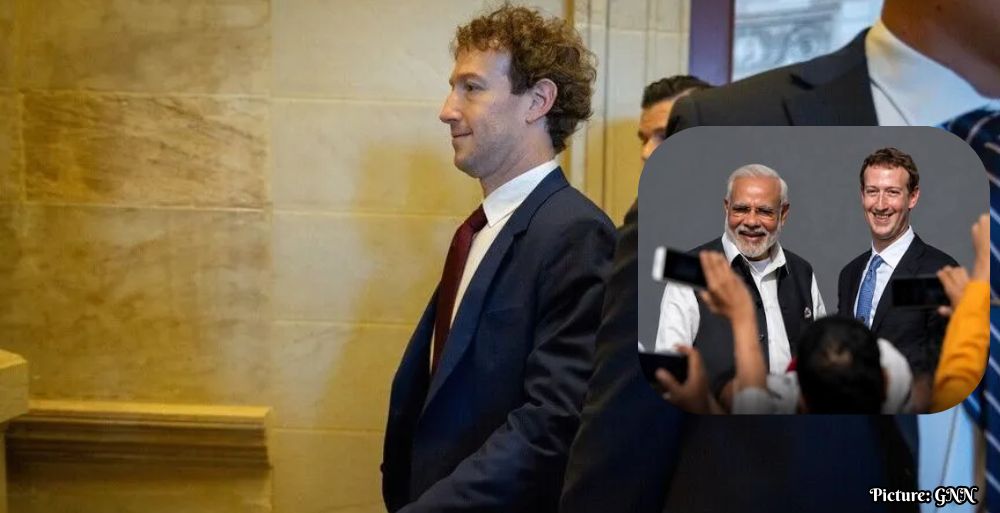
Meta CEO Mark Zuckerberg has issued an apology to Indian authorities regarding the dissemination of child sexual abuse material and deepfake content on the company’s platforms, acknowledging operational shortcomings that may affect the company’s legal standing in the country.
New Delhi, Aug 5 – Mark Zuckerberg, the CEO of Meta, formally apologized on Wednesday for the proliferation of child sexual abuse material (CSAM) and deepfake content on the company’s platforms. This apology comes amidst rising concerns from the Indian government regarding the management of objectionable and manipulated content across social media.
According to sources within the government, Zuckerberg recognized the issues raised by Indian officials, expressing regret over operational errors that have led to the spread of harmful content. “Mark Zuckerberg sent his apologies for the CSAM content, deepfake content, and errors in operating the platform,” government sources reported.
Legal Implications of Content Management
Government officials have reportedly communicated to Meta that its practices concerning content selection and distribution could potentially disqualify it from being classified as a neutral intermediary under Indian law. This classification is critical as it allows platforms to benefit from “safe harbour” protections under the Information Technology Act, which limits liability for content shared by users.
Authorities emphasized that because Meta actively curates and promotes specific content, it may not be eligible for these protections. “It was made clear to them that they are not covered under Intermediary definition. They select who receives the content. Safe harbour under IT Act not applicable,” sources stated. They further noted that Meta acknowledged financial investments in boosting certain types of content, indicating a proactive role in content management.
Response to Government Demands
In addition to the apology regarding CSAM and deepfakes, Zuckerberg’s interaction with Indian officials was also influenced by a recent incident involving the removal of a post by Prime Minister Narendra Modi. Earlier on the same day, sources from the Ministry of Electronics and Information Technology indicated that social media companies, including Meta, are required to comply with the laws of India. They highlighted the necessity for Zuckerberg to issue an “unqualified apology” within three days concerning the brief removal of the Prime Minister’s Facebook post.
The Ministry’s stance suggests that failure to comply with this demand could lead to Meta losing its safe harbour protections in India, significantly impacting its operations in a market that is pivotal for the company’s growth strategy. “Meta stands to lose its ‘safe harbour protection’ in India if it fails to do so in the stipulated deadline,” the IT Ministry sources added.
Ongoing Engagement with Indian Officials
A high-level delegation from Meta met with IT Secretary S. Krishnan in New Delhi to address the erroneous takedown of the Prime Minister’s video. This meeting was part of a broader engagement strategy as the company seeks to navigate the complex regulatory environment in India. The delegation was also scheduled to meet with Electronics and IT Minister Ashwini Vaishnaw to further discuss the company’s operations and compliance with local laws.
The Indian government’s scrutiny of Meta’s content management practices reflects broader global concerns about the responsibility of social media platforms in regulating harmful content. As countries tighten regulations around online content, companies like Meta face increasing pressure to ensure compliance with local laws while managing their global platforms.
Meta’s current challenges in India are part of a larger narrative concerning the balance between user-generated content and the accountability of platforms in moderating that content. The outcomes of these discussions are likely to influence not only Meta’s operations in India but also how the company approaches similar regulatory challenges in other jurisdictions.
Historical Context and Broader Implications
Meta, formerly known as Facebook, has faced criticism globally over its handling of misinformation and harmful content. In India, a country with over 400 million Facebook users, the stakes are particularly high. The government’s concerns about the dissemination of CSAM and deepfake content are not isolated incidents but part of a broader narrative regarding the role of social media in society.
India’s Information Technology Act, enacted in 2000, provides legal protections for internet intermediaries, a status that has enabled platforms to operate with relative freedom. However, as social media’s influence expands, the Indian government has indicated a willingness to tighten regulations to ensure that these platforms take greater responsibility for the content shared on their services. This shift reflects a growing recognition of the potential harms posed by digital misinformation and exploitation.
In the past few years, the Indian government has increased its scrutiny of tech companies, exemplified by a series of legal and regulatory measures aimed at addressing issues related to data privacy, cybersecurity, and content moderation. The current situation with Meta serves as a reminder of the challenges that social media companies face as they navigate a complex legislative landscape while seeking to maintain user trust.
The implications of this incident extend beyond Meta’s operational strategies in India. The company’s ability to cope with regulatory pressures in one of its largest markets may set a precedent for its dealings with other countries facing similar challenges. As governments worldwide contemplate new legislation aimed at controlling online content, Meta and its peers may need to adapt their business models to comply with stricter regulations or risk facing significant legal consequences.
As Meta engages with Indian authorities, the company’s future in this market may hinge on its responsiveness to government demands and its capacity to implement effective measures for content moderation. The ongoing dialogue between Meta and Indian officials will likely shape the framework for social media regulation in India moving forward.
As the situation develops, it remains to be seen how effectively Meta can address these concerns and what measures will be implemented to ensure compliance with Indian laws, particularly in the face of intense scrutiny from both the government and the public.