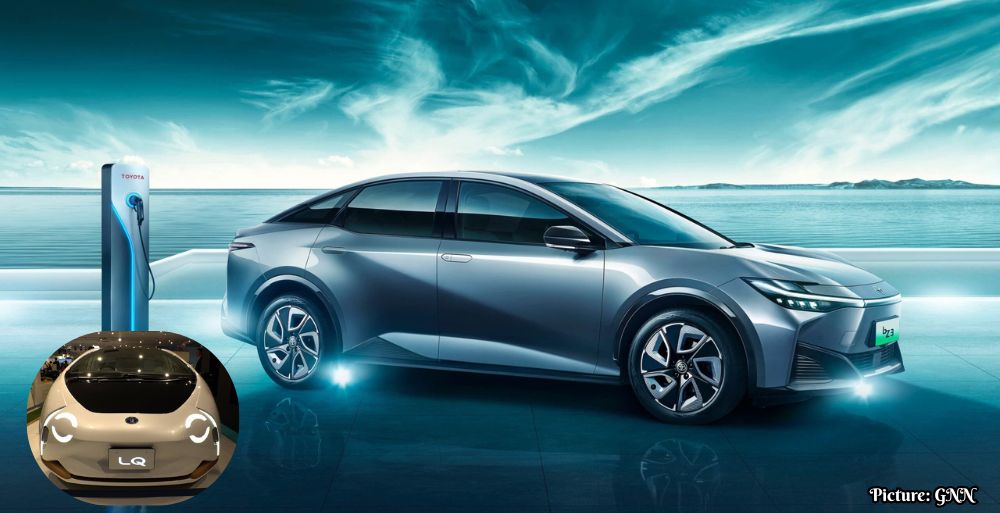
In a bid to revolutionize the electric vehicle market, Toyota is developing a solid-state battery capable of achieving a range of 745 miles on a single charge, aiming to address range anxiety and enhance the viability of electric vehicles.
Toyota Motor Corporation has emerged as a prominent contender in the race to develop solid-state battery technology, announcing plans to introduce a groundbreaking battery with a range of 745 miles before the end of the decade. This initiative is part of the company’s broader strategy to redefine the electric vehicle (EV) landscape, particularly as the industry grapples with challenges related to range anxiety and the need for improved charging infrastructure.
The solid-state battery technology represents a significant shift in battery chemistry, moving away from traditional lithium-ion batteries, which currently dominate the market. While the EV industry continues to refine existing technologies, Toyota is banking on a more fundamental change that promises longer ranges, faster charging times, and enhanced longevity.
Understanding Solid-State Battery Technology
Experts believe solid-state batteries are poised to become the next major breakthrough in making electric vehicles a mainstream choice for consumers. Their advantages over lithium-ion batteries are notable; solid-state batteries utilize a solid electrolyte instead of the liquid electrolytes used in conventional batteries. This transition allows for higher energy density, resulting in longer ranges, quicker charging capabilities, and reduced safety risks associated with overheating and fires.
Currently, the highest EPA-estimated range for an electric vehicle in the United States is held by Lucid Motors, with the Air Grand Touring model achieving over 500 miles on a single charge. Toyota’s target of 745 miles represents a significant challenge, as it exceeds the current benchmarks by a considerable margin. Traditional lithium-ion batteries are hindered by limitations in energy density and safety concerns, and the transition to solid-state technology offers a potential solution.
Addressing Range Anxiety
Range anxiety remains a significant barrier to EV adoption in the United States, despite improvements in public charging infrastructure. Most electric vehicles currently offer an estimated range between 200 and 400 miles, which, while impressive, falls short of the capabilities of gasoline-powered vehicles. A solid-state battery with a 745-mile range could serve as a compelling incentive for consumers hesitant to transition from internal combustion engines.
The anticipated charging times for Toyota’s new solid-state battery are significantly shorter than those of current EV models. Once on the market, charging is expected to take only a matter of minutes, which would alleviate concerns regarding long wait times for recharging. This development not only enhances the practicality of electric vehicles but also makes them more appealing to potential buyers.
The Technical Advantages of Solid-State Batteries
Solid-state batteries offer several advantages compared to lithium-ion batteries, including:
- Higher Energy Density: Solid-state batteries can store more energy, leading to increased driving ranges.
- Improved Safety: The solid electrolyte reduces the risk of leaks and fires, making these batteries safer in collisions.
- Longer Lifespan: Toyota’s projected lifespan for its solid-state batteries is approximately 1,000 charging cycles, equating to around 500,000 miles before significant degradation occurs.
These features position solid-state batteries as a transformative technology not only for automobiles but also for various industries, including consumer electronics and battery-operated tools.
Challenges Ahead for Toyota
Despite the promising outlook for solid-state batteries, several challenges remain. High development costs and complex manufacturing processes have thus far hindered widespread adoption. Industry experts suggest that it may take over a decade before solid-state batteries can be produced at a cost-effective price point for the average consumer.
Initially, Toyota had set a target range of 900 miles for its solid-state battery, which has since been revised to the still-ambitious goal of 745 miles. While some may view this adjustment as a setback, it may represent a more pragmatic approach to battery development. A focus on achieving the 745-mile target could lead to a more affordable production model, ultimately benefiting consumers.
Government Support and Future Production Plans
The Japanese government, particularly the Ministry of Economy, Trade and Industry, has expressed support for Toyota’s efforts in solid-state battery development. This initiative aligns with Japan’s Supply Assurance Plan for Batteries, emphasizing the importance of domestic battery production and research. Toyota plans to scale production to nine gigawatt-hours per year starting in 2026, which will play a critical role in advancing this technology.
As the EV landscape evolves, Toyota’s commitment to solid-state battery technology could redefine consumer expectations and broaden the appeal of electric vehicles. By addressing key concerns such as range and charging efficiency, the company aims to position itself as a leader in the electrification of transportation.
While the path forward is filled with uncertainties, the potential impact of Toyota’s solid-state battery could reshape the future of electric vehicles and enhance their acceptance among a broader audience.