
US Vice President JD Vance addressed the complexities of negotiations with Iran regarding the Strait of Hormuz, acknowledging internal divisions within Iranian leadership as a significant challenge while expressing cautious optimism about a potential agreement.
In a recent interview with Fox News, US Vice President JD Vance discussed the ongoing negotiations between the United States and Iran concerning the Strait of Hormuz, a vital maritime route for global oil shipments. His comments come at a time when both nations seem to be moving closer to a potential agreement, amid mixed signals about the pace and nature of the talks.
Vance described the negotiations as “messy,” reflecting the intricate and often adversarial dynamics at play in US-Iran relations. This assessment aligns with Iran’s announcement that it is in the final stages of drafting an agreement with Oman regarding the Strait of Hormuz, a development that has drawn attention as President Donald Trump suggested a breakthrough could occur imminently.
Complex Negotiation Dynamics
During his interview, Vance expressed an understanding of American frustrations regarding the sluggish pace of negotiations. He noted, “Sometimes it requires one step forward, two steps back, then three steps forward and one step back,” highlighting the convoluted nature of diplomatic discussions with Iran. He emphasized that achieving a satisfactory resolution would take considerable time, stating, “It’s going to take some time.”
Vance characterized the Iranian leadership as consisting of “extraordinarily difficult people,” pointing to internal divisions as a significant obstacle in the negotiation process. He explained that while some Iranian officials may be inclined to seek a resolution to ongoing tensions, others, whom he referred to as “crazy radicals,” prefer to maintain the status quo of conflict. “Our job is to navigate through that and get the best outcome for the American people,” Vance remarked.
Despite these challenges, Vance expressed confidence that the administration would ultimately secure a favorable outcome. He predicted that oil prices would continue to decline and reiterated the US position that Iran would “never have a nuclear weapon,” a key issue that looms over discussions.
The Strategic Importance of the Strait of Hormuz
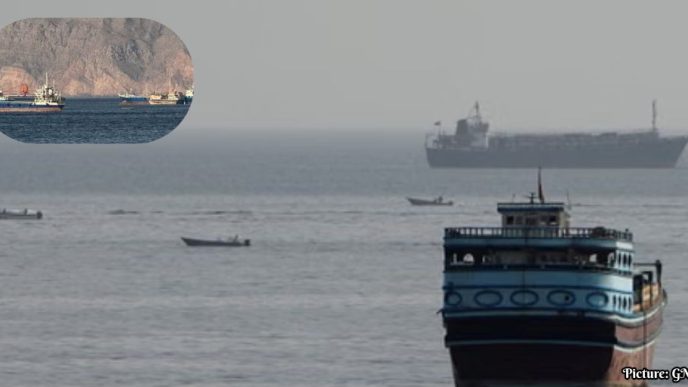
The Strait of Hormuz serves as a critical waterway for global commerce, with approximately one-fifth of the world’s traded oil passing through it. Any agreement to reopen the strait would hold significant implications not only for the US but also for countries like India, which heavily relies on crude oil imports from the Gulf region. The potential resumption of normal shipping traffic could stabilize global oil prices, which have been affected by ongoing tensions in the region.
Iran’s Foreign Ministry spokesperson, Esmail Baghaei, indicated that a joint statement regarding the Hormuz agreement could be forthcoming, provided that “certain parties do not obstruct this process,” implicitly referring to the US. This comment underscores the delicate nature of the talks, suggesting that external pressures could derail potential progress.
According to multiple regional sources, Iranian and Omani negotiators have reportedly finalized a draft deal to reopen the strait, pending final approval from Iran’s Supreme Leader Ayatollah Mojtaba Khamenei. This approval process is critical, as it reflects the complex power dynamics within Iran’s political landscape, where various factions may hold differing views on engagement with the US.
US and Iranian Positions on the Agreement
Reports indicate that the potential agreement may hinge on the US lifting its blockade on Iranian ports, a contentious point that has previously obstructed negotiations. The Trump administration has historically ruled out any deal that would solidify Iran’s control over the strait, complicating the path to agreement. Iran, for its part, has insisted on maintaining some level of authority over the waterway, further complicating the negotiations.
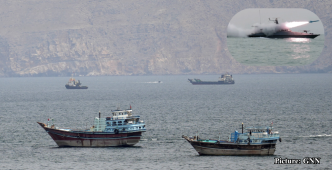
The current state of tensions has severely impacted shipping traffic through the Strait of Hormuz, with Iranian assertions of control leading to disruptions that have driven up global fuel prices and created economic uncertainties worldwide. The closure of this key maritime route has highlighted the strait’s significance not only for regional stability but also for global energy markets.
In response to inquiries about the potential for an imminent announcement regarding the agreement, President Trump remarked, “It could happen. Tomorrow or the next day. A lot of progress has been made.” His comments reflect an optimistic outlook about the ongoing negotiations and the potential for a diplomatic resolution.
Broader Implications for US-Iran Relations
The complexities surrounding the US-Iran negotiations over the Strait of Hormuz underscore the broader geopolitical tensions in the region. As both nations navigate these discussions, the implications for global oil markets and international relations remain significant. The outcome of these negotiations could reshape not only US-Iran relations but also the dynamics of global energy supply and regional stability.
In conclusion, while there are signs of progress in the negotiations, the path forward remains fraught with challenges. The intricate interplay of internal Iranian politics, external pressures from the US, and the overarching significance of the Strait of Hormuz in global trade will likely continue to influence the negotiation process. As both sides work towards a resolution, the stakes are high—not only for the immediate parties involved but for the international community at large.