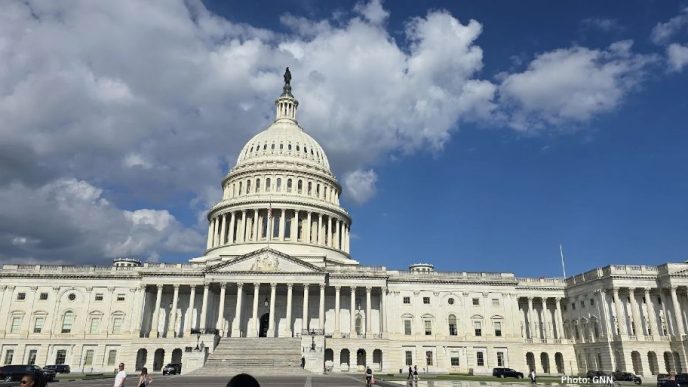




A historic wave of Democratic doctors, nurses, and public health officials is contesting high-profile seats in the 2026 midterm elections, driven by opposition to structural policy overhauls led by Health Secretary Robert F. Kennedy Jr. and the Trump administration. Spearheaded by candidates such as Dr. Abdul El-Sayed in Michigan, Dr. Amy Acton in Ohio, and Dr. Annie Andrews in South Carolina, the surge reflects a political mobilization among healthcare workers stepping out of clinical practice to influence federal and state health policy. As public sentiment heavily favors Democrats on healthcare and cost-of-living issues, non-incumbent medical professionals are leveraging their clinical backgrounds to challenge Republican opponents in crucial battleground contests.
A Political Mobilization Rooted in Clinical Practice
WASHINGTON — In what political strategists describe as an unprecedented professional migration from exam rooms to the campaign trail, dozens of Democratic medical professionals are on the ballot today for the United States Congress and top state executive offices. The coordinated surge of doctor and nurse candidates represents a direct political pushback against Health Secretary Robert F. Kennedy Jr. and the sweeping administrative changes enacted across federal health agencies by the Trump administration.
Driven by frustration over shifting public health directives, federal restrictions on reproductive healthcare, and the proliferation of unverified medical claims from executive leadership, healthcare practitioners are stepping into political arenas traditionally dominated by attorneys and career politicians.
Among the most prominent contests on Tuesday’s ballot are races featuring physician-candidates in key battlegrounds:
- Michigan U.S. Senate: Dr. Abdul El-Sayed, a physician, epidemiologist, and former Detroit health director, secured the Democratic nomination to challenge Republican nominee Mike Rogers for the open Senate seat.
- Ohio Gubernatorial: Dr. Amy Acton, a preventive medicine physician and former director of the Ohio Department of Health, is leading the Democratic ticket alongside running mate David Pepper in a high-stakes race against Republican nominee Vivek Ramaswamy.
- South Carolina U.S. Senate: Dr. Annie Andrews, a practicing pediatrician and gun violence prevention researcher, launched her Senate campaign with a broadcast advertisement focused squarely on pediatric health and child vaccination programs.
Historical Milestones and Congressional Representation Trends
The electoral stakes carry deep historic weight for congressional representation. Should either Dr. El-Sayed or Dr. Andrews prevail in their respective Senate contests, they would become the first Democratic physicians to serve in the U.S. Senate since 1969. Furthermore, a victory for Dr. Andrews would mark the first time a practicing Democratic M.D. has served in the upper chamber of Congress in nearly 90 years.
The sheer volume of healthcare workers entering electoral politics highlights a structural shift. In the current 2026 election cycle, the number of non-incumbent doctors and nurses seeking federal office almost matches the entire roster of medical professionals currently serving in Capitol Hill’s legislative halls. Across both chambers, 24 doctors and nurses hold elected office. On Tuesday’s ballot, seven non-incumbent physicians and 14 non-incumbent nurses are competing as Democratic nominees.
Democratic political strategists attribute this candidate pipeline to reaction against the administration’s “Make America Healthy Again” (MAHA) movement, championed by Secretary Kennedy. While the MAHA platform was initially framed around chronic disease prevention, critics within the medical community argue its implementation has eroded public trust in foundational scientific norms and standard immunization schedules.
Celinda Lake, a Democratic political strategist and president of Lake Research Partners, noted that the administration’s health policy trajectory functioned as an unintentional recruitment mechanism for clinicians who previously avoided electoral politics:
“What MAHA has been good for is recruiting them, because so many of them see what’s going on and feel like they have to speak up. Because a lot of medical professionals have no desire to enter into politics, and this is a fairly new field for them. And I think what MAHA did was help energize them to run.”
Strategic Advocacy and the “Trust Advantage” on Healthcare
Healthcare policy has emerged as a central pillar of the 2026 midterm elections, with national and state-level polling consistently showing that voters grant Democrats a significant trust advantage over Republicans on managing healthcare access, lowering prescription drug costs, and defending public health infrastructure.
Political action committees dedicated to increasing scientific expertise in government have funneled millions of dollars into backing clinician candidates. Groups like 314 Action have built targeted fundraising networks to support candidates with backgrounds in medicine, engineering, and biological sciences.
Shaughnessy Naughton, president of 314 Action, emphasized that state-level abortion restrictions and federal policy shifts under the Department of Health and Human Services (HHS) forced many physicians to conclude that advocacy within hospital settings was no longer sufficient. Naughton stated:
“What I’ve heard from a lot of the doctors running is that they’ve come to the conclusion that there’s only so much they can accomplish from their exam rooms. And if they really want to make a difference at scale, this is the way to do it — is to take that very scary step to put your name out there and run for public office.”
Naughton added that having “an alchemist in charge of HHS putting out just tons of misinformation and disinformation” galvanized clinicians to view public office as a direct extension of their professional oath to protect patient health.
Republican Physicians Defend Records in Tight Races
While Democratic challengers frame their candidacies around clinical expertise and public health defense, incumbent Republican medical professionals are facing intense scrutiny on the campaign trail regarding their legislative votes and past professional practices.
In Kansas, incumbent Republican Senator Roger Marshall—a physician and former practicing OB-GYN—finds himself locked in a surprisingly competitive reelection battle against Democratic challenger Adam Hamilton. Hamilton’s campaign has aired targeted broadcast advertisements highlighting Marshall’s past medical billing practices and his legislative alignment with federal health policy changes.
The unexpected tightening of the Kansas Senate race prompted executive intervention in the final days of the campaign. President Donald Trump held two high-profile campaign rallies in Kansas during the final week of the race to boost Marshall’s campaign and solidify base conservative turnout.
As polls close nationwide, the performance of Democratic physician candidates will test whether clinical authority and public health messaging can translate into legislative majorities and alter the direction of national health policy.