
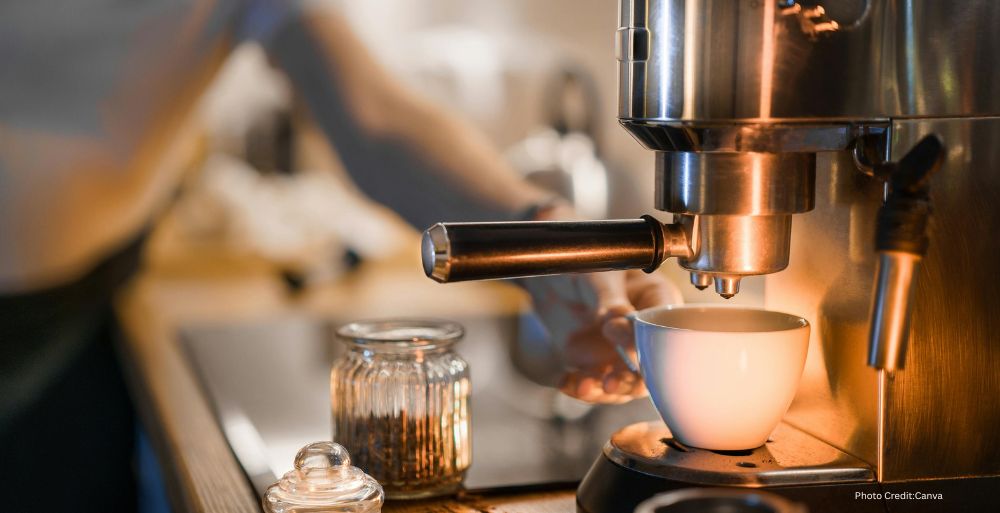
Consumer concerns about microplastics and sustainability are transforming the coffee industry, prompting manufacturers to introduce new machines and coffee pods that prioritize eco-friendliness and health.
New York — The coffee industry is undergoing a significant transformation as consumer preferences shift towards sustainability and health. For decades, the appeal of high-end coffee machines revolved around features and technology. However, recent trends indicate that consumers are increasingly focused on what these machines lack: plastic components. This change is driven by growing concerns about microplastics and their potential harm to both human health and the environment.
According to a poll conducted by the environmental organization 5 Gyres, approximately 90% of Americans express concerns regarding the impact of microplastics on their health and the planet. This widespread worry has prompted coffee manufacturers to innovate, leading to the development of plastic-free coffee pods and machines.
Innovative Products in the Market
Major brands such as Keurig and Lavazza have recently launched new offerings aimed at reducing plastic waste in coffee consumption. Lavazza’s latest product, the Tablì, features a machine priced at $129 that utilizes compostable coffee tablets instead of traditional plastic pods. This innovation marks a significant shift for Lavazza, which previously relied on plastic and aluminum capsules. According to Lavazza, the Tablì machine represents the company’s “largest investment yet” in the United States, aligning with an ambitious plan to double its revenue to $1 billion by 2029. Daniele Foti, vice president of marketing for Lavazza North America, stated that the new product is designed for consumers seeking environmentally friendly alternatives to single-serve coffee options. “Consumers want to enjoy their coffee without the waste that usually comes with single-serve,” he noted.
Keurig, which pioneered the single-serve coffee market with its K-Cup pods in the 1990s, has also adapted to changing consumer demands. In October, the company introduced a new line of compostable pods called AltaRounds, along with a machine specifically designed for their use. Phil Drapeau, senior vice president for Keurig’s Future Coffee Systems unit, emphasized that these new pods represent a “significant reduction in plastic compared to our K-Cup pods,” responding directly to consumer preferences for more sustainable products.
Consumer Trends and Industry Response
The shift towards plastic-free coffee products reflects a broader trend of consumers investing more in home coffee equipment since the onset of the COVID-19 pandemic. According to Peter Giuliano, senior adviser for research at the Specialty Coffee Association, the rise in demand for these products is driven by health concerns regarding microplastics, environmental awareness, and a perception that products made from metal and glass are more luxurious than their plastic counterparts. “The appeal and growth combine three things: health worries about microplastics, concern about plastic in the environment, and the feeling that metal and glass are more ‘luxury’ than plastic,” Giuliano explained.
Keurig’s recent innovations come in the wake of significant criticism regarding the recyclability of its K-Cup pods. In 2022, the company agreed to pay $10 million to settle a class-action lawsuit alleging it misled consumers about the recyclability of its plastic pods, though it denied any wrongdoing. Critics, including Melissa Valliant from 5 Gyres, have pointed out that despite the introduction of new compostable options, both Lavazza’s and Keurig’s products still utilize plastic packaging that contributes to ongoing environmental challenges.
Emerging Competitors: Caraway’s Unique Offerings
Another significant player in the market is Caraway, which recently launched a coffee machine priced at $495, crafted entirely from stainless steel and glass. This design ensures that no plastic comes into contact with the coffee grounds, a feature that CEO Jordan Nathan emphasized as crucial for consumer health. “You never want to heat plastic,” Nathan remarked, referencing increasing concerns about the effects of plastic on the endocrine system, particularly in kitchen environments.
Caraway’s new coffee maker has experienced strong demand, leading to a sell-out situation until January 2024, forcing the company to ramp up production. Demand for sustainable coffee solutions has also been reflected in the rapid sales of Lavazza’s and Keurig’s new products, indicating a robust market for eco-friendly alternatives.
Implications for the Coffee Industry
The growing consumer appetite for plastic-free coffee machines and pods suggests an imminent shift that could reshape the coffee industry. As Jordan Nathan noted, companies that fail to adapt to these evolving consumer preferences risk falling behind in a marketplace increasingly driven by sustainability and health-conscious choices. “If you’re not doing it, you’re behind where the puck is moving,” he stated, underscoring the urgency for manufacturers to innovate.
The implications of this trend extend beyond individual companies, potentially influencing broader industry standards. As manufacturers continue to respond to consumer demands for sustainable practices, the coffee sector may see a significant shift in production methods, materials, and marketing strategies. This shift may not only impact consumer purchasing habits but could also set new benchmarks for sustainability across the food and beverage industry.
As the coffee industry navigates these changes, it remains to be seen how these innovations will affect the overall market landscape and consumer behaviors in the long term. The trend towards sustainability in coffee consumption appears to be gaining momentum, reflecting a broader societal shift towards environmental consciousness and health awareness.