Cuban officials announced a critical energy crisis as the country grapples with humanitarian challenges exacerbated by U.S. sanctions and increased political pressure from the Trump administration.
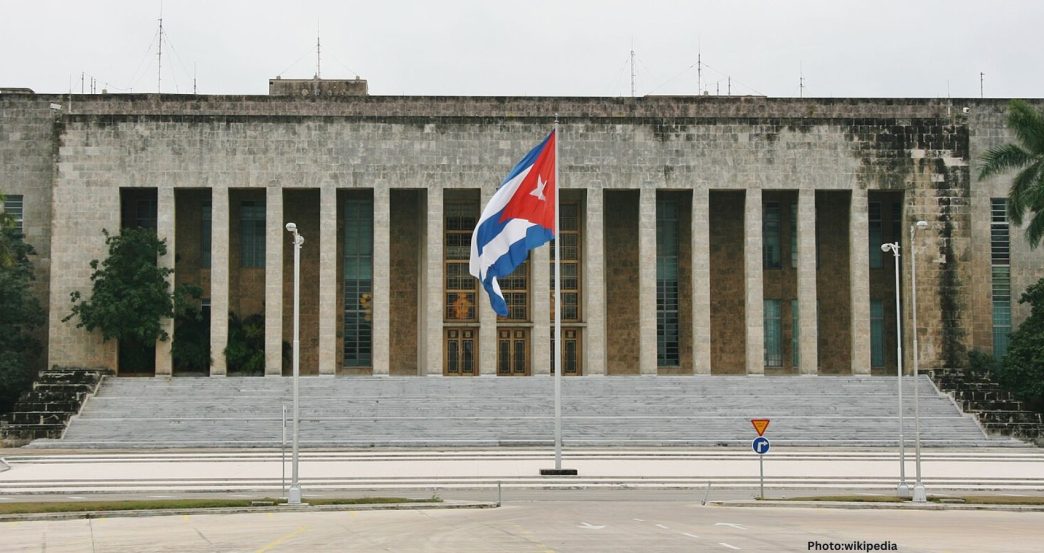
Cuba is currently facing a dire humanitarian crisis as officials announced on Friday that the country has run out of oil and diesel, severely impacting daily life and its economy. This announcement comes amid heightened pressure from the Trump administration, which has been advocating for significant changes in Cuba’s governance or the potential for military intervention.
Decades of U.S. sanctions, originating from Cold War tensions, have created a complex landscape for Cuba’s economy. Following the recent capture of Venezuelan President Nicolás Maduro and the death of former Iranian leader Ayatollah Ali Khamenei, there have been increased calls from some U.S. lawmakers to dismantle the Cuban government, which is heavily influenced by the Castro regime.
Cuban President Miguel Díaz-Canel has been vocal in his opposition to U.S. policies, describing the blockade as “genocidal.” He asserted in a statement on the social media platform X that the U.S. actions are designed to deliberately inflict suffering on the Cuban people. “It is a perverse design whose main objective is the suffering of the entire people, to hold them hostage and turn them against the Government,” he stated.
Cuban Energy Crisis and Protests
The energy crisis in Cuba is attributed primarily to an oil embargo imposed by the U.S. in response to geopolitical developments in Latin America. Energy Minister Vicente de la O Levy reported that the country’s electric grid is in a “critical state,” with rolling blackouts lasting up to 22 hours a day. The Cuban government has been heavily reliant on oil shipments from Venezuela, receiving only one shipment since January 2023.
According to de la O Levy, the U.S. administration’s warnings to other nations against engaging in trade with Cuba have hampered the country’s ability to secure necessary fuel imports. While Mexico has provided humanitarian assistance, and Russia has delivered limited oil supplies, the situation remains precarious. A significant oil delivery from a Russian-flagged tanker has already been depleted, exacerbating the crisis.
The lack of electricity has sparked widespread protests across Cuba, particularly in Havana, where demonstrators have been heard chanting “Turn on the lights!” in frustration over the government’s inability to provide basic services.
U.S. Legal Actions Against Cuban Officials
Increasing Pressure from U.S. Officials
During a visit to Havana, CIA Director John Ratcliffe emphasized the administration’s commitment to engage with Cuba on economic and security issues, contingent on fundamental changes within the Cuban government. His remarks reflect a broader consensus among U.S. officials, including Secretary of State Marco Rubio, who recently claimed that Cuba had rejected a $100 million humanitarian aid offer from the U.S. Cuba’s Foreign Affairs Minister Bruno Rodríguez Parrilla denied this assertion, further complicating diplomatic relations.
In response to the ongoing crisis, Rubio announced new sanctions targeting two Cuban entities and an individual linked to supporting the Cuban government. Despite the pressure, Cuba has reiterated its stance of sovereignty and preparedness to defend itself against potential military actions, with officials claiming that any attack would be met with resistance.
Calls for Regime Change and Bipartisan Concerns
Support for regime change in Cuba has gained traction among some Republican lawmakers, including Senators Lindsey Graham and Ted Cruz, who have voiced their hopes for a collapse of the current Cuban government. Graham stated that after Maduro’s ousting, he believed it was only a matter of time before Cuba’s regime would follow suit.
Cruz echoed similar sentiments, suggesting that the political landscape in Cuba could change dramatically within months, potentially leading to governments more amenable to U.S. interests. However, concerns over the implications of regime change have been raised, particularly regarding the possibility of mass migration from Cuba if the government were to collapse.
On the other hand, bipartisan lawmakers have cautioned against military intervention in Cuba, invoking international law and the complexities of military engagements in other countries like Venezuela and Iran. Senate Majority Leader John Thune expressed a desire for the focus to remain on current conflicts rather than provoking further military actions in Cuba.
Criticism from Senate Democrats has also emerged, particularly following Trump’s comments that suggested a military attack could be on the table. In March, Senate Democrats introduced a resolution to limit the deployment of U.S. forces in Cuba, citing concerns over the legality of such an action under the War Powers Act, although the measure was ultimately rejected by Senate Republicans.
As Cuba navigates its current crisis, the interplay between domestic unrest, international pressure, and U.S. policy continues to shape the future of the island nation and its relations with the United States.