A series of proposed changes to election laws in the state legislature have ignited a heated debate among lawmakers, advocacy groups, and voters, with implications for future electoral processes.
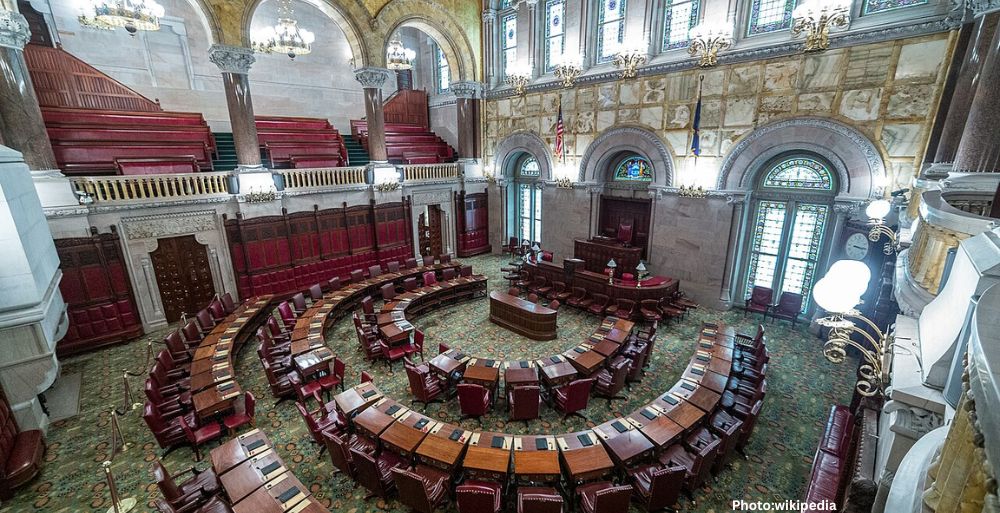
In a significant political development, lawmakers in the state have introduced a package of bills aimed at reforming current election laws, stirring controversy and divided opinions among various stakeholders. The proposed changes, which were unveiled during a legislative session on Tuesday, focus on voter identification requirements, mail-in voting procedures, and the distribution of election resources.
The lead sponsor of the legislation, State Representative John Smith, emphasized the intention behind the reforms, stating, “These changes are necessary to enhance the integrity of our elections and ensure that every vote counts. We are committed to protecting our democratic processes while making it easier for citizens to participate in elections.” However, the bills have been met with skepticism and criticism from several advocacy groups, who argue that the measures could disenfranchise voters, particularly marginalized communities.
Election Law Reforms Overview
The proposed reforms include stricter voter ID requirements, which would mandate voters to present government-issued identification at polling places. Supporters of this measure argue that it will help prevent voter fraud, while opponents claim that it disproportionately impacts low-income individuals and people of color who may lack access to such IDs.
Additionally, the legislation seeks to revise mail-in voting procedures by introducing new deadlines for ballot submission and requiring voters to provide a signature that matches their identification. Proponents assert that these changes will streamline the voting process and ensure accuracy in ballot counting. Critics, however, warn that these adjustments could lead to confusion and delays, ultimately discouraging participation in the electoral process.
Historical Context of Election Law Changes
The discourse surrounding election law reforms is not new; it reflects a broader national trend observed in various states across the U.S. Over the past decade, numerous states have enacted similar measures, often framed as efforts to enhance election security. A report by the Brennan Center for Justice notes that since 2010, more than 30 states have implemented laws that restrict access to voting, particularly targeting mail-in ballots and voter registration processes.
In the context of the current proposals, many critics are drawing parallels to previous legislative efforts that have faced legal challenges. Notably, several states have encountered lawsuits alleging that such laws violate the Voting Rights Act, which prohibits discriminatory practices in voting.
Public and Political Response
The introduction of these election law changes has prompted a range of reactions from the public and political figures. Community organizations have mobilized to oppose the reforms, launching campaigns to educate voters about their potential impact. A coalition of civil rights groups held a press conference on Wednesday, where spokesperson Maria Lopez stated, “We cannot allow these changes to undermine our democracy. All citizens deserve equitable access to the ballot box, regardless of their socioeconomic status. We will fight these measures at every turn.”
On the other side of the aisle, supporters of the legislation have rallied to defend the need for reform. State Senator Mark Johnson argued, “Our electoral system must be resilient and secure. These changes are meant to ensure that our elections remain fair and transparent, and we owe it to our constituents to take these steps.”
Implications for Future Elections
The ongoing debate surrounding these proposed changes raises questions about the future of electoral integrity and voter access in the state. If enacted, the reforms could reshape the voting landscape, potentially influencing voter turnout and election outcomes in upcoming elections. The state is scheduled to hold primary elections in six months, making the timeline for these legislative changes particularly critical.
As discussions continue, stakeholders on both sides are preparing for potential legal battles that may arise if the reforms are passed. Legal experts suggest that challenges based on allegations of voter suppression may be forthcoming, as seen in other jurisdictions. This could lead to prolonged court battles that might delay the implementation of the new laws.
In conclusion, the proposed election law changes in the state legislature reflect a contentious and multifaceted issue that resonates with ongoing national debates about voting rights, election security, and democratic participation. As lawmakers deliberate, the implications of these reforms will likely reverberate far beyond the immediate political landscape, influencing the future of electoral processes in the state.