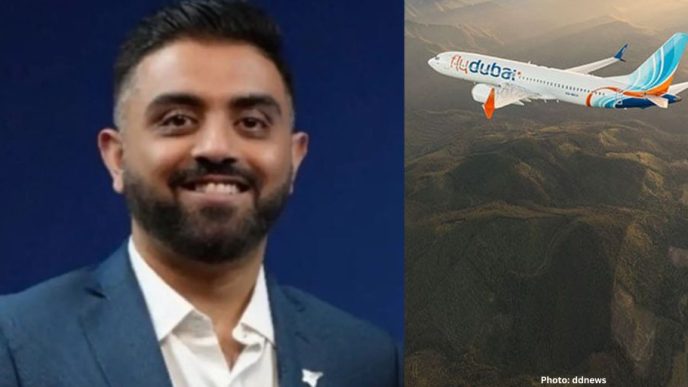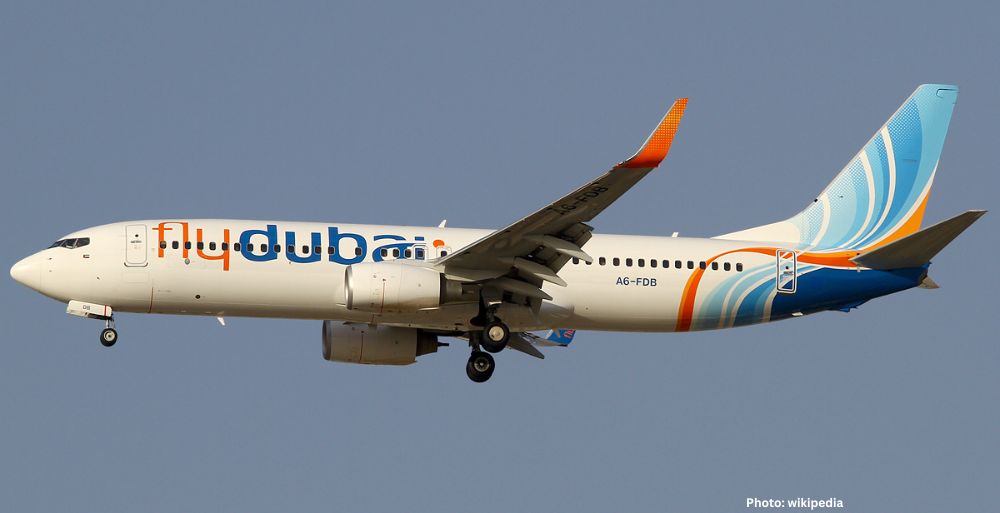
A violent altercation in the cockpit of Flydubai flight FZ1073 resulted in a rapid descent of the aircraft and an emergency landing in Saudi Arabia, prompting international scrutiny and an investigation into the incident.
On September 30, 2026, Flydubai flight FZ1073, a Boeing 737 MAX 8, took off from Dubai International Airport at 3:05 AM UTC, destined for Tel Aviv, Israel. What began as a routine flight quickly devolved into chaos as a violent confrontation erupted between the pilot, Smit Machchhar, and his co-pilot. This altercation led to a significant loss of altitude and prompted a distress signal that indicated a potential hijacking, triggering an international emergency response.
At approximately 5:21 AM UTC, the aircraft experienced a dramatic drop in altitude, with varying reports indicating a descent of between 14,000 feet and 17,400 feet in a matter of minutes. In response to this alarming situation, the crew issued a general emergency signal, known as squawk 7700, at 5:31 AM UTC. Shortly thereafter, the situation escalated, and the crew activated a hijack alert signal, squawk 7500, which is a critical code used by pilots to discreetly indicate unlawful interference without overtly communicating the emergency over radio frequencies.
Emergency Response Protocols
Upon receiving the hijack alert, air traffic controllers immediately initiated established protocols. They first attempted to establish contact with the flight on a secure frequency, ensuring that the pilots were aware that their distress signal had been received. Subsequently, airspace around the aircraft was cleared to allow for priority handling, while military aircraft were deployed to visually assess the situation. In this case, Israeli warplanes were reportedly scrambled to accompany the aircraft as it diverted toward Tabuk, Saudi Arabia.
After the aircraft successfully landed in Tabuk, all 170 passengers were evacuated and later transported home on another flight. Both the pilot, Smit Machchhar, and the co-pilot, who was reportedly attempting to seize control of the plane, were hospitalized. In the aftermath, Machchhar has been hailed as a hero for his actions during the incident, which likely prevented a more serious outcome.
Conflicting Accounts and Investigation
Details surrounding the cockpit altercation remain unclear, with various accounts emerging from passengers and media reports. Eyewitnesses described a chaotic scene in the cabin, with some suggesting that Machchhar was injured during a struggle with his co-pilot. Mobile phone footage captured the alarm and panic among passengers, as well as images of Machchhar lying bloodied on the cockpit floor following the incident. While some reports characterized the event as a hijacking attempt, others referred to it as a terror attack. Israeli officials have labeled it an ‘attempted jihadist terrorist attack,’ with Prime Minister Benjamin Netanyahu asserting that the pilot tried to crash the plane with everyone aboard. However, Flydubai has refrained from confirming any motivations, stating that the motives remain unknown.
The narrative surrounding the breach of the cockpit door has also sparked debate. Israeli government representatives indicated that Machchhar had activated the cockpit door release, allowing passengers to intervene. However, aviation experts have raised concerns about the feasibility of such claims, citing the security features of modern cockpit doors, which are designed to withstand unauthorized access.
Passenger Intervention
Several passengers reportedly played crucial roles in subduing the co-pilot during the crisis. One passenger, identified as Yaniv Hayoun, claimed to have placed the co-pilot in a chokehold, while another passenger, Dr. Shota Musaev, described using headphone cords and plastic zip ties to restrain the attacker. These accounts underscore the bravery of passengers in a moment of crisis and highlight the potential for civilian intervention during aviation emergencies, which can sometimes prove pivotal in saving lives.
Regulatory Implications and Future Measures
In the aftermath of the incident, the United Arab Emirates has taken the lead in the investigation, addressing questions regarding jurisdiction since the flight originated from Dubai and was intended for Tel Aviv. The UAE’s involvement is significant, as it reflects the need for a thorough examination of the circumstances surrounding the incident. Israeli officials have also expressed concerns about the security protocols for foreign pilots flying into Israel. The Israeli transport minister has requested a review of security measures for pilots, which may lead to increased scrutiny of those operating flights into the country.
This event underscores ongoing security challenges in civil aviation, raising questions about the adequacy of existing protocols to prevent similar occurrences. The aviation industry has faced heightened scrutiny in the years following the 9/11 terrorist attacks, and incidents like this highlight the importance of vigilance and preparedness in ensuring passenger safety. As investigations continue, both UAE and Israeli authorities will likely evaluate existing measures and consider enhancements to ensure the security of air travel.
In summary, the violent confrontation aboard Flydubai flight FZ1073 resulted in a rapid descent, emergency landing, and significant international attention. The incident, which remains under investigation, emphasizes the need for heightened security measures in the aviation sector. As authorities work to uncover the motives behind this alarming event, the actions of the crew and passengers serve as a testament to the importance of preparedness and quick thinking in the face of potential disaster.