Consumer confidence in the U.S. economy has reached its lowest level in nearly a decade, driven by persistent inflation and stagnant wages, raising concerns for political leaders ahead of the midterm elections.
WASHINGTON (AP) — The latest data from the Conference Board reveals that consumer confidence in the U.S. economy has significantly declined, reaching its lowest point since April 2014. The consumer confidence index fell by 6.7 points to 81.9 in September, down from 88.6 in August, reflecting growing discontent among Americans regarding their economic circumstances. This downturn is notable, especially as it comes just over a month before the crucial midterm elections, where economic issues are expected to play a pivotal role.
The survey, conducted from September 1 to September 23, indicates a sharp decline in respondents’ perceptions of their current economic situation, which dropped 7.9 points to 109.3. Additionally, the short-term outlook for the economy worsened, falling 5.9 points to 63.6. These numbers suggest a notable increase in pessimism among consumers, which could have significant implications for political candidates and their campaigns.
Factors Influencing Consumer Sentiment
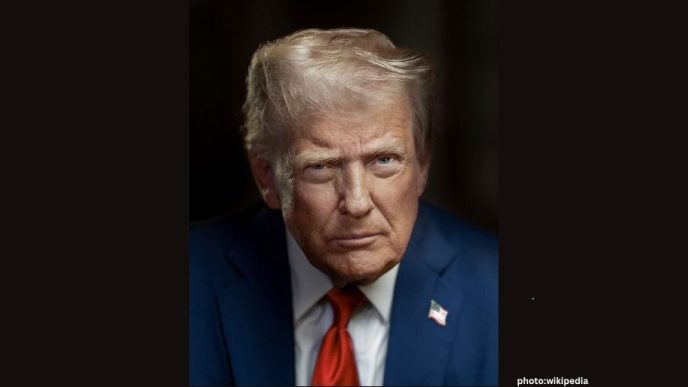
American consumers have expressed frustration over the economy, citing five consecutive years of elevated inflation as a primary concern. This sentiment poses potential risks for President Donald Trump and the Republican Party as they approach the midterm elections. Many respondents in the survey pointed to the rising costs of gas, goods, and services as major contributors to their negative outlook.
Dana Peterson, the chief economist at the Conference Board, commented on the findings, stating, “The Consumer Confidence Index deteriorated notably in September, following two prior months of softening.” She highlighted that consumers’ assessments of current business conditions turned negative for the first time since September 2024, underscoring a significant shift in economic sentiment.
Inflation Trends and Economic Policy
President Trump has attributed the rising prices to the policies of his predecessor, Democrat Joe Biden, even as inflation has continued to escalate since Trump took office in January 2025. The Labor Department’s recent report indicated that consumer inflation accelerated in August, with the consumer price index rising 3.4% compared to the same month last year. This figure represents a month-over-month increase of 0.4%, a significant jump from the previous month’s modest 0.1% rise.
The ongoing conflict in the Middle East has further exacerbated inflationary pressures, particularly in the energy sector. Gasoline prices currently average $4.46 per gallon, contributing to an overall increase in costs across various sectors, including essential goods and services such as appliances, car repairs, and wireless phone services. The rising costs are affecting household budgets, leading to a greater sense of economic insecurity among consumers.
Federal Reserve Response
In light of persistent inflation, the Federal Reserve took action earlier this month by raising its benchmark interest rate for the first time since 2023. The quarter-point increase raised the Fed’s key rate to approximately 3.9%, a move aimed at controlling inflation while attempting to maintain economic growth. Higher interest rates could lead to increased borrowing costs for mortgages, auto loans, and credit cards, further affecting consumer spending.
The Federal Reserve’s preferred inflation measure, the personal consumption expenditures (PCE) price index, showed an annual increase of 3.7% in June. While this figure represents a decrease from May’s year-over-year increase of 4.1%, it is still up from the 2.8% recorded prior to the Iran war, which began on February 28. The upcoming release of the August PCE data is anticipated to provide additional insights into inflation trends and their impact on consumer behavior.
Labor Market Dynamics and Consumer Expectations
The perception of the labor market also deteriorated in September, although respondents still generally viewed it positively. Many consumers expect their household incomes to rise, but the anticipated increases are less optimistic compared to previous months. In August, the U.S. labor market added 162,000 jobs, maintaining a low unemployment rate of 4.1%. However, this figure is somewhat misleading, as it is partially influenced by a significant number of individuals who have ceased actively seeking employment.
Discussions surrounding inflation have increasingly dominated public discourse in 2023, with rising prices significantly impacting household budgets. Average hourly wages increased by a modest 3.1% year-over-year, marking the weakest growth since May 2021. The government’s September jobs report, set to be released on Friday, will further illuminate employment trends and the overall health of the economy.
Implications for the Upcoming Elections
As the midterm elections draw near, the decline in consumer confidence could have significant repercussions for political candidates, particularly those aligned with the current administration. Economic performance has historically influenced voter sentiment, and the interplay between inflation, wage stagnation, and consumer confidence will be critical in shaping electoral outcomes. Candidates may need to address these economic concerns directly in order to resonate with voters facing financial pressures.
In conclusion, the current state of the economy, marked by rising inflation and declining consumer confidence, poses significant challenges for both the American public and political leaders. As the nation moves closer to the midterm elections, the economic landscape will remain a central issue in the political discourse, shaping the strategies and messaging of candidates across the political spectrum.