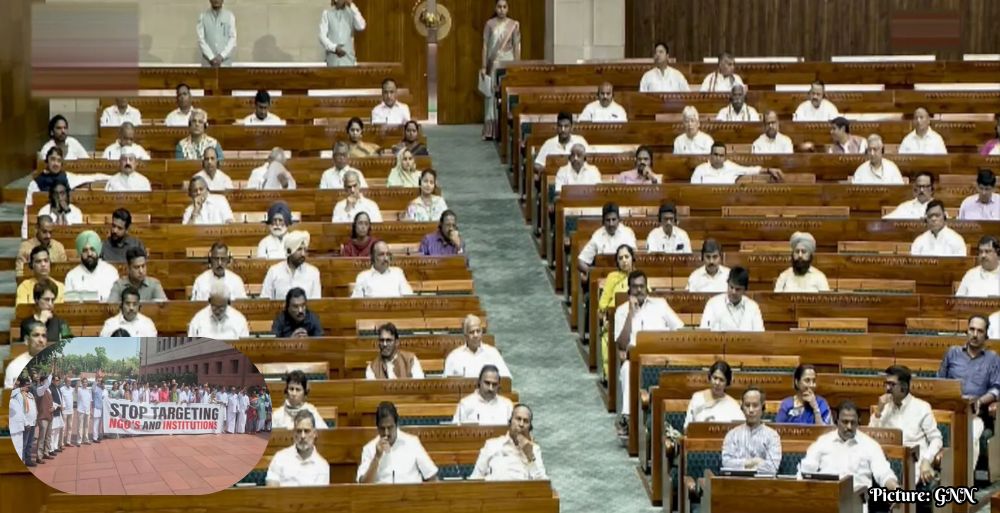
The Congress party has reiterated its staunch opposition to the proposed Foreign Contribution (Regulation) Amendment Bill, citing concerns over past legislative tactics and the potential impacts on civil society organizations.
ALAPPUZHA, India – On August 9, 2026, the Congress party announced a robust opposition to the Foreign Contribution (Regulation) Amendment Bill (FCRA), which is set to be considered in the Indian Parliament during the ongoing Monsoon Session. Congress general secretary K.C. Venugopal issued a clear warning to the ruling government, asserting that it should not expect to pass the bill without facing significant resistance from the opposition.
Venugopal’s comments come in the wake of a contentious history of legislative maneuvers, particularly referencing the events of December 2023, when a substantial number of opposition MPs were suspended. This suspension allowed the government to advance several critical laws with little opposition, a tactic that Congress leaders are determined to prevent from repeating. Venugopal stated, “If the Central government thinks they can cook up and introduce the Foreign Contribution (Regulation) Amendment Bill within these two or three days, they should keep that wish to themselves.”
Historical Context of Legislative Maneuvers
During the Winter Session of Parliament in December 2023, a total of 146 opposition MPs were suspended, including 100 from the Lok Sabha and 46 from the Rajya Sabha. This unprecedented action occurred between December 14 and 21, resulting in the passage of several significant laws, including three new criminal law bills that replaced the Indian Penal Code, the Code of Criminal Procedure, and the Indian Evidence Act. Additionally, the Chief Election Commissioner and Other Election Commissioners (Appointment, Conditions of Service and Term of Office) Bill was also pushed through without substantial debate.
Jairam Ramesh, another senior Congress leader, echoed Venugopal’s concerns, emphasizing that the government must learn from past mistakes. In a post on the social media platform X, Ramesh cautioned, “History should not repeat itself,” underlining the importance of safeguarding parliamentary democracy and ensuring thorough discussions on vital legislation.
Concerns Over the FCRA Amendments
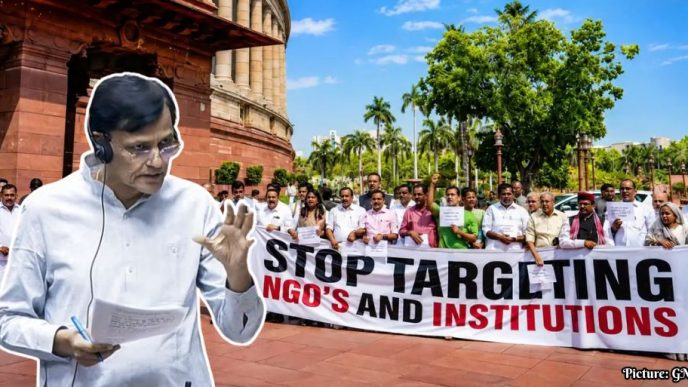
Venugopal expressed alarm over the implications of the proposed amendments to the FCRA, alleging that they are intended to undermine the operational capacity of minority organizations and non-governmental organizations (NGOs). He asserted, “The Opposition will not allow this legislation to be passed,” reflecting a growing anxiety within the party about the potential effects of the bill on civil society. Furthermore, he raised questions about the alleged foreign funding received by organizations associated with the Rashtriya Swayamsevak Sangh (RSS), a prominent Hindu nationalist organization in India. Venugopal provocatively challenged the government, stating, “If you have the courage, try controlling the RSS,” suggesting that the government selectively targets organizations that operate legally under the FCRA.
Calls for Accountability from Government Leaders
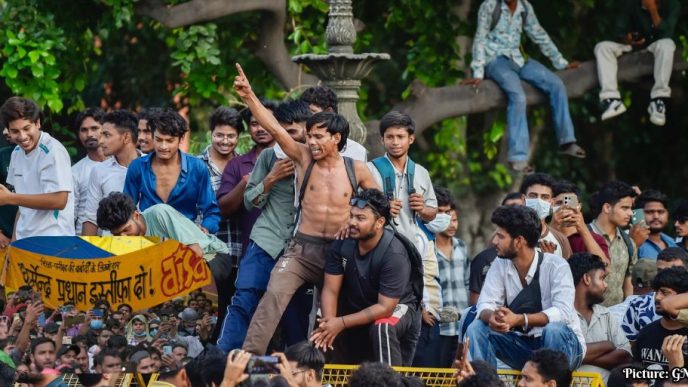
In addition to addressing the FCRA Bill, Venugopal criticized Home Minister Amit Shah and Prime Minister Narendra Modi for their perceived avoidance of accountability in Parliament. He emphasized the need for transparency regarding police actions against students, particularly concerning the use of pellet guns and other crowd control measures during protests. He pointedly remarked, “If students in India are asking the crucial question of who ordered the use of pellet guns, lathi charges and tear gas shells against them, Amit Shah should come forward and answer it.” This statement highlights broader concerns regarding civil liberties and the government’s approach to dissent.
Opposition to Delimitation Legislation
Furthermore, Venugopal raised objections to proposed delimitation legislation, which he argued would unfairly penalize states that have successfully implemented population control measures, particularly in southern India and parts of the Northeast. He described the proposed bill as one that “effectively chokes States that have successfully implemented population control,” emphasizing the potential adverse consequences for regional governance and representation.
Congress Party’s Strategic Response
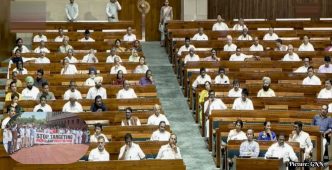
In light of the unfolding situation, the Congress party has issued a three-line whip to its Members of Parliament (MPs), instructing them to be present in the House from August 10 to 12. This period is anticipated to be critical, as it coincides with the expected consideration of the FCRA Bill and a potential constitutional amendment bill related to delimitation. The party has also urged its allies within the opposition coalition, known as the INDIA bloc, to ensure their members are present to strengthen the opposition against these legislative measures.
The ongoing Monsoon Session of Parliament is poised to be a battleground for the ruling government and opposition parties, particularly concerning the FCRA Bill and its implications for civil society in India. The Congress party’s commitment to opposing this legislation not only highlights internal party dynamics but also reflects broader tensions within India’s political landscape. As debates surrounding the FCRA and other key issues unfold, the balance of power and the role of civil society are likely to remain at the forefront of national discourse.
As the final days of the Monsoon Session approach, the actions taken by both the government and opposition will be closely scrutinized by observers, with potential implications for future legislative processes and the overall health of democracy in India.