According to a Pew Research Center survey, 61% of Americans believe economic inequality is excessive, with significant partisan divides influencing perspectives on its causes and solutions.
The Pew Research Center conducted an extensive survey from August 24 to August 30, 2026, engaging 5,166 U.S. adults, revealing profound concerns about economic inequality in the United States. The findings indicate that 61% of participants perceive economic inequality as excessive, a viewpoint that is substantially more prevalent among Democrats and Democratic-leaning individuals (78%) compared to Republicans and Republican-leaning respondents (42%).
Shifting Perspectives on Economic Inequality
While the overall sentiment regarding economic inequality has remained consistent since 2019, additional nuances have emerged in public opinion. Among those who believe economic inequality is too high, 35% now assert that no amount of inequality is acceptable—a notable increase from 29% four years prior. Furthermore, 24% of respondents advocate for a complete restructuring of the economic system to address this inequality, reflecting a significant rise from 14% in 2019.
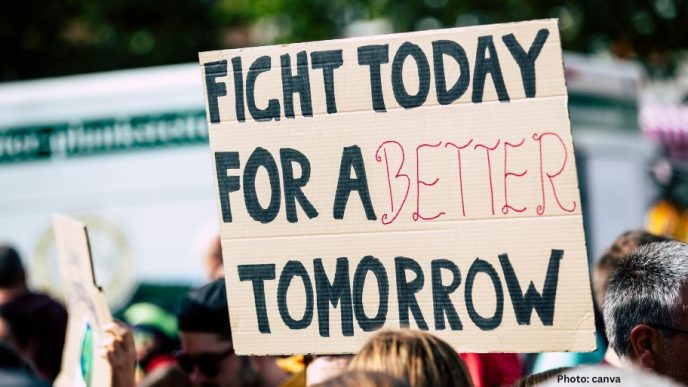
This evolving perspective underscores escalating frustrations regarding economic disparities and the perceived ineffectiveness of existing systems. Notably, both Democrats and Republicans acknowledging the prevalence of inequality are increasingly inclined to support significant changes or a complete overhaul of the current economic framework.
Confidence in Change
Despite the heightened recognition of economic inequality as a pressing issue, confidence in the potential for effective change remains alarmingly low. Among individuals who believe that substantial reforms are necessary, only 11% of Republicans and 8% of Democrats express strong confidence in the economic system’s capacity for transformation. In stark contrast, a substantial majority—70% of Democrats and 55% of Republicans—report feeling either not too or not at all confident about the potential for meaningful reforms.
Factors Contributing to Economic Inequality
Respondents identified a myriad of factors they perceive as contributing to economic inequality, with pronounced differences evident across political affiliations. For instance, 65% of Democrats who acknowledge the existence of inequality cite the U.S. tax system and insufficient corporate regulation as major contributors. Conversely, Republicans are more inclined to attribute economic disparities to personal life choices, with 59% indicating these choices play a significant role.
Specific factors identified by respondents include:
- Tax System: 65% of Democrats vs. 48% of Republicans
- Corporate Regulation: 60% of Democrats vs. 30% of Republicans
- Different Life Choices: 59% of Republicans vs. 28% of Democrats
This divergence in perspectives highlights the intricate nature of the debate surrounding economic inequality, heavily influenced by political ideology and personal experiences.
Responsibility for Addressing Inequality
The survey further explored opinions regarding who bears responsibility for addressing economic inequality. A substantial majority, 72%, indicated that the federal government should play a significant role in mitigating this issue, marking a slight increase from 66% in 2019. Additionally, 57% of respondents believe that both state governments and large businesses should also bear considerable responsibility in reducing inequality.
When analyzed by political affiliation, the differences become strikingly pronounced:
- Federal Government Responsibility: 80% of Democrats vs. 54% of Republicans
- Wealthy Individuals Responsibility: 57% of Democrats vs. 28% of Republicans
Interestingly, while a significant partisan divide persists, the proportion of Republicans who believe the federal government should assume responsibility for addressing inequality has risen from 44% in 2019 to 54% in 2026.
Implications for Policy and Elections
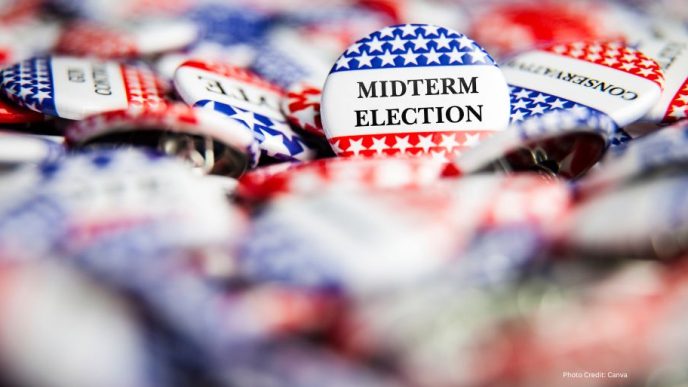
The findings of this survey arise at a critical juncture as economic issues are poised to play a pivotal role in both parties’ midterm election campaigns. The growing public concern over economic inequality, coupled with a notable lack of confidence in the current system’s ability to address these disparities, may significantly influence policy discussions and electoral strategies in the near future.
As the nation grapples with these complex issues, the Pew Research Center’s findings offer valuable insights into public perceptions of economic inequality and the differing views on potential solutions across the political spectrum. The implications of these attitudes could shape the future landscape of economic policy in the United States as stakeholders seek to address the root causes of inequality and cultivate a more equitable economic environment.
Additionally, the survey results reflect a broader trend in American society, where economic issues are increasingly recognized as critical to the national discourse. As economic challenges continue to affect a growing number of households, the call for reforms becomes more urgent, suggesting a potential shift in the political landscape as voters demand accountability and effective solutions from their representatives.