Protests against the rising cost of living in France escalated into violent clashes over the weekend, drawing hundreds of thousands of participants and resulting in significant property damage and numerous arrests.
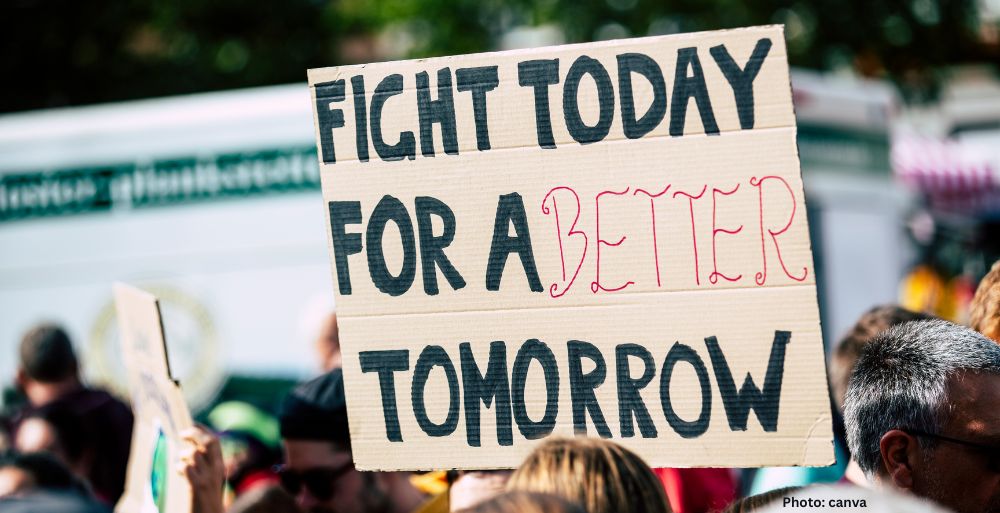
PARIS, France — On October 17, 2026, cities across France witnessed widespread protests against the escalating cost of living and declining public services. What began as peaceful demonstrations involving hundreds of thousands evolved into some of the most intense violence experienced in the country in recent decades. Protesters, comprising a diverse coalition including former “Yellow Vests,” students, climate activists, and farmers, expressed their grievances at various locations, particularly in Paris, Limoges, Marseille, and Lyon.
According to French Interior Minister Laurent Nunez, approximately 550,000 individuals participated in demonstrations nationwide, although the General Confederation of Labor (CGT) union estimated the figure to be around 800,000. While many protests were conducted peacefully, fringe groups resorted to violence, targeting public buildings, looting high-end boutiques, and clashing violently with police forces. In Limoges, a significant incident involved the arson of the city hall, while in Marseille, City Hall was vandalized with anarchistic graffiti.
Government Response and Political Context
French Prime Minister Sebastien Lecornu condemned the violence, attributing the unrest to “far-left” extremists and criminals. He remarked in a post on social media platform X, “To those who clearly want to use this violence as a ‘warm-up’ before the presidential election, I say clearly: We will not let ourselves be intimidated. No one will impose their political agenda through violence.” His comments highlight the fraught political atmosphere as France prepares for a presidential election in 2027.
President Emmanuel Macron also weighed in, pledging to prosecute those responsible for the violence. He stated, “We will all stand united against the sowers of chaos, who only seek to undermine our institutions and prevent those who peacefully express their demands from doing so.” This firm stance underscores the government’s determination to maintain order while facing an increasingly discontented public.
Rising Costs and Public Sentiment
The protests were largely fueled by frustrations over rising living costs, particularly in the wake of increasing fuel prices and the perceived inadequacies of public services. Lola, a 19-year-old protester in Paris, articulated the sentiments of many demonstrators, stating, “We are fighting because the cost of living is too harsh, because the price of fuel is too high, because high school pupils are being violently attacked and hurt all over the country just for trying to protest and ask for more teachers and decent learning conditions.” Such statements reflect the broader discontent among youth and working-class citizens regarding economic inequities.
Incidents of violence during the protests included attempts to break into retail establishments, with reports of vandalism at the Galeries Lafayette department store and various banks. Police employed tear gas against rioters, many of whom were masked and dressed in dark clothing to obscure their identities. The unrest led to around 400 arrests, predominantly of adults, with one individual reportedly losing a hand after mishandling a stun grenade during the chaos.
International Context
The unrest in France is not an isolated incident; similar demonstrations were observed in Belgium, Portugal, and Italy, where citizens expressed their frustrations over rising living costs. In Portugal, protests in Lisbon drew tens of thousands, reflecting widespread dissatisfaction as housing prices have doubled since 2017. Meanwhile, in Italy, protests in Milan and Bologna turned violent, with police employing tear gas and water cannons to disperse crowds.
In Albania, students continued their demonstrations against government corruption and inadequate education systems, highlighting a continent-wide sentiment of discontent with current socio-economic policies. These interconnected protests illustrate a growing wave of civil unrest across Europe, driven by economic pressures and demands for better governance.
Police Conduct and Accountability Issues
The response of French police to the protests has come under scrutiny, particularly following reports of injuries sustained by demonstrators. The police watchdog is currently investigating multiple allegations of police violence, including serious incidents involving a teenager who lost a hand. Nunez confirmed that over 900 police officers were injured in prior protests, highlighting the dangers faced by law enforcement during these demonstrations.
The UNSA police union has voiced concerns over the current state of police operations, stating, “Let everyone take responsibility: this cannot go on indefinitely. The rope is stretched to its maximum.” This statement underscores the pressures on law enforcement as they navigate the fine line between maintaining order and addressing the legitimate grievances of protesters.
In summary, the protests across France signify a critical moment for the nation as citizens grapple with rising living costs and deepening dissatisfaction with government responses. The interplay between public sentiment, political accountability, and law enforcement practices will likely shape the upcoming electoral landscape and influence the broader socio-political climate in France and beyond.