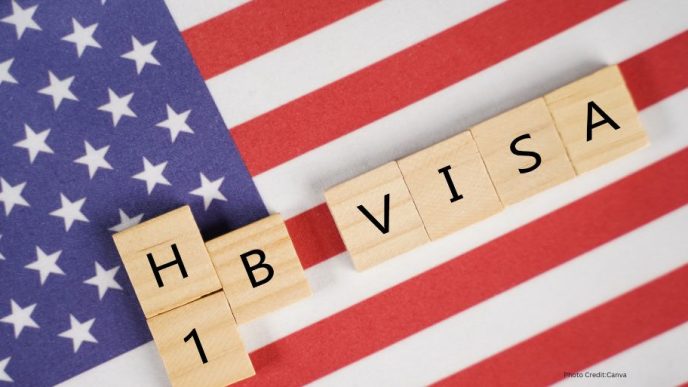
Republican Representative Glenn Grothman has introduced legislation that would significantly increase the salary threshold for H-1B visa holders, potentially reshaping employment opportunities for Indian IT professionals in the United States.
On October 13, 2023, Representative Glenn Grothman, a Republican from Wisconsin, introduced a bill designated H.R. 10799 which proposes to raise the annual salary threshold for H-1B visa holders from the current $60,000 to nearly $140,000. This proposed amount is based on a calculation linked to the national average wage index published by the Social Security Administration. The bill has been referred to the House Judiciary Committee for further consideration.
This legislative effort mirrors a Senate proposal, S. 5638, known as the Protecting American Workers Through H-1B Modernisation Act, introduced by Senator Jon Husted of Ohio on September 30, 2023. Both legislative initiatives have garnered bipartisan support but have yet to make significant progress through either chamber of Congress.
Current H-1B Employment Regulations
The H-1B visa program allows U.S. companies to employ foreign workers in specialty occupations, often in fields such as information technology, engineering, and healthcare. Under current regulations, companies classified as H-1B-dependent must demonstrate that they have made genuine efforts to recruit American workers before they can sponsor additional H-1B employees. This classification applies to businesses where H-1B workers represent a substantial segment of the workforce.
Employers can circumvent these hiring requirements if they offer H-1B visa holders a salary of at least $60,000 or if the employee possesses a master’s degree or higher. The existing salary threshold has remained unchanged since its establishment in 1998, leading to calls for reform as economic conditions and wage levels have evolved significantly over the past 25 years.
Grothman’s proposal seeks to replace the fixed salary threshold with a standard linked to the national average wage index, which his office estimates would place the new threshold at nearly $140,000 today. This adjustment is intended to better reflect current economic realities and wage trends within the labor market.
Implications for Indian IT Professionals and U.S. Employers
Indian nationals are the largest cohort of H-1B visa recipients, with many Indian IT services firms and companies owned by Indian nationals likely classified as H-1B-dependent employers. Should this bill pass, the increase in the salary threshold could significantly impact these businesses’ hiring capabilities. Many of these companies may struggle to meet the new salary requirements, potentially limiting their ability to employ skilled foreign workers, particularly in technology sectors where demand for talent remains high.
The debate surrounding the H-1B visa program reflects broader concerns about the impact of immigration on the American labor market. Critics of the H-1B program argue that it can contribute to the displacement of American workers, especially in fields where there is already a surplus of domestic talent. Conversely, proponents assert that the program is vital for addressing skill shortages in high-demand industries, asserting that foreign workers fill crucial gaps in the workforce that cannot be met by domestic employees.
Legislative Trends and Context
The introduction of H.R. 10799 coincides with a growing focus among lawmakers on adjusting immigration policies to protect American jobs. Another relevant legislative proposal, H.R. 10643, was introduced by Republican Representative Beth Van Duyne of Texas on October 1, 2023. This bill seeks to impose stricter penalties on employers who intentionally displace American workers, underscoring a trend toward enhancing protections for domestic employees in the face of foreign labor competition.
As the House of Representatives is currently not scheduled to reconvene until after the midterm elections on November 3, 2023, the timeline for further consideration of Grothman’s bill remains uncertain. The outcome of this legislative proposal and others like it may have significant implications for both the H-1B visa program and the broader employment landscape for both American and foreign workers.
Potential Economic Impact
The proposed increase in the H-1B salary threshold could have far-reaching economic consequences. For many companies that rely heavily on H-1B workers, the higher salary requirement may necessitate substantial budget adjustments, which could, in turn, affect their operational capabilities and competitiveness in the global market. Additionally, if employers are unable to hire qualified foreign workers at the proposed salary levels, there may be increased pressure to raise wages for domestic workers in similar roles, potentially altering salary dynamics within the industry.
Furthermore, the legislative proposals come at a time when U.S. labor markets are experiencing fluctuations due to various economic pressures, including inflation and shifts in workforce demands. The response from various stakeholders, including business associations, labor unions, and immigrant advocacy groups, will likely influence the discourse surrounding the H-1B program and any potential reforms.
In conclusion, the introduction of H.R. 10799 marks a significant moment in the ongoing discussion about immigration policy and labor market dynamics in the United States. The proposed changes to the H-1B visa program will continue to be a focal point of debate as lawmakers grapple with the balance between protecting American jobs and ensuring that U.S. companies can access the talent necessary to remain competitive in a rapidly evolving global economy.