
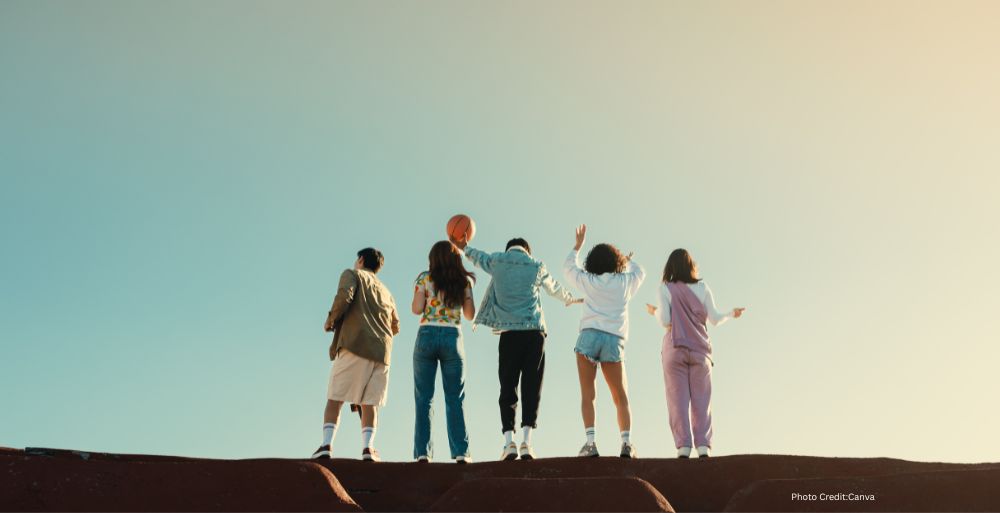
As young people increasingly embrace the ‘soft life’ aesthetic, they may be seeking refuge from the pressures of modern existence, indicating a shift in values from relentless ambition to prioritizing self-care and enjoyment.
The concept of the ‘soft life,’ a social media trend that has gained significant traction among Generation Z, emphasizes comfort, coziness, and self-care. This emerging lifestyle aesthetic, which originated within Nigerian influencer communities, has found its way onto platforms like TikTok and Instagram, where it resonates with young individuals seeking reprieve from the relentless demands of contemporary life.
As the world grapples with the aftereffects of the COVID-19 pandemic, many individuals within the Gen Z demographic seem to be increasingly disenchanted with the so-called ‘hustle culture,’ which glorifies overwork and constant striving for success. This shift in attitude reflects a broader societal reevaluation of work-life balance and personal fulfillment.
Rejecting the Hustle Culture
Before the pandemic, millennials were characterized by their dedication to career advancement and a work-centric ethos, famously captured in Anne Helen Petersen’s 2019 piece for BuzzFeed, which coined the term ‘burnout generation.’ Concepts such as ‘girlbossing’ and ‘leaning in’ epitomized the drive for professional success, often at the expense of personal well-being.
Stephanie Koh, a young adult currently navigating the job market in New York, noted the correlation between the ‘soft life’ trend and the rejection of this work-centric mentality. “For a long time, there’s been a really strong sentiment of the career woman, achieving big things. I think it’s a reaction to that, where now people are looking for a calmer existence,” she explained.
Similarly, Stephanie O’Dea, a New York Times bestselling author and advocate for slow living, remarked, “They don’t want to live just to work. Previous generations really identified with what you do for a living and how much money you make. This younger generation wants to do everything…they want to hike. They want to live life. They want to enjoy their friends and not be worked to the bone.”
This desire for a more balanced existence is partly driven by the sobering realization that traditional markers of success, such as stable employment and homeownership, may no longer be attainable for many young people. As they face an uncertain future, a growing number are choosing to focus on enjoying the present rather than pursuing an elusive dream of financial stability.
Aesthetic Aspirations Amidst Reality
While the ethos of the ‘soft life’ encourages prioritizing self-care and leisure, Koh argues that for many, this trend is more of an aesthetic aspiration than a comprehensive lifestyle change. “People in my circle take this trend not so much as an overall approach to their entire life, but as finding moments in their days where they can just take a deep breath and take a step back,” she said. This suggests that while young people may yearn for tranquility, their daily realities often remain fraught with stress and obligations.
Koh further explained that her peers are often fitting ‘softness’ into their lives during brief interludes between the pressures of work and personal responsibilities. The moments of relaxation shared online may not reflect a sustained lifestyle but rather fleeting escapes from the grind.
Critiques of the ‘Soft Life’ Concept
Some young people have voiced concerns that the ‘soft life’ ethos may inadvertently promote avoidance of responsibility. Asli Yu, a student at Babson College, remarked, “I think the ‘soft life’ trend is a way to escape your responsibilities. It’s a way to avoid stress.” Yu noted that she has heard peers use the term to justify neglecting their obligations, which raises questions about the implications of this trend on personal accountability.
Despite this critique, many experts, including O’Dea, argue that the pursuit of a ‘soft life’ is rooted in a conscious effort to combat burnout. “If you are already stressed in your 20s, think about that. Do you want to be stressed in your 30s and 40s?” she posed, emphasizing the importance of prioritizing mental health and well-being over societal expectations.
Parental Concerns and Misconceptions
Parents expressing concern over their teens’ interest in the ‘soft life’ should not panic. Koh noted that portrayals of the ‘soft life’ often acknowledge the necessity of effort and economic stability in achieving such a lifestyle. “You can’t have a ‘soft life’ without going through a lot,” she stated, suggesting that aspiring to live more slowly does not equate to abandoning ambition or hard work.
Thus, the ‘soft life’ can be seen as a strategy for young people to navigate a challenging world rather than a retreat from it. Koh candidly admitted that despite her desire for balance, the realities of job searching often overshadow her aspirations for a calmer existence. “I need a job. I don’t care if I have terrible work-life balance or terrible hours,” she stated, reflecting the pressures many young people face in an unpredictable job market.
In conclusion, while the ‘soft life’ trend may appear to be a mere aesthetic, it encapsulates a deeper cultural shift among Generation Z towards valuing self-care, mental health, and balance in the face of adversity. As they navigate an increasingly complex world, young people are finding solace in the small moments of joy that the ‘soft life’ represents, even if those moments are interspersed with the realities of modern life.