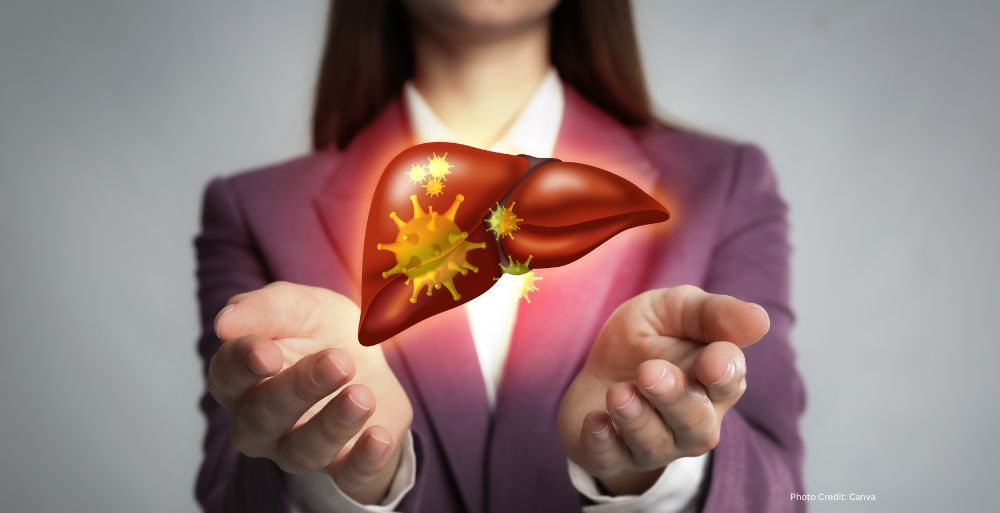
Research underscores the importance of dietary choices in maintaining liver health, identifying foods that can either support or hinder liver function.
The liver, one of the body’s most essential organs, is responsible for numerous critical functions including detoxification, metabolism, and nutrient storage. Recent studies have highlighted the profound impact that dietary choices have on liver health, indicating that certain foods can promote liver function while others may contribute to disease.
Beneficial Foods for Liver Health
Incorporating foods rich in fiber and antioxidants is vital for optimal liver function. For instance, oatmeal has emerged as a beneficial breakfast option. Research indicates that its high fiber content can aid in weight management, particularly in reducing visceral fat, which is linked to a higher risk of liver diseases such as metabolic dysfunction-associated steatotic liver disease (MASLD), formerly known as nonalcoholic fatty liver disease (NAFLD). Maintaining a healthy weight is crucial, as excess fat around the abdomen can significantly strain liver function.
Vegetables also play a pivotal role in supporting liver health. Broccoli, in particular, has garnered attention due to its potential protective properties against MASLD. Studies suggest that the nutrient composition of broccoli can help mitigate fat accumulation in the liver. Various preparation methods, such as steaming or roasting with garlic and balsamic vinegar, can enhance its flavor and increase its appeal as a dietary staple.
Moreover, moderate consumption of coffee—approximately two to three cups daily—may confer protective benefits against liver damage from excessive alcohol intake or poor dietary habits. Research has suggested that regular coffee consumption might also lower the risk of liver cancer, emphasizing the beverage’s potential health benefits when consumed in moderation.
Nuts, particularly almonds, are another food group that can positively impact liver health. Almonds are rich in vitamin E, an antioxidant that has been linked to protection against MASLD. Regularly including nuts in one’s diet, whether as snacks or as part of meals, can contribute to improved liver function and overall health.
Foods to Avoid for Liver Health
Conversely, certain dietary choices can jeopardize liver function. Foods high in saturated fats, such as fast food items like burgers and French fries, pose significant risks. Overconsumption of these items can lead to liver inflammation and ultimately to cirrhosis, a condition characterized by scarring of the liver. The prevalence of such foods in modern diets raises alarming concerns regarding the increasing rates of liver diseases.
Additionally, excessive sugar intake can have detrimental effects on liver health. The liver plays a crucial role in converting sugar into fat; when sugar consumption exceeds healthy levels, the liver may accumulate fat, leading to conditions like MASLD. Health experts recommend limiting sweets and sugary beverages, advocating for a balanced diet that prioritizes whole foods.
Alcohol consumption remains a leading cause of liver damage. Chronic intake can lead to cirrhosis, while even occasional binge drinking—defined as four drinks in one sitting for women and five for men—can pose significant health risks. Medical professionals often advise moderation, suggesting a limit of one drink per day for women and two for men. Individuals concerned about their liver health should engage in discussions with healthcare providers regarding their alcohol consumption.
Hydration and Other Considerations
Hydration plays an essential role in liver health. Opting for water over sugary beverages, such as sodas and energy drinks, can help maintain hydration without the excess calories that can challenge liver function. Staying well-hydrated supports the liver’s ability to perform its essential functions and may prevent complications associated with dehydration.
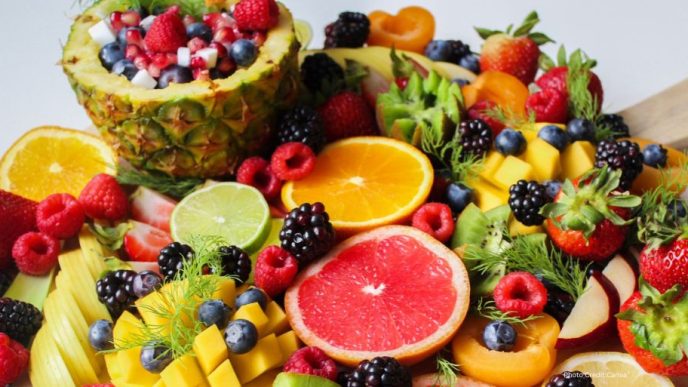
Including foods rich in polyphenols, such as blueberries, dark chocolate, and olives, may also provide protective benefits against liver diseases. Polyphenols are compounds that help combat oxidative stress and inflammation, both of which are critical factors in liver health. Incorporating a variety of these foods can enhance overall dietary quality and support liver function.
Herbs and Spices for Liver Protection
Herbs and spices can also contribute to liver health. Oregano, sage, and rosemary are not only flavorful but are rich in polyphenols, which may help reduce the risk of liver disease. Using these herbs in cooking can also diminish the need for added salt, promoting overall health benefits beyond liver protection. Other spices, such as cinnamon and curry powder, may also contribute positively to health outcomes when included in a balanced diet.
In summary, making informed dietary choices is essential for maintaining liver health. Prioritizing a diet rich in vegetables, whole grains, nuts, and healthful beverages while minimizing saturated fats, sugars, and alcohol can support liver function and reduce the risk of liver-related diseases. Simple adjustments in dietary habits can lead to significant long-term health benefits, making it imperative for individuals to consider their food choices carefully.