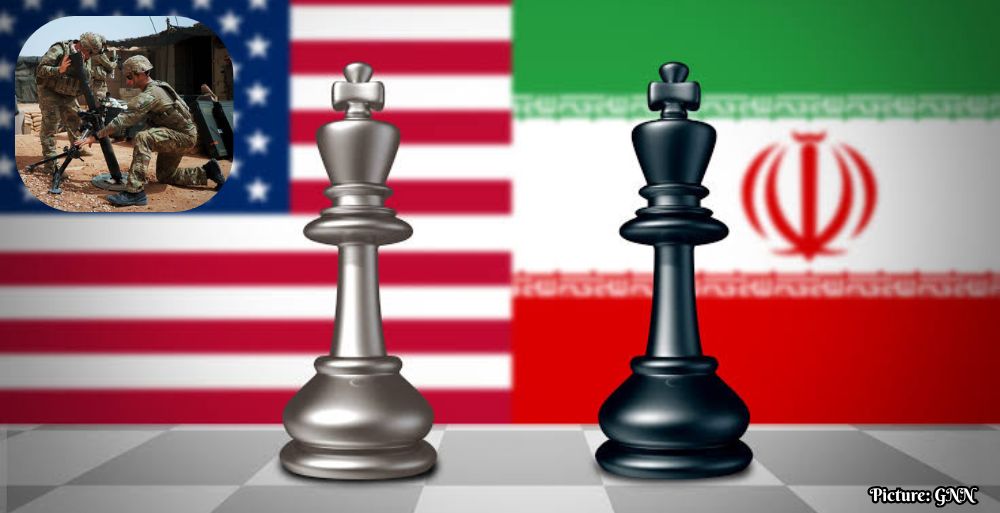
As the U.S. escalates its military involvement in the ongoing conflict with Iran, the nation’s strategic resources are at historically low levels, raising concerns about the implications for both domestic energy prices and international diplomatic relations.
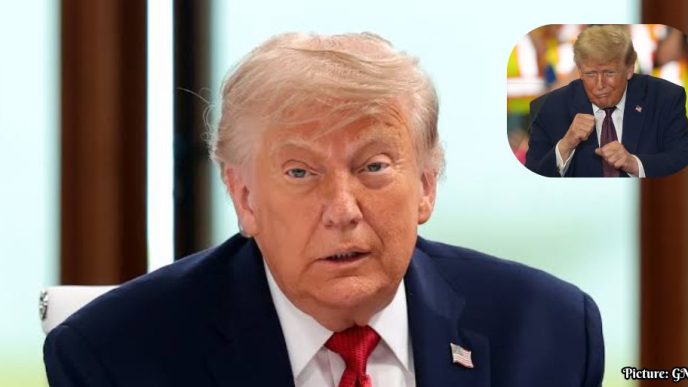
President Donald Trump has intensified military operations in Iran following a breakdown of the ceasefire earlier this month, marking a significant turn in the ongoing conflict. Since early July 2026, the situation has escalated sharply, with exchanges of fire occurring for over eleven consecutive days. This renewed violence has resulted in four American fatalities, bringing the total U.S. death toll to 18 since the war commenced in February 2026, alongside nearly 100 reported injuries, according to sources including the New York Times.
The current escalation occurs at a time when the United States finds itself in a notably weaker strategic position compared to earlier in the conflict. Among the most pressing concerns is the decline in the Strategic Petroleum Reserve (SPR), which the U.S. Department of Energy reported has fallen to approximately 311 million barrels. This marks the lowest level for the SPR since March 1983 and reflects ongoing efforts to manage domestic oil supply and stabilize prices amid the war, with the drawdown expected to conclude by late August or early September.
Economic Implications of Diminished Reserves
Max Pyziur, a director at the Energy Policy Research Foundation, highlighted that the ongoing release of oil from the SPR has played a critical role in maintaining lower prices at the fuel pump since the outbreak of hostilities. However, Pyziur cautioned that as the capacity to draw from the reserve diminishes, both the U.S. government and oil companies will need to seek alternative sources, including potential imports from Venezuela and Argentina. Such alternatives will necessitate the development of new infrastructure, a process he noted could take years, potentially leading to sustained high prices for consumers.
“The tools are running out,” Pyziur stated. “We could be facing a prolonged period with gasoline prices at four dollars per gallon and five dollars for diesel. Such conditions would likely impact the economy and could influence political outcomes, particularly for the Democrats.”
Additionally, Pyziur observed that recent reductions in oil imports by China have contributed to the suppression of global oil prices. However, should China return to pre-war import levels, the resulting increase in demand could significantly elevate prices, though he indicated that it remains uncertain whether China would resume those purchase levels.
Military Readiness and Stockpile Concerns
In conjunction with economic challenges, the state of U.S. military munitions has also come under scrutiny. Reports indicate that essential supplies, including drone and missile interceptors, were significantly depleted during the initial phase of the conflict. Anelle Sheline, a research fellow at the Quincy Institute for Responsible Statecraft, expressed concerns about the transparency of military resources, suggesting that Pentagon leaders may be reluctant to deliver unfavorable information regarding stockpile levels to President Trump.
“The situation is significantly worse this time,” Sheline remarked. “The average American may not realize the gravity of the situation, thinking it’s just another round of the war. However, the stakes are much higher this time.”
Escalation Risks and Diplomatic Breakdown
The conflict’s complexity has further increased with the involvement of the Houthis, an Iran-aligned group that has announced intentions to blockade Saudi Arabia. While the precise implications of this blockade remain uncertain, it indicates a significant expansion of the conflict’s scope and could destabilize the region further.
Perhaps the most critical issue is the erosion of trust in diplomatic negotiations between the U.S. and Iran. Sheline argues that this breakdown in confidence raises the likelihood of further escalation, potentially leading to targeted attacks on vital infrastructure, such as desalination plants that provide essential water supplies for both Iran and Gulf nations.
“The Iranians may be less inclined to engage diplomatically after being disappointed in the past,” Sheline stated. “This raises the risk of a humanitarian crisis that could have devastating consequences for both the Iranian population and Gulf states.”
As the conflict continues to evolve, the combination of reduced military resources, uncertain economic conditions, and a breakdown in diplomatic relations presents a challenging landscape for U.S. policymakers. The implications of these developments will likely resonate far beyond the immediate battlefield, affecting both regional stability and domestic political dynamics.
In summary, the U.S. faces a precarious situation as it escalates military actions in Iran while grappling with dwindling strategic resources. The interplay of military readiness, economic pressures, and the potential for further diplomatic failures poses significant risks not only to U.S. interests but also to broader regional security and humanitarian outcomes.