The House of Representatives has passed a resolution aimed at curtailing President Trump’s military actions in Iran, reflecting escalating concerns among lawmakers regarding U.S. engagement in the region amid rising casualties.
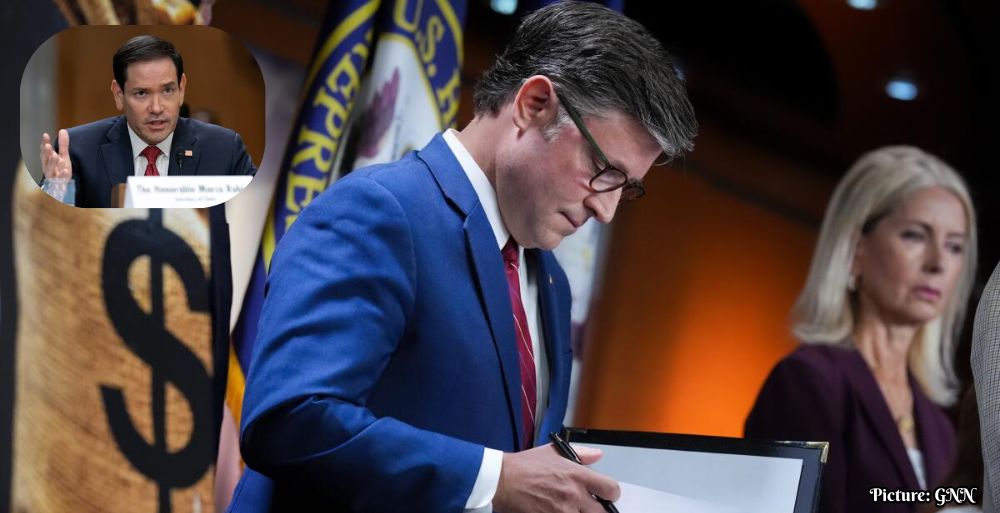
On Thursday, the House of Representatives voted 214-208 to pass a Democratic-backed war powers resolution designed to limit military actions against Iran by President Donald Trump. The resolution was sponsored by Representative Pramila Jayapal (D-Wash.) and garnered bipartisan support from four Republican lawmakers: Tom Barrett (Mich.), Warren Davidson (Ohio), Thomas Massie (Ky.), and Brian Fitzpatrick (Pa.).
This legislative move is set against a backdrop of increasing fatalities among U.S. military personnel, with reports indicating that eighteen service members have died since February 2026, when the United States and Israel initiated intensified military operations against Iranian targets. This alarming trend has prompted lawmakers to take action, signaling a growing concern over the administration’s military strategy.
Legislative Context and Motivations
Representative Jayapal articulated the moral imperative behind the resolution, stating on the House floor, “This is a vote of conscience. This is a vote that requires us to find the strength to do what is right for the American people, and to send the clearest, even stronger message to this president of the United States that the United States Congress, the House of Representatives, is reasserting our authority over war. This war must end.” Her remarks highlight a broader frustration among lawmakers regarding what they perceive as an unchecked executive power in military matters.
The passage of this resolution is emblematic of increasing bipartisan discontent with the Trump administration’s handling of military engagements in the Middle East. Both the House and Senate approved similar resolutions last month, indicating a consensus among lawmakers that the administration’s military operations lack a coherent strategy and clear objectives.
Bipartisan Support and Historical Precedents
The rare bipartisan support for the resolution is significant, particularly given the historical context of military engagements, which often draw sharp partisan divides. The same four Republican representatives who supported the current resolution had previously voted with Democrats in June for a war powers resolution aimed at limiting military actions in the region. Moreover, GOP Senators Rand Paul (Ky.), Susan Collins (Maine), Lisa Murkowski (Alaska), and Bill Cassidy (La.) expressed similar concerns by supporting a war powers resolution in the Senate during the same timeframe.
Senate Minority Leader Chuck Schumer (D-N.Y.) emphasized the urgent need for senators to confront the military situation in Iran, stating, “Every senator will have to make a choice. You cannot claim to support the troops while leaving them trapped in war with no mission and no end. You cannot call it a victory while the battlefield keeps expanding, and you cannot hide the wounded and call it peace.” Schumer’s remarks underscore the moral and ethical dilemmas faced by lawmakers as they navigate the complexities of U.S. military involvement abroad.
Recent Developments in U.S.-Iran Relations
The context surrounding the resolution includes a recent dignified transfer ceremony conducted by President Trump for the service members killed in the ongoing conflict. This solemn event took place in Jordan and Iraq, highlighting the human cost of military actions in the region. Such casualties have fueled public and legislative demand for a reassessment of U.S. military strategy.
In conjunction with these developments, President Trump issued a stark warning to Iran regarding attacks on commercial vessels in the strategically vital Strait of Hormuz, a major transit route for global oil shipments. In a post on Truth Social, Trump articulated his administration’s stance, declaring, “From this point forward, any time the Islamic Republic of Iran shoots at a ship in the Strait of Hormuz, whether it be by Missile, Rocket, Drone, or any other device or weapon, the United States will bomb and destroy ONE BRIDGE OR POWER PLANT, including those located next to, or in, the Capital City of Tehran.” This statement exemplifies the increasing tensions between the two nations and suggests a potential escalation in military confrontations.
Implications for U.S. Foreign Policy
The passage of the war powers resolution, coupled with the heightened rhetoric from the White House, raises significant questions about the future direction of U.S. foreign policy in the Middle East. As Congress continues to engage in debates over military authority and oversight, the implications for U.S. military strategy and diplomatic relations with Iran remain profound.
Lawmakers are likely to face mounting pressure to ensure that U.S. military engagements are conducted within the framework of Congressional approval, as mandated by the War Powers Resolution of 1973. This legislative development reflects a broader desire among lawmakers to reclaim their constitutional authority over military engagements, ensuring that any military action is not only justified but also aligned with U.S. strategic interests.
As the situation evolves, both Congress and the Trump administration will be under scrutiny regarding their responses to the ongoing challenges posed by Iranian military aggressions and the broader implications for regional stability. Observers will be watching closely to see how this conflict influences U.S. foreign policy decisions and military engagements moving forward.