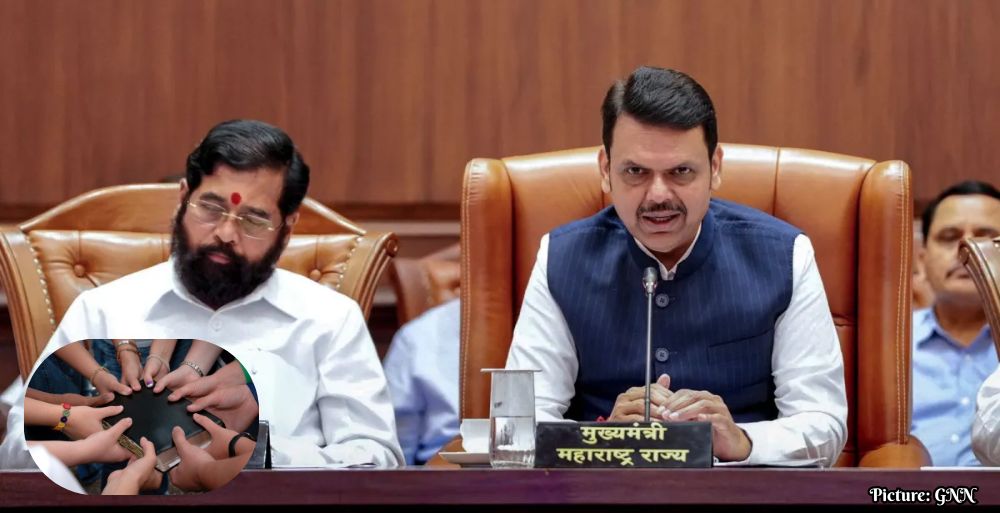
The Maharashtra government has ordered a comprehensive audit of land owned by Christian organizations, citing concerns over illegal encroachments and land fraud, a decision that has ignited fears among religious communities in the state.
On July 8, 2026, the Maharashtra state government announced a statewide audit targeting land parcels owned by churches and Christian missionary organizations. This initiative aims to identify illegal encroachments, disputed land titles, and unauthorized transfers that date back to the British colonial era. The announcement, made by Maharashtra’s Revenue Minister Chandrashekhar Bawankule during a session of the State Legislative Assembly, follows the discovery of an alleged land fraud scheme totaling 3 billion Indian rupees (approximately $31 million) related to a Christian organization in the Nashik region.
Details of the Audit
The audit, which is scheduled to be completed within three months, will involve high-powered committees tasked with meticulously examining land records pertaining to Christian organizations and churches. The inquiry will also extend to properties designated for charitable purposes, including schools and hospitals. According to the government’s statement, organizations possessing legally valid land titles will not incur penalties; however, any encroachments or violations identified during the audit may result in government actions that could significantly impact many properties.
Community Response and Concerns
The announcement of the audit has generated considerable anxiety within Christian communities across Maharashtra. Representatives within these communities have expressed concerns that the timing of this audit is closely aligned with a growing climate of intimidation directed at religious minorities. Reports have surfaced detailing an increase in disruptions at prayer meetings, incidents of hate speech, and various forms of harassment attributed to right-wing groups operating in the state.
Christian leaders have pointed out the recent passage of the Freedom of Religion Bill in March 2026, which many perceive as an anti-conversion law. They argue that this legislative development contributes to systemic pressures faced by religious minorities. In response to these concerns, groups such as “Mumbai for Peace” have actively sought engagement with local authorities, including the Mumbai police commissioner, to secure protection against ongoing harassment and misinformation campaigns targeting Christians. Pastor John D’Souza, a representative of the Mumbai for Peace initiative, remarked, “We are not against audits or checks on land ownership, but the timing and manner of this initiative suggest a targeted approach toward our community, which raises serious concerns for our safety and rights. The government must ensure that this process is transparent and fair.”
Implications of the Audit
The Maharashtra government has articulated that the audit is designed to reclaim or rectify irregularities concerning lands originally intended for charitable purposes. Specifically, the audit will scrutinize land records, leases, and ownership transfers dating back to the colonial period. The government has indicated that if disputed lands have been developed or allocated for public infrastructure, it will consult its legal department to determine the appropriate next steps.
Despite the government’s assurances, Christian leaders remain skeptical about the potential outcomes of the audit. They fear that the audit could lead to increased scrutiny and the possible demolition of church properties. Recent reports indicate that revenue authorities have already targeted unauthorized church buildings in the Dhule and Nandurbar districts for demolition, raising alarm that similar actions could extend to other regions of the state under the guise of the audit. Father Michael Rodrigues, a prominent figure in the local Christian community, expressed his concerns, stating, “We are deeply worried that this audit will be used as a tool for further marginalization of our community under the pretext of legality. We urge the government to prioritize dialogue and respect for religious freedom.”
Wider Political Context
Concerns regarding the implications of this audit extend beyond Maharashtra. Christian leaders in other states governed by the Hindu-nationalist Bharatiya Janata Party (BJP) have voiced apprehensions that similar audit orders could be enacted in their jurisdictions. The broader context of rising communal tensions and legislative actions targeting religious minorities has prompted calls for vigilance among advocacy groups and community leaders nationwide.
The developments in Maharashtra underscore the intersection of land rights, religious freedom, and political dynamics in India, prompting a critical examination of how such audits can impact community relations, religious freedoms, and the legal landscape surrounding property rights for religious organizations. As the audit unfolds, its ramifications will likely be scrutinized both regionally and nationally, particularly concerning the treatment of religious minorities in a politically charged environment.
In conclusion, the Maharashtra government’s audit of Christian properties raises significant questions about the balance between land regulation and the protection of religious freedoms. As the situation develops, stakeholders from various sectors, including legal experts, community leaders, and political analysts, will be closely monitoring the outcomes to ensure that the rights of all citizens, regardless of their faith, are upheld in this process.