A conversation at the Forbes Iconoclast event highlights a significant transformation in Hollywood, where talent is increasingly becoming empowered to shape their own careers amidst a changing audience landscape.
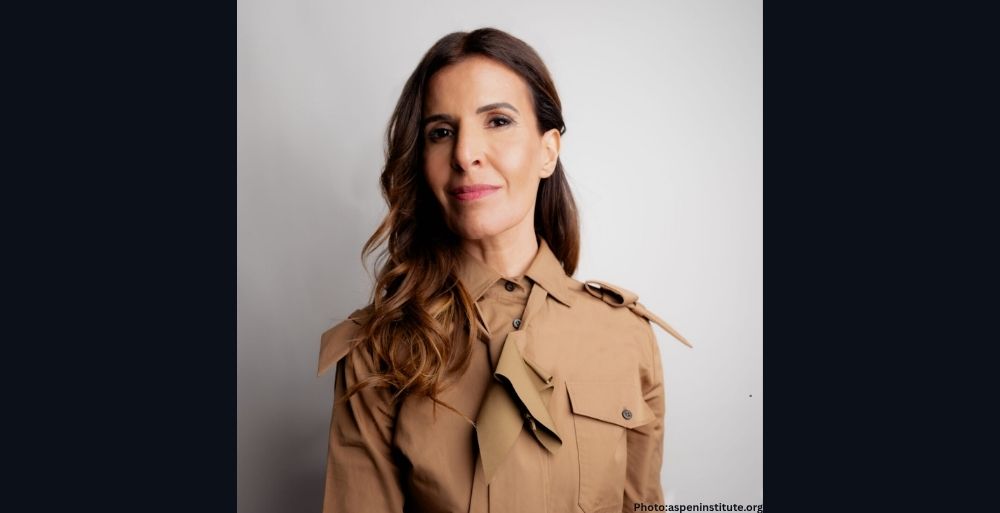
NEW YORK – At the Forbes Iconoclast event held last week, Maha Dakhil, managing director and motion picture agent at Creative Artists Agency (CAA), articulated a transformative moment in the Hollywood film industry. Dakhil characterized the current landscape as a ‘revolution,’ suggesting that individuals with talent and ambition are increasingly becoming the ‘masters of their destiny.’ This shift, she argues, is indicative of a broader trend in which creators are gaining more control over their narratives and the means to reach audiences.
Dakhil, who counts high-profile talents such as Tom Cruise among her clients, pointed to the unexpected success of recent horror films, including “Obsession” and “Backrooms,” as evidence of this paradigm shift. She noted, “You’re catching the movie business in the middle of a revolution these last few weeks with these horror movies that have driven up the box office week to week and usually there’s a drop in box office.” This observation underscores a significant trend in audience engagement, where films traditionally viewed as niche are now capturing widespread attention.
Emerging Trends in Audience Preferences
During her remarks, Dakhil emphasized that these films resonate deeply with viewers, stating, “These are not meaningless horror movies.” She elaborated that they offer new and revelatory insights into the human condition, reflecting a growing desire among audiences for substantive narratives that resonate with their experiences. This sentiment is echoed in the broader film industry, where there appears to be a movement away from formulaic stories toward innovative and authentic storytelling.
Additionally, Dakhil indicated that the current landscape enables creators to thrive without the backing of traditional studios. “We just need talent and courage,” she asserted, highlighting the potential for independent creators to bring innovative ideas to fruition without the constraints of established industry structures. This empowerment of talent is central to the ongoing transformation within Hollywood, as it allows for diverse voices and unconventional narratives to emerge.
The Role of AI and Audience Trust
The discourse also addressed the implications of artificial intelligence (AI) in filmmaking. Dakhil stressed the importance of building trust with audiences, particularly as they become increasingly wary of content that appears manufactured or overly produced. She cited Tom Cruise as a prime example of an artist who has successfully established a social contract with his audience, ensuring that they feel confident about the value of their movie tickets. “You know that he’s going to really deliver and earn your movie tickets,” she stated, emphasizing the significance of reliability in maintaining audience loyalty.
Conversely, Dakhil observed a growing backlash against content that relies heavily on AI or CGI effects, as well as franchises perceived as repetitive and uninspired. “People actually are more excited about analog, real experiences,” she remarked, highlighting a shift towards narratives that prioritize human connection and artistic integrity. This trend suggests that audiences are increasingly favoring stories that showcase genuine artistry rather than digital manipulation, reflecting a desire for authenticity in cinema.
Engaging with Gen Z Audiences
Dakhil’s comments also explored the relationship between Hollywood and Generation Z, a demographic that some industry insiders view with apprehension. However, she expressed admiration for this generation, stating, “I love Gen Z because they’re alive, they’re present, and they are peer to peer.” Dakhil noted that their expectations are reshaping the industry, urging traditional studios to meet them where they are. “They’re the consumers that are driving the business right now,” she asserted, underscoring the pivotal role of Gen Z in influencing current trends and the future direction of the film industry.
As the industry navigates these changes, Dakhil remains optimistic about the future, suggesting that an increasing number of creators are breaking free from conventional constraints. “We are seeing that we don’t even need studios to greenlight ideas; we just need talent and courage,” she reiterated, encapsulating the essence of the ongoing revolution in Hollywood.
Moderated by Forbes Chief Content Officer Randall Lane, the discussion also featured insights from Liberty Media Corp. President and CEO Derek Chang and Condé Nast CEO Roger Lynch. Their collective observations underscore the dynamic and evolving nature of the film industry as it adapts to shifting audience expectations and technological advancements. The conversation highlighted the importance of understanding audience preferences and the evolving landscape of the entertainment industry in the age of digital content and changing consumer behavior.
In conclusion, the remarks made by Dakhil at the Forbes Iconoclast event provide a window into a transformative period within Hollywood. As audiences demand more authentic and engaging content, the industry appears poised for significant change, with talent increasingly empowered to shape their own narratives and reach audiences in innovative ways. This moment of transition may redefine not only how films are made but also how they are received, marking a new chapter in the history of cinema.