Alphabet Inc.’s decision to sell $80 billion in shares to enhance its artificial intelligence infrastructure has raised significant discussions regarding its implications for the capital markets, according to Goldman Sachs International’s co-CEO Anthony Gutman.
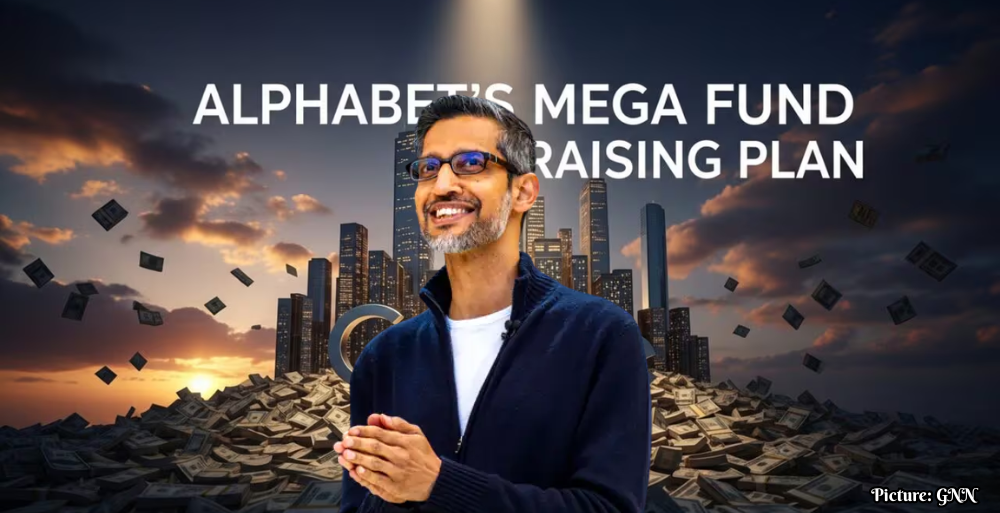
Alphabet Inc., the parent company of Google, has unveiled plans to raise $80 billion through equity offerings aimed at bolstering its artificial intelligence (AI) initiatives. This announcement, made on Monday, marks a critical moment in the tech industry, emphasizing Alphabet’s commitment to maintaining a leading edge in a rapidly evolving technological landscape.
In an exclusive interview with CNBC on Wednesday, Anthony Gutman, co-CEO of Goldman Sachs International, described the scale of Alphabet’s offering as placing the market in “unprecedented territory.” He emphasized the cautious optimism that accompanies such a large issuance of equity, highlighting the need for a balanced approach in navigating this new landscape. “Let’s start by saying this is unprecedented territory, so we all enter it with a degree of humility and caution, and the right balance of focus,” Gutman stated.
Allocation of Funds and Strategic Partnerships
According to Alphabet’s statement, a significant portion of the raised funds, amounting to $10 billion, will be allocated to Berkshire Hathaway, led by Greg Abel. This partnership is designed to enhance investments in AI compute infrastructure, which Alphabet cites as necessary to meet what it describes as “unprecedented customer demand” for AI technologies. This collaboration with Berkshire Hathaway underscores the importance of strategic partnerships in expanding technological capabilities and responding effectively to market needs.
Goldman Sachs, along with JPMorgan Chase and Morgan Stanley, is serving as joint book-running managers for the underwritten offerings. Goldman is also acting as the placement agent for the private placement, indicating a strong commitment from leading financial institutions to support Alphabet’s ambitious plans. Such backing from formidable investment firms is a testament to the perceived potential of Alphabet’s AI strategies, which are increasingly seen as pivotal in the global tech landscape.
Market Implications and Future Prospects
Gutman noted that the issuance reflects a broader trend in the capital markets, which appears poised for a record-breaking year. He commented, “There is a lot of demand out there for significant equity issuance, and as a percentage of the total equity market capitalization, it looks very manageable.” This perspective suggests a robust appetite for investments in innovative technologies, particularly in sectors like AI, as companies seek to leverage advancements in machine learning, natural language processing, and other AI applications.
The timing of Alphabet’s announcement aligns with a wave of anticipated initial public offerings (IPOs) within the tech sector. Notably, SpaceX’s upcoming IPO, scheduled for June 12, is expected to generate considerable interest, with the company targeting a staggering valuation of $1.75 trillion on the Nasdaq. Should this IPO proceed as planned, it could become the largest in history, further illustrating the dynamic nature of capital markets today. The potential for such high-profile tech IPOs may serve to amplify investor interest in Alphabet’s offerings.
In addition to SpaceX, other companies such as OpenAI and Anthropic have also signaled their intentions to go public later this year. This trend indicates a growing confidence among tech firms to seek public investment as they scale their operations and innovate within the AI landscape. The involvement of these firms in the public market could reshape the investment strategies of numerous stakeholders, from institutional investors to retail shareholders.
Expert Insights on Market Dynamics
Gutman expressed optimism about the future of these companies, stating, “We’re excited about it. These are exceptional companies, so they should be able to raise this capital if they navigate the path appropriately.” His remarks reflect a belief that as long as these companies effectively manage their public offerings and align with market demand, they will successfully attract investment. The implication is that navigating the complexities of public financing will be a critical determinant of success for these emerging tech giants.
This moment in the financial landscape reflects a convergence of technological advancement and financial opportunity, as major players in the tech industry seek to leverage investor capital to drive innovation. Alphabet’s substantial equity offerings are not merely a corporate maneuver; they represent a strategic response to a rapidly changing technological environment, characterized by heightened competition and consumer demand for AI solutions.
The implications of such large-scale equity offerings extend beyond Alphabet, potentially influencing market dynamics and investor sentiment across the technology sector. As Alphabet moves forward with its plans, the industry will be closely monitoring the reactions of investors and the performance of these equity offerings. The outcome could set a precedent for future capital raises in the tech sector, particularly for companies engaged in AI and other emerging technologies.
In conclusion, Alphabet’s $80 billion equity offering signifies more than just a financial undertaking; it represents a pivotal moment for the tech industry and a reflection of the current state of the capital markets. With significant funds earmarked for technological innovation, the potential pathways for growth and development in AI are vast, promising an exciting future for both investors and consumers alike.