Israel and Lebanon have reached a conditional ceasefire agreement, contingent upon Hezbollah ceasing its attacks and withdrawing its operatives from southern Lebanon, following mediation by U.S. officials.
In a significant development for Middle Eastern diplomacy, Israel and Lebanon have agreed to a ceasefire that is conditional upon Hezbollah’s compliance with specific terms. Announced on Monday, this ceasefire follows two days of negotiations facilitated by U.S. officials at the State Department, reflecting a complex interplay of regional security dynamics and international diplomacy.
Context of the Ceasefire Agreement
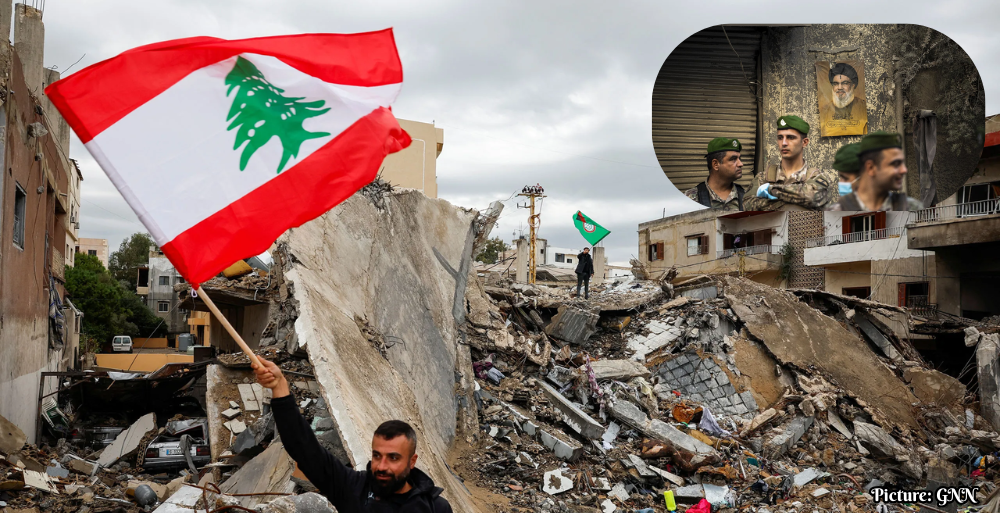
The agreement emerges in a context of escalating tensions, particularly following Hezbollah’s recent military actions, including drone and missile strikes directed at Israel. These actions have heightened fears of a broader conflict, prompting urgent calls for de-escalation from various international stakeholders. The ceasefire not only aligns with Hezbollah’s previously expressed willingness to agree to a halt in hostilities but also responds to demands made by Iranian officials during ongoing negotiations with the Trump administration regarding a comprehensive peace agreement aimed at ending violence in the region.
U.S. Mediation and Intervention
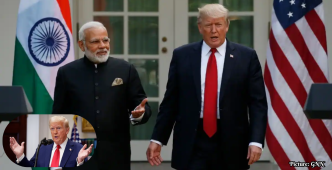
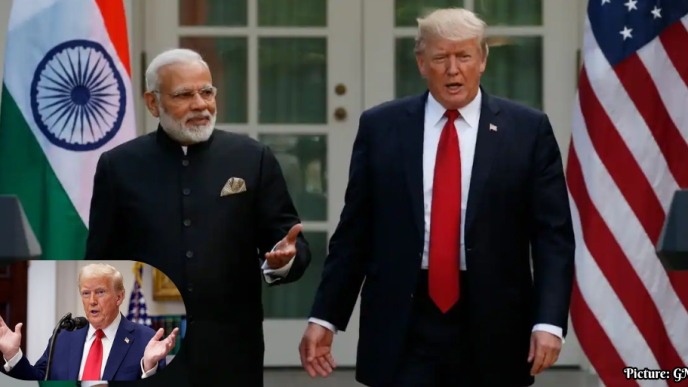
On the day the ceasefire was announced, President Donald Trump intervened to halt Israel’s plans for extensive military strikes against Beirut, which had been proposed as retaliation for Hezbollah’s recent aggression. Reports indicate that during a tense phone call with Israeli Prime Minister Benjamin Netanyahu, Trump expressed strong disapproval of the planned military actions, urging restraint. This intervention reflects not only the U.S.’s strategic interests in the region but also the complexities of U.S.-Israel relations, particularly in the context of ongoing hostilities.
The partial ceasefire arrangement that emerged from this intervention stipulates that Israel would refrain from attacking Beirut, conditioned upon Hezbollah ceasing its operations targeting Israeli border settlements. However, reports indicate that Hezbollah conducted several drone strikes against Israeli positions within 48 hours of the ceasefire announcement, raising concerns about the group’s commitment to the agreed terms.
Details of the Ceasefire Terms
The ceasefire agreement was reached after intensive discussions mediated by U.S. officials, which culminated in a joint statement outlining the terms of the ceasefire. A significant aspect of this agreement involves the establishment of “pilot zones” in southern Lebanon, where the Lebanese Armed Forces will assume exclusive control. This arrangement is designed to ensure the complete withdrawal of Hezbollah operatives from these areas, while the Israel Defense Forces (IDF) will also withdraw from the designated zones.
The joint statement emphasized the importance of these steps in progressing toward a broader peace and security agreement between Israel and Lebanon. Both parties reaffirmed their commitment to independently resolve outstanding issues and rejected any external influences, affirming that the future relationship between Israel and Lebanon must be determined by the two sovereign governments.
Next Steps and Future Engagements
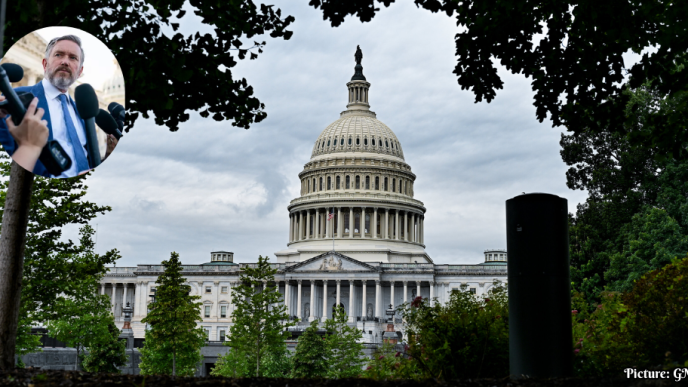
Looking ahead, Israel and Lebanon have committed to fostering a non-hostile relationship, with plans to continue direct negotiations aimed at building confidence and addressing unresolved issues. The next round of talks is scheduled for June 22 in Washington, D.C., where both parties will seek to advance discussions toward a comprehensive agreement. The international community is closely monitoring these developments, as Hezbollah’s actions in the wake of the ceasefire will be crucial in determining the stability of the accord.
Implications for Regional Stability
The implications of this ceasefire extend beyond immediate security concerns for Israel and Lebanon. The agreement also plays into the broader geopolitical landscape of the region, especially regarding Iranian influence and ongoing U.S.-Iran negotiations. Iran has long supported Hezbollah, viewing the militia as a strategic ally in its regional endeavors. Thus, the success or failure of this ceasefire could significantly impact Iran’s role in Lebanon and its relations with both the U.S. and Israel.
As negotiations progress, the potential for increased diplomatic engagement between Israel and Lebanon could pave the way for a more stable regional environment. However, skepticism remains concerning Hezbollah’s compliance with the ceasefire terms, necessitating careful management of the situation by all parties involved to prevent a return to conflict.
Conclusion
The conditional ceasefire between Israel and Lebanon marks a pivotal moment in regional diplomacy, reflecting the complexities of Middle Eastern politics. As both nations navigate their relationship amidst external pressures and internal dynamics, the coming weeks will be critical in determining whether this agreement can lead to lasting peace or if tensions will escalate once again.