
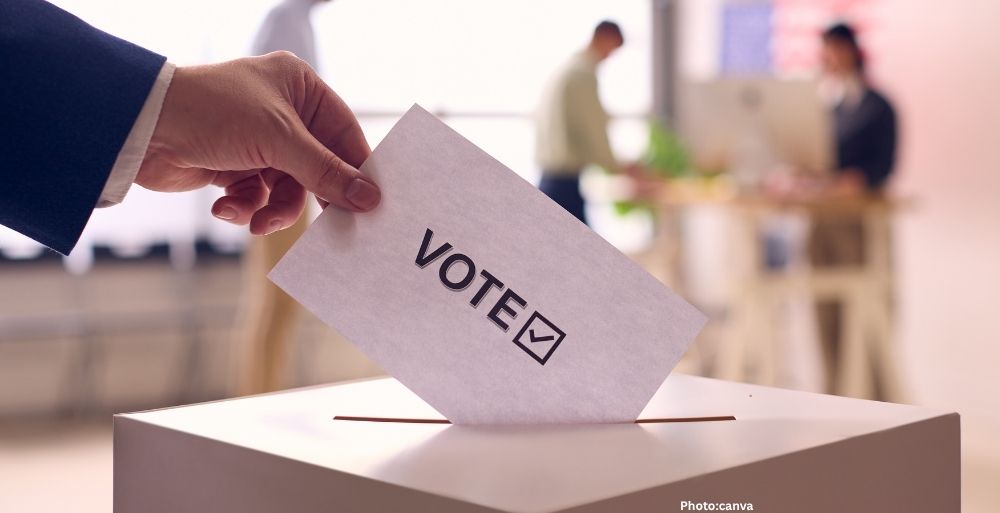
The upcoming midterm elections on November 8, 2022, are shaping up to be highly competitive, with recent polling indicating a potential shift in congressional control influenced by voter concerns over economic performance, public health, and social policies.
As the United States prepares for the midterm elections scheduled for November 8, 2022, a recent analysis of polling data reveals a fiercely competitive political landscape that could significantly influence the balance of power in Congress. With both the House of Representatives and the Senate in play, major parties are ramping up their campaigns in an effort to sway undecided voters.
A series of polls conducted by organizations such as Gallup and the Pew Research Center illustrate that the Democratic Party faces considerable challenges in key battleground states, while also striving to retain support in historically favorable districts. Republican candidates appear to be gaining momentum, particularly in pivotal states like Pennsylvania, Georgia, and Arizona, where razor-thin margins are anticipated in the upcoming elections.
Polling Insights
A recent Quinnipiac University poll indicates that 49% of likely voters support Republican candidates, while 45% back Democrats. This marks a significant shift from previous months, during which Democrats maintained a slight edge. Economic issues, especially inflation, dominate voter concerns, with 68% of respondents believing the economy is on the wrong track. This widespread dissatisfaction with economic conditions could play a pivotal role in determining electoral outcomes, as historical trends suggest that economic performance often drives voter behavior.
Alongside economic concerns, public health remains a central issue as the nation continues to grapple with the repercussions of the COVID-19 pandemic. Approximately 57% of the electorate prioritizes public health policies when casting their votes. Democrats are capitalizing on this concern by advocating for expanded healthcare access and increased funding for public health initiatives, while Republicans are focusing on personal freedoms and reducing government mandates that they argue infringe upon individual rights.
Key Issues at Stake
As the political discourse intensifies, social issues such as abortion rights, gun control, and immigration reform have emerged as critical focal points. The Supreme Court’s recent decision to overturn Roe v. Wade has mobilized voters, particularly among younger demographics, with organizations like Planned Parenthood and the American Civil Liberties Union actively campaigning to inform voters about state-specific ballot measures that could either protect or restrict reproductive rights.
Conversely, Republican candidates are emphasizing their stances on crime and public safety, advocating for tougher law enforcement measures in response to rising crime rates in certain urban areas. Ronna McDaniel, Chairwoman of the Republican National Committee, stated, “Voters are looking for leadership that prioritizes their safety and security, and they are turning to Republicans to deliver that message.” This focus on safety aligns with broader concerns among voters who are increasingly worried about crime levels in their communities.
Candidate Strategies
Strategies employed by candidates from both parties reflect the urgency of the electoral landscape. Democrats are concentrating on grassroots mobilization, engaging with communities to emphasize the importance of voting rights, particularly in light of recent state-level legislative changes that have sought to limit access to the ballot. In contrast, Republicans are leveraging digital platforms for targeted advertising and outreach, aiming to harness voter dissatisfaction with the current administration’s policies.
The stakes are particularly high in the Senate, where 34 seats are up for election, including several held by vulnerable Democrats. Senators Mark Kelly of Arizona and Raphael Warnock of Georgia are facing formidable challenges from Republican opponents. The outcomes in these races are crucial, as both parties understand that the results could dictate the legislative agenda for the next two years.
Implications for Future Policy
A potential shift in congressional control carries significant implications for future policy decisions, especially regarding budgetary allocations, healthcare reforms, and climate change initiatives. Should Republicans gain control, a reevaluation of current spending priorities could ensue, possibly halting many of the Biden administration’s proposed initiatives. Conversely, if Democrats succeed in retaining control, they may advance their agenda on climate policy and social issues, which have garnered increased attention in recent years.
As the midterm elections approach, voters are encouraged to engage actively in the democratic process by educating themselves about the candidates and the issues at stake. With early voting set to commence in many states, the forthcoming weeks will be critical for both parties as they strive to solidify their support and mobilize their bases for what promises to be a consequential election.
The implications of the midterm elections extend beyond immediate party control, potentially shaping the political landscape for years to come. Analysts and political observers are closely monitoring voter turnout, demographic shifts, and key issues that resonate with the electorate as indicators of future trends in American politics.