The ongoing Ebola outbreak in Central Africa has highlighted the ramifications of the Trump administration’s significant cuts to global health programs and its withdrawal from key international health organizations. Experts warn that these reductions have hampered the U.S. response to infectious disease outbreaks.
The Ebola outbreak affecting Central Africa marks a critical public health emergency as the international community grapples with the effects of the United States’ diminished role in global health initiatives. This outbreak is the first of its scale since the Trump administration made sweeping cuts to health programs and initiated a withdrawal from the World Health Organization (WHO), effective January 2021.
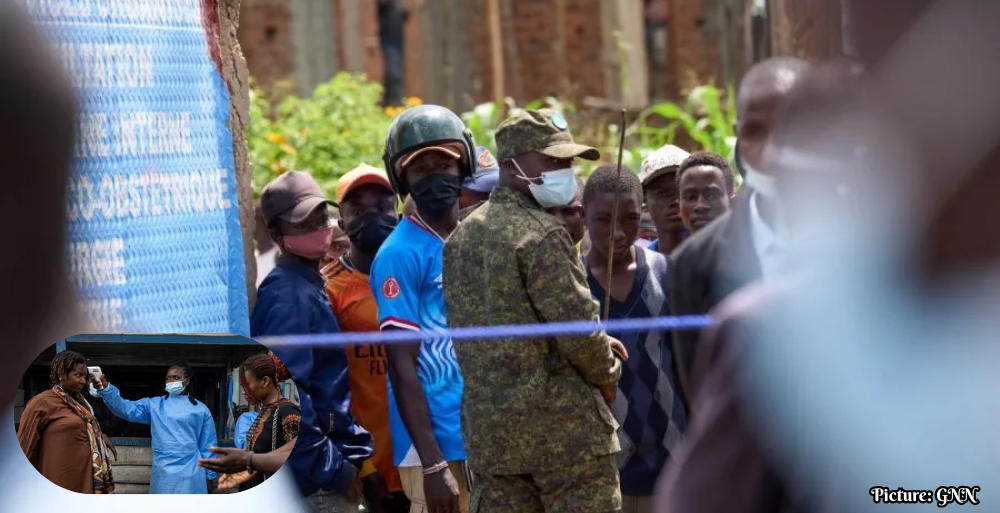
As of now, more than 500 suspected cases of the Bundibugyo strain of the Ebola virus disease have been reported in the Democratic Republic of the Congo (DRC). The WHO has classified the situation as a public health emergency of international concern, a designation underscoring the potential global threat posed by this outbreak.
U.S. Withdrawal from Global Health Initiatives
Experts in public health and infectious diseases have expressed concern that the significant budget cuts and organizational downsizing implemented by the U.S. Agency for International Development (USAID) have directly impacted the country’s ability to respond effectively to such outbreaks. Jen Kates, senior vice president and director of the Global and Public Health Policy Program at the Kaiser Family Foundation, stated, “The fact that the U.S. has significantly scaled back, reduced its funding, reduced its footprint, or reduced the number of staff does affect the response.” She further clarified, “I wouldn’t say that this has contributed to the start of this outbreak, but the loss of infrastructure and capacity is going to take a toll, and that can impact the ability to respond.”
In mid-2020, USAID ceased operations in response to budgetary constraints, marking a drastic shift in the U.S.’s approach to global health. Historically, USAID has been a leader in managing responses to health crises; during the 2018 Ebola outbreak in the Congo, USAID was at the forefront of the U.S. response. In 2024, the agency allocated approximately $12.7 billion, or nearly one-third of its global foreign assistance, specifically to sub-Saharan Africa.
Current U.S. Response to the Outbreak
Despite these challenges, the U.S. government has mobilized resources to address the current outbreak. The State Department announced the allocation of $23 million in emergency funding to the DRC and Uganda, which includes support for up to 50 treatment clinics. However, experts like Kates caution that even with funding, the overall capacity for response has been diminished due to the loss of personnel and expertise that USAID previously provided.
Satish Pillai, incident manager for the CDC’s Ebola response, emphasized the agency’s ongoing commitment to addressing the outbreak. In a recent press briefing, he stated, “CDC has had a longstanding relationship and engagement with the Ministry of Health. We have a country office, and we work through our implementing partners.” Pillai highlighted the importance of existing relationships built over two decades in facilitating the U.S. response, which includes support for contact tracing and infection prevention.
Challenges Faced by Local Organizations
Local and international organizations operating in the DRC have also reported challenges resulting from the U.S. withdrawal. Abraham Leno, director of government relations for the humanitarian organization Alight, noted that the reduction in U.S. support has disrupted the training and operational capability of many organizations dependent on U.S. funding for critical services, including contact tracing and preventive measures.
Leno remarked, “It has disrupted the ability for that contact tracing to happen, for those preventive activities to be mounted very well. That’s not only the result of the loss of USAID; that’s just the chaos and insecurity of the country.” He added that the reduction in funding has “squeezed” the ability of other partners to provide essential resources, such as personal protective equipment, which are crucial during an outbreak.
Furthermore, Leno emphasized that the loss of USAID signifies more than just a financial shortfall; it represents a loss of critical partnerships and collaborative efforts that were essential for effective outbreak response. “What USAID provided, the U.S. government provided, is not just the funding. It’s also the capability that it formed with credible alliances and credible partnerships that were formed with other governments,” he said.
The current health crisis serves as a stark reminder of the implications that reduced U.S. engagement in global health initiatives can have on international public health efforts. As the Ebola outbreak continues to unfold, the effectiveness of the U.S. response will be closely monitored by public health experts and international observers alike.