Pope Leo XIV’s encyclical ‘Magnifica Humanitas’ emphasizes the importance of prioritizing human dignity and ethical considerations in the face of rapid advancements in artificial intelligence.
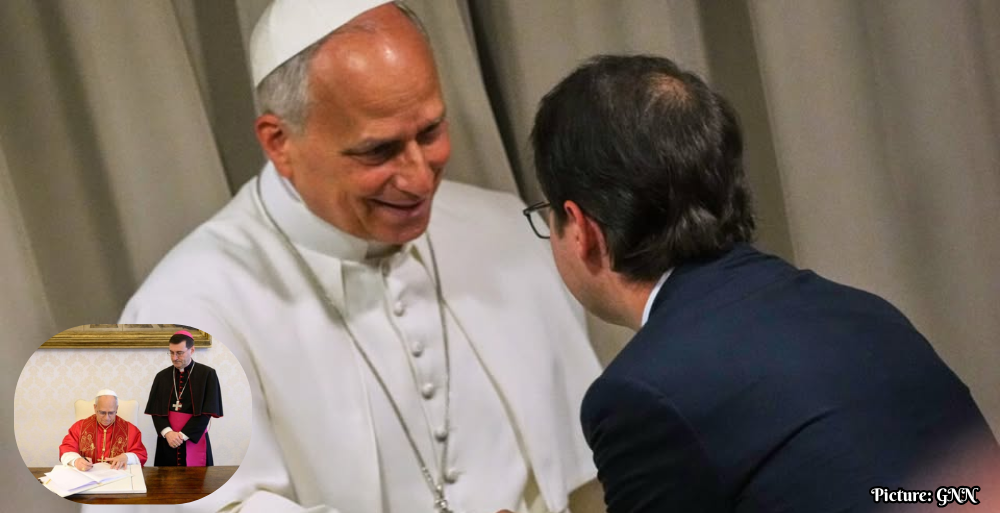
Pope Leo XIV, the first American pontiff, issued a significant encyclical titled ‘Magnifica Humanitas’ on May 25, 2026, addressing the ethical implications of artificial intelligence (A.I.) and the necessity of safeguarding human dignity amid technological advancements. This letter coincides with the 135th anniversary of Pope Leo XIII’s encyclical ‘Rerum Novarum,’ which focused on labor rights during the Industrial Revolution, highlighting the historical continuity of the Catholic Church’s engagement with pressing socio-economic issues.
The encyclical comprises approximately 42,300 words and is directed towards the world’s 1.4 billion Catholics, as well as the broader global community. In it, Pope Leo XIV delineates several critical themes regarding the relationship between humanity and emerging technologies, particularly A.I., which is poised to transform various aspects of everyday life.
A.I. as a Tool, Not a Replacement for Humanity
One of the primary assertions in ‘Magnifica Humanitas’ is that A.I. should not be mischaracterized as human intelligence. The pope argues that while A.I. systems can replicate certain cognitive functions and even outperform humans in specific tasks, they fundamentally lack the experiential qualities that define human existence. According to Pope Leo XIV, A.I. does not possess a body, cannot experience emotions, and is devoid of the relational understanding intrinsic to humanity. He states, “These systems merely imitate certain functions of human intelligence,” emphasizing that their capabilities are rooted in data processing rather than genuine understanding or consciousness.
The Dignity of Labor in an Automated Future
Pope Leo XIV addresses the ongoing transformation of the labor market, driven by automation and the integration of A.I. technologies. He highlights the pressing need to assess these changes not solely through the lens of efficiency but through the lens of worker dignity and fair compensation. The encyclical notes that many entry-level jobs have already been displaced by automation, with the potential for further disruption across various sectors.
In echoing the sentiments of his predecessors, including Pope John Paul II, Leo XIV insists that the dignity of the worker must remain central to any new economic framework. He condemns what he terms “new forms of slavery” within the digital economy, pointing to underpaid workers engaged in data processing and the hazardous conditions faced by those extracting materials necessary for technology. He poignantly remarks, “The bodies of these people are scarred, injured and worn down so that computational flow may continue uninterruptedly.”
The Value of Human Dignity
Throughout the encyclical, the pope repeatedly emphasizes the inherent value of each individual, a theme encapsulated in his assertion that “the value of persons does not depend on what they achieve or produce.” This principle underlines the notion that human rights are universal and inalienable, regardless of one’s economic contributions. The concept of dignity appears over 100 times in the text, reflecting its centrality to the pope’s message.
A Call Against Uniformity and for Diversity
Pope Leo XIV invokes the biblical story of the Tower of Babel as a metaphor for the current technological landscape, warning against the dangers of pursuing a homogenized global culture driven by A.I. He urges collective efforts towards the common good rather than the construction of another “Tower of Babel,” which symbolizes an overreach of human ambition. This biblical reference serves as a caution against the pitfalls of uniformity, advocating instead for a diverse and humble approach to technological development that respects the complexities of human experience.
Concrete Recommendations for the Future
The encyclical also addresses practical concerns, drawing on psychological and psychiatric research to highlight the negative effects of early exposure to digital devices on child development. Pope Leo XIV emphasizes the need for responsible regulation of technology, particularly concerning data ownership and the implications of A.I. in warfare. The document serves as a pastoral guide aimed at families, encouraging reflection on the role of technology in their lives while advocating for the protection of children from exploitation and harm.
The Essence of Humanity
In closing, Pope Leo XIV affirms the beauty and potential of human life, stating that technological advancements should not eclipse the essence of humanity. He expresses a profound affection for human beings, recognizing their vulnerabilities alongside their strengths. The encyclical culminates in a hopeful vision for the future, one that prioritizes the relational and loving aspects of human existence amid the challenges posed by technological progress. The pope’s message resonates with a call to action: to embrace technology that alleviates suffering while ensuring that the core values of humanity remain intact.