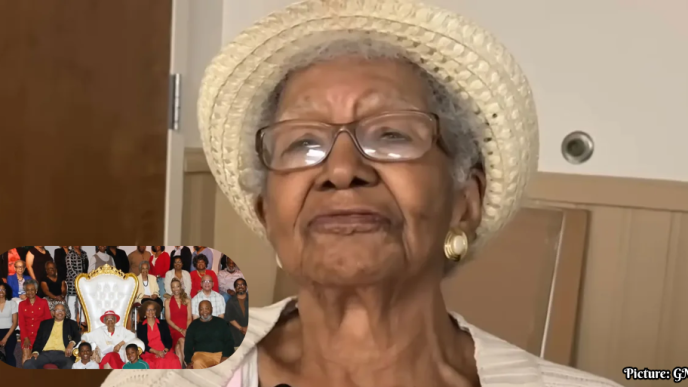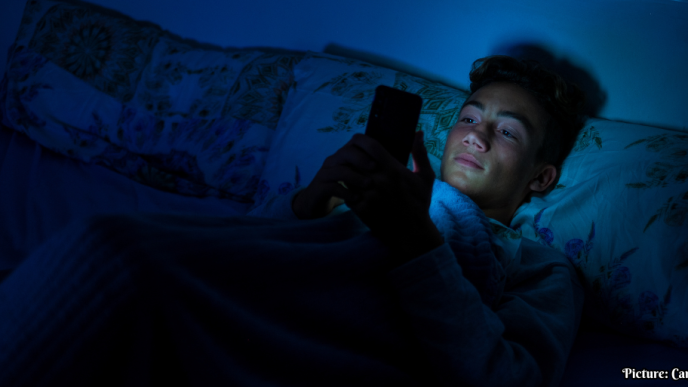

A recent exploration into the emotional experiences of older adults reveals that feelings of loneliness are most acutely felt in the hour following a meaningful phone call, highlighting a complex relationship between connection and solitude.
Research has indicated that older adults often experience a unique form of loneliness that surfaces not during times of solitude but in the aftermath of meaningful interactions, particularly phone calls. This phenomenon, observed by psychologists and caregivers alike, suggests that the emotional contrast between connection and silence can lead to profound feelings of emptiness once the conversation has ended.
For instance, consider a scenario where an elderly individual engages in a lengthy, heartfelt phone call with a family member. The conversation, filled with shared experiences and laughter, serves as a temporary balm for feelings of isolation. However, once the call concludes, this individual may find themselves grappling with a heightened sense of loneliness. The laughter and connection dissipate, leaving behind a stark silence that can feel overwhelming.
The Contrast Effect
Experts refer to this post-call emotional state as the ‘contrast effect.’ During the phone call, the elderly person’s home is infused with the voice and presence of their loved one. The ensuing silence after the call can feel disproportionately loud, often triggering a sense of loss that lingers for up to an hour. This experience can be particularly pronounced after longer, more meaningful conversations, where the emotional investment is higher. For many older adults, the deeper the connection during the call, the greater the sense of emptiness that follows.
One poignant observation highlights that the shorter, more casual phone calls do not elicit the same emotional response. A brief check-in with a busy child, for example, might not leave a lasting impression, whereas a longer conversation with a sibling can amplify feelings of solitude once it concludes. This phenomenon reflects a broader pattern observed in the lives of older adults, where the absence of in-person interactions significantly heightens feelings of loneliness.
The Role of In-Person Interaction
Research supports the notion that in-person social interactions provide a level of emotional sustenance that phone calls cannot replicate. While a phone conversation can convey affection and connection, the physical presence of another person offers a different kind of comfort and companionship. As older adults age, the diminishing availability of these in-person connections exacerbates feelings of loneliness, as many find their social circles shrinking due to various factors, including relocation, health issues, or the death of peers.
Moreover, as individuals age, their household dynamics often change. Where once a bustling family home might have provided a backdrop for social interaction, many older adults find themselves living alone or in quieter environments. The shift from a lively household to a more solitary existence can make the silence even more pronounced after a phone call, leading to an increased emotional toll.
Avoidance and Its Implications
As a coping mechanism, some older adults may unconsciously begin to avoid phone calls altogether. This is not a reflection of a lack of love or interest in their family; rather, it stems from the desire to sidestep the emotional fallout that follows these conversations. The anticipation of feeling lonely after a meaningful call can lead individuals to opt for shorter, less substantial interactions or to delay calls until they feel better equipped to handle the emotional aftermath.
This behavioral shift speaks volumes about the psychological cost associated with maintaining familial connections in later life. Understanding this dynamic is crucial for families and caregivers who wish to support older adults in fostering meaningful relationships without triggering feelings of distress.
Addressing the Loneliness Gap
While acknowledging the complexities of this emotional landscape, it is essential to recognize that the solution is not to eliminate phone calls but rather to enhance the quality of social interactions. Older adults may benefit from increased in-person visits or community engagement activities that can help fill the void left by phone conversations. Encouraging regular gatherings with friends and family or participation in local groups can provide the companionship that phone calls alone cannot fulfill.
Moreover, fostering a culture of empathy and understanding around these feelings can help alleviate some of the emotional weight associated with post-call loneliness. Rather than viewing the subsequent feelings of sadness as a failure or a reason to withdraw, family members can approach these conversations with a greater awareness of the emotional landscape involved.
In conclusion, the experiences of older adults navigating the complex interplay of connection and solitude highlight the need for a more nuanced understanding of loneliness. By acknowledging the emotional impact of meaningful interactions and fostering environments that support in-person connections, families can better equip themselves to combat the loneliness that often accompanies aging.