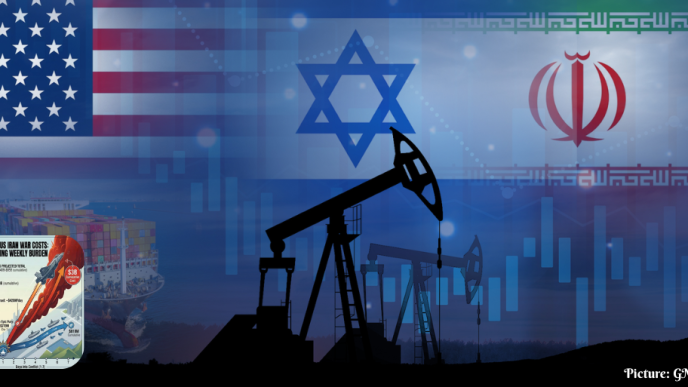
The United States is reportedly on the verge of reaching a significant agreement with Iran that aims to halt its nuclear weapons program and ease tensions in the Middle East, particularly regarding the vital Strait of Hormuz.
The United States is in advanced negotiations with Iran that could lead to a historic agreement to curtail Iran’s nuclear ambitions and restore stability in the Middle East. According to regional officials speaking to The Associated Press on Sunday, the deal would involve Iran’s commitment to relinquish its stockpile of highly enriched uranium, which has become a point of contention in international discussions surrounding Tehran’s nuclear program.
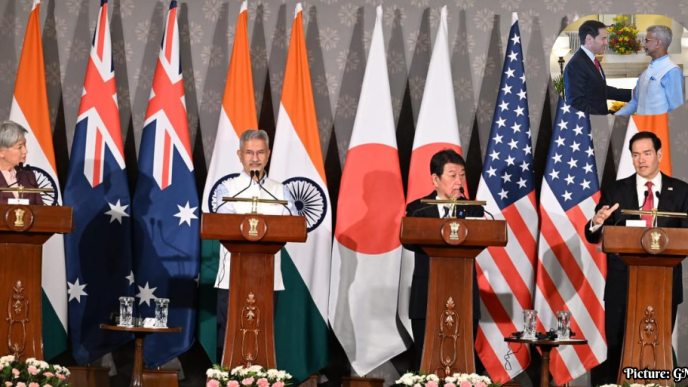
U.S. Secretary of State Marco Rubio, who is currently visiting India, confirmed that significant progress has been made in negotiations, stating that the world could soon be free from the nuclear threat posed by Iran, though he did not provide detailed information on the agreement. “The negotiations are proceeding in an orderly and constructive manner, and I have informed my representatives not to rush into a deal as time is on our side,” President Donald Trump remarked on social media.
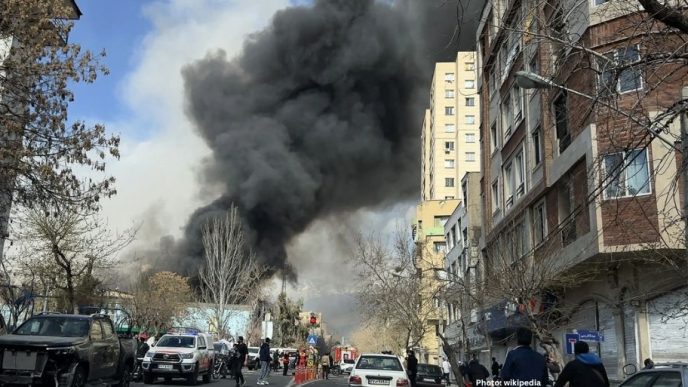
The potential agreement is seen as crucial for reopening the Strait of Hormuz, a strategic waterway through which a significant portion of the world’s oil supply transits. The strait was effectively closed following military actions initiated by the U.S. and Israel against Iran on February 28, which exacerbated a global energy crisis. Oil and gas prices have surged as a result, straining economies worldwide. Experts indicate that restoring shipping and price stability in the region could take weeks or even months.
Details of the Negotiations
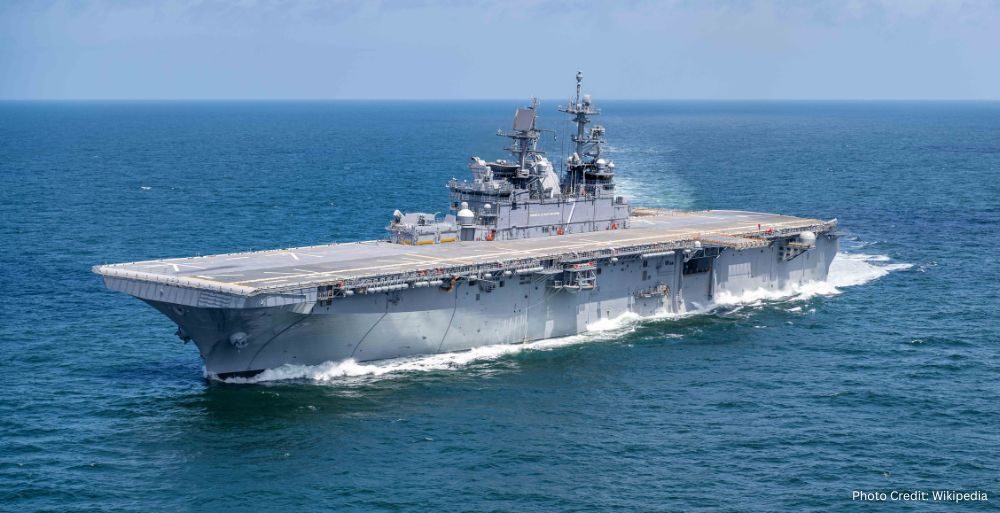
The U.S. has maintained a blockade on Iranian ports for over a month, a measure Trump emphasized would remain in effect until a comprehensive agreement is reached and formally signed. This blockade has been a significant factor in escalating tensions in the region.
The proposed deal reportedly includes a framework for how Iran would surrender its enriched uranium. One official with knowledge of the discussions indicated that some of the uranium could be diluted, while the remainder might be transferred to a third country, potentially Russia, which has offered to facilitate the process. Currently, Iran possesses approximately 440.9 kilograms of uranium enriched to 60 percent purity, a short technical step away from weapons-grade levels.
Iran’s President Masoud Pezeshkian has publicly stated that the country is prepared to assure the international community it does not seek nuclear weapons, emphasizing Iran’s longstanding position that its nuclear program is for peaceful purposes. However, the Iranian Foreign Ministry spokesperson, Esmail Baghaei, has also expressed caution, noting that while differences between Iranian and U.S. positions are narrowing, Iran remains wary after experiencing military aggression during previous negotiations.
Regional Implications
The emerging agreement could also pave the way for a ceasefire between Israel and the Iran-backed Hezbollah militant group in Lebanon, a crucial aspect of the broader negotiations. Reports suggest that the U.S. might consider allowing Iran to sell oil through sanctions waivers as part of the negotiations, with further discussions on sanctions relief and the release of Iran’s frozen assets anticipated during a designated 60-day timeframe.
Since the onset of conflict in late February, more than 3,000 people have reportedly been killed in Lebanon, with ongoing clashes between Hezbollah and Israeli forces. Israel remains skeptical of the potential agreement, with Prime Minister Benjamin Netanyahu emphasizing that any final accord must eliminate the nuclear threat from Iran while affirming Israel’s right to defense. Israeli officials have conveyed a cautious approach, monitoring developments closely.
As the potential deal takes shape, it has drawn varied reactions within the international community. Several nations, including those in the European Union and the United Kingdom, have expressed cautious optimism regarding the progress of negotiations, while Israel has reiterated its concerns about regional security, particularly regarding Hezbollah’s continued military capabilities.
The discussions surrounding the deal are particularly significant given the historical context of Iran’s nuclear program, which has been a focal point of international diplomacy and conflict for over a decade. The U.S. withdrawal from the 2015 nuclear agreement under the Trump administration marked a pivotal shift in policy, leading to increased tensions and a series of confrontations in the region.
As negotiations continue, the stakes remain high for all parties involved, with the potential for significant geopolitical ramifications depending on the outcome of the talks.