As Vladimir Putin navigates increasing criticism from both elites and the general public, his approval ratings decline amid economic struggles and the ongoing conflict in Ukraine.
In early May, Russian President Vladimir Putin was seen arriving at a hotel in central Moscow, casually dressed and carrying a bouquet of flowers for a meeting with his former schoolteacher. This public appearance was intended to project an image of accessibility and confidence, a persona he has cultivated over his 25 years in power. However, this carefully curated moment came just a day after reports from various Western media outlets cited a European intelligence assessment suggesting that Putin had been hiding in an underground bunker, fearing both assassination and potential coup attempts.
While the actual threat of a coup may be overstated, there is significant evidence indicating that Putin is entering one of the most challenging phases of his lengthy leadership. Interviews with individuals close to the Russian president and sources within the business community reveal a growing sense of disillusionment among the elite regarding his handling of the Ukraine conflict and the domestic economic situation.
Shift in Mood Among Elites
A well-connected business leader articulated a noticeable shift in sentiment among Russia’s elite, stating, “There’s definitely been a shift in mood among the elites this year… there is profound disappointment in Putin.” This sentiment is echoed by a sense of impending catastrophe, although many elites do not believe an immediate collapse is forthcoming. The business leader continued, “But there is a growing realization that utterly senseless, self-destructive decisions keep being made. People who once defended Putin no longer do. Any sense of a future has disappeared.”
Recent polling indicates that Putin’s approval ratings are slipping, with economic pressures mounting and even pro-Kremlin bloggers beginning to express dissent. Despite this internal turbulence, Putin’s strategic approach to the war in Ukraine remains unchanged. He continues to assert that Russia can achieve full control over the Donbas region by year’s end, a belief he has communicated to his inner circle.
Military Strategy and Battlefield Realities
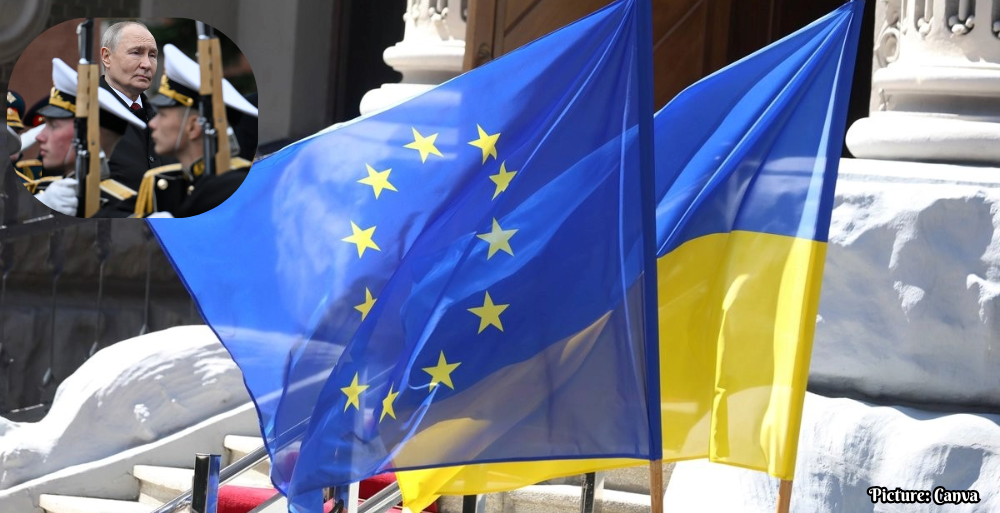
Putin’s fixation on the Donbas was evident in his remarks following the scaled-back Victory Day parade on May 9, where he suggested that the war was “coming to a close.” Observers caution that this statement should not be read as an indication of willingness to negotiate but rather as a reflection of his belief in imminent military success. A Ukrainian intelligence official noted that Russian military leaders are feeding Putin overly optimistic reports that victory is just around the corner.
Despite these assertions, military analysts warn that current Russian advances are far from sufficient to achieve the desired territorial gains in the Donbas. It remains uncertain how much of an accurate picture Putin is receiving from his military and security advisors. One senior European intelligence official remarked, “Even if many around him understand the reality of the situation, we still don’t know what Putin himself understands. That’s the most difficult part.”
Challenges at Home
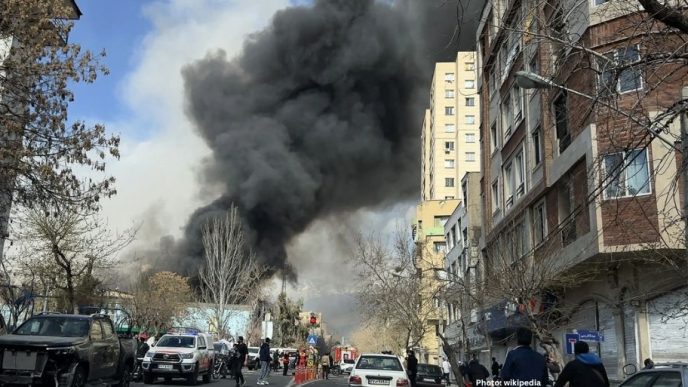
At home, the economic implications of the war are becoming increasingly visible. A crackdown on mobile internet access, which began in early 2026, has resulted in significant disruptions across central Moscow and other regions, prompting complaints from businesses about losses running into billions of roubles. Authorities justify these restrictions as necessary security measures against potential Ukrainian drone attacks. However, the backlash from the Russian populace is palpable. Ksenia Sobchak, a prominent journalist, highlighted the growing outrage, stating, “The issue with the internet is a very sensitive one for Russian society.”
Additionally, inflation and rising taxes have further strained ordinary Russians, with many experiencing a significant increase in the cost of living. This economic distress appears to have broken an informal social contract that allowed citizens to largely ignore the ongoing war as long as daily life remained stable. Reports indicate that Russia’s general happiness index fell to a 15-year low in April, reflecting widespread dissatisfaction.
Potential for Dissent
While discontent is on the rise among both the elite and the general population, analysts suggest that any real threat to Putin’s regime is more likely to come from within his inner circle rather than from mass protests. Recently, speculation has arisen regarding the political future of former defense minister Sergei Shoigu, who has faced increasing isolation amid rumors of a potential purge. However, many insiders maintain that Shoigu lacks the support necessary to challenge Putin directly.
Moreover, the oligarchs—many of whom are privately critical of the war—remain largely silent, fearing repercussions from the state. Oleg Tinkov, one of the few business leaders who has publicly opposed the invasion, described the situation as “playing Russian roulette,” where elites hope to avoid being targeted while observing their peers fall from grace.
Putin’s Response
In response to the rising criticism and concerns about his leadership, Putin has increased his public appearances and travel, which some see as an effort to combat narratives of insecurity surrounding his presidency. Observers note that while there is noticeable nervousness among elites, claims of an existential threat to Putin’s rule are premature, as he still maintains control of the political landscape.
As the situation continues to evolve, a senior European intelligence official observed that many in the upper echelons of Russian power are entering an “acknowledgment phase,” recognizing the myriad issues facing the country yet lacking a clear strategy for addressing them. This dynamic suggests that while Putin’s grip on power appears unwavering, the complexities of both domestic and international challenges may be mounting.