The unveiling of India’s first bullet train design marks a significant step in the country’s high-speed rail initiative, aimed at connecting key urban centers and modernizing transportation infrastructure.
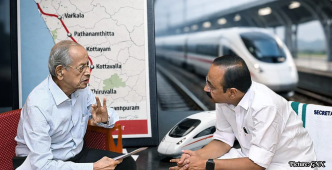
The Ministry of Railways in New Delhi has unveiled the first design of India’s proposed bullet train, which is set to operate on the Mumbai-Ahmedabad corridor. This unveiling provides a tangible glimpse into an ambitious project that aims to transform the transportation landscape of India. The model of the high-speed train is prominently displayed at Gate Number 4 of the Ministry’s building, signifying a notable milestone in the nation’s ongoing efforts to enhance rail connectivity.
According to a statement from Indian Railways, this model represents the country’s inaugural high-speed rail service. The Mumbai-Ahmedabad High-Speed Rail corridor is projected to commence operations on August 15, 2027, and is expected to drastically reduce travel time between these two major cities to approximately two hours. Currently, the journey takes around 7 to 8 hours via conventional train services, highlighting the efficiency that this high-speed rail service aims to offer.
Project Overview and Economic Significance
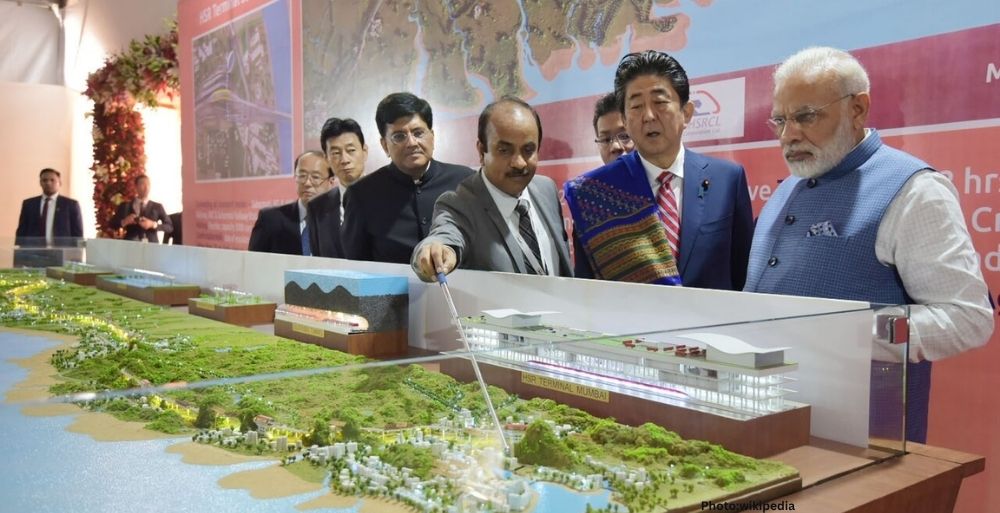
The Mumbai-Ahmedabad corridor is a pivotal project in India’s efforts to modernize its railway infrastructure and improve economic connectivity. Estimated to cost around $17 billion, the project benefits from a significant loan provided by Japan, which is also offering technical expertise for its construction. This partnership reflects Japan’s longstanding engagement with India’s infrastructure development, particularly in the transportation sector.
The high-speed rail service is not merely a transportation upgrade; it is also expected to stimulate economic growth by enhancing business travel and tourism between the two cities. The project is envisioned as a catalyst for regional development, potentially attracting investments and promoting the creation of jobs. As urban centers like Mumbai and Ahmedabad continue to grow, the demand for efficient transportation options becomes increasingly critical.
Recent Developments in Construction
In a significant advancement toward realizing this project, the National High Speed Rail Corporation Limited (NHSRCL) announced the successful lowering of the first Tunnel Boring Machine (TBM) cutterhead at Vikhroli in Mumbai’s eastern suburbs. This milestone marks a crucial step in the construction of the underground tunnel section for the bullet train. The TBM, which features a diameter of 13.6 meters and weighs 350 tonnes, is designed to excavate tunnels that will accommodate the high-speed rail.
NHSRCL’s official release highlighted that the cutterhead of the TBM is engineered to create a single tunnel large enough to support both the up and down lines of the bullet train corridor. This project employs two TBMs, each weighing over 3,000 tonnes, which are currently being assembled to work on a 16-kilometer section of a total 21-kilometer tunnel. Notably, this includes a landmark 7-kilometer undersea tunnel beneath Thane Creek, marking India’s first foray into undersea rail infrastructure.
Engineering Challenges and Solutions
The engineering challenges associated with this project are substantial. The construction will navigate beneath densely populated urban areas and the Mithi River, necessitating advanced engineering solutions to ensure safety and minimal disruption. The TBMs are among the largest machines deployed for railway tunnel construction in India, reflecting the scale and ambition of the project.
The cutterhead’s assembly, which involved approximately 1,600 kg of high-precision welding, underscores the meticulous planning and execution required for such a complex engineering endeavor. The component was delivered to the site in five separate shipments, emphasizing the logistical challenges involved in the project.
Social and Environmental Considerations
Despite the anticipated benefits of the Mumbai-Ahmedabad bullet train, the project has faced scrutiny regarding its environmental impact and social implications, particularly in urban areas where construction is active. Local communities have expressed concerns about potential displacement and disruption caused by the construction activities. Stakeholders, including government officials, urban planners, and community leaders, are expected to engage in ongoing discussions to ensure that the project’s social impacts are managed appropriately.
Environmental assessments are ongoing to address potential concerns about the ecosystem along the corridor. The government has emphasized that it is committed to adhering to environmental regulations and mitigating any adverse effects that may arise from the construction and operation of the high-speed rail service.
Looking Ahead: Future of High-Speed Rail in India
The unveiling of the bullet train model and the progress in construction represent a significant commitment to modernizing India’s rail transport infrastructure. As the August 2027 launch date approaches, the success of the Mumbai-Ahmedabad bullet train project may serve as a benchmark for future high-speed rail initiatives across India. The project is not only a technological achievement but also a reflection of India’s aspirations to enhance its connectivity, promote economic growth, and modernize its transportation systems.
In summary, the Mumbai-Ahmedabad bullet train project embodies a transformative vision for India’s transportation future. As the nation invests in high-speed rail, it aims to enhance connectivity among its largest urban centers and foster economic development in the process.