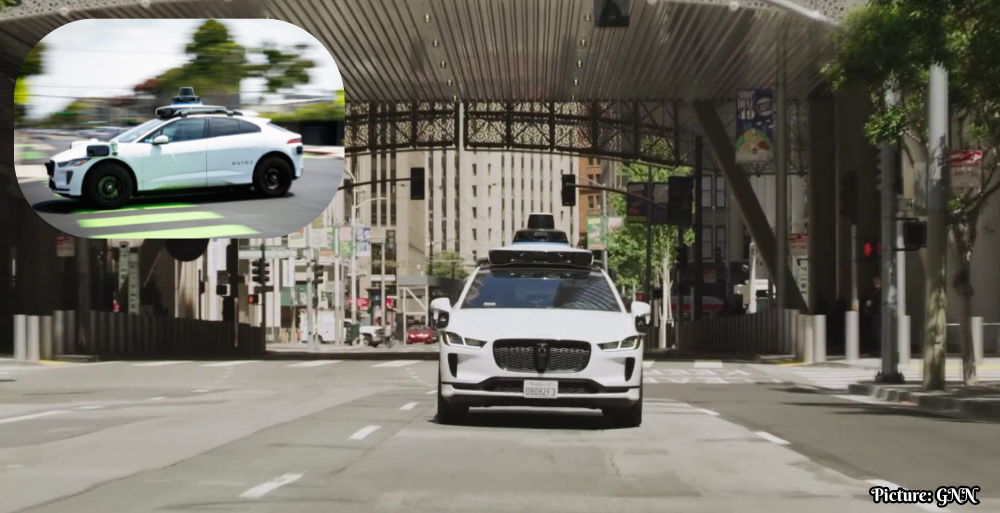
Waymo has begun the preliminary phase of introducing self-driving technology in Virginia by transporting vehicles to map Arlington and Alexandria, despite current legal restrictions on autonomous vehicle operations in the state.
Waymo, a subsidiary of Alphabet Inc., has initiated the process of mapping key areas in Virginia, specifically Arlington and Alexandria, which are located in the northern part of the state. This move commenced last week as part of the company’s broader strategy to eventually establish a robotaxi service in the region, contingent upon state authorization for fully autonomous operations.
According to Ethan Teicher, a spokesperson for Waymo, the mapping endeavor is a crucial preparatory step in the event that the Commonwealth of Virginia permits a fully autonomous ride-hailing service. Although the company is actively engaged in mapping activities, Teicher emphasized that there are currently no plans to launch a commercial service in Virginia.
Mapping Phase and Future Prospects
During a recent public meeting of the Virginia Department of Transportation’s working group, Rich Harrington, a policy adviser for Waymo, confirmed that their vehicles had already reached Alexandria and would soon arrive in Arlington. This is significant as it marks the company’s first tangible steps into a state where self-driving cars are not yet legally allowed to operate without a human driver. Harrington noted that transitioning from the mapping phase to a fully operational robotaxi service typically requires 12 to 18 months and substantial financial investment.
Waymo has reportedly kept local officials informed throughout this process. As Ellen Kamilakis, a spokesperson for Virginia’s Department of Transportation, mentioned, the agency was unable to provide additional comments by press time.
Legislative Environment in Virginia
Virginia is currently assessing how to regulate autonomous vehicles through its Autonomous Driving Work Group. The state Senate is evaluating a bill designed to create a licensing framework for autonomous vehicles capable of carrying passengers or cargo. However, the bill’s sponsor, state senator Saddam Salim, has indicated that even if passed, it may not permit the operation of self-driving cars until 2028, as reported by local outlet Arlington Now.
The mapping initiative underscores Waymo’s expansive ambitions within the autonomous vehicle sector and serves as a litmus test for its lobbying efforts. Presently, Waymo operates in 11 metropolitan areas across the United States, providing approximately 500,000 rides per week. The company is also looking to extend its services to 20 additional cities globally, including major international hubs such as London and Tokyo.
Challenges and Opposition
Despite its rapid expansion, Waymo has encountered significant opposition in various predominantly Democratic states and urban centers, where concerns about the potential job displacement caused by autonomous vehicles have been raised. In Maryland, a bill that would have authorized driverless car companies to transport passengers failed to progress through the state legislature last month. Additionally, a proposed bill in Washington, D.C., is under consideration, which would allow autonomous vehicles on public roads but impose unique permits and fees.
Waymo had previously announced plans to launch services in Baltimore and D.C. in 2025, yet the timeline for these operations remains uncertain. The company recently faced operational challenges in Texas, Tennessee, and Georgia due to severe weather events, leading to a temporary suspension of its services in those areas. Furthermore, Waymo issued a recall concerning software that influences vehicle behavior on flooded roads, stating that its ride-hailing service would temporarily avoid high-speed routes affected by flooding.
Waymo’s Broader Goals and Legislative Engagement
Despite these hurdles, Waymo maintains that it is “actively working” to introduce its services in Washington, D.C., and continues to lay the groundwork for similar operations in Baltimore. The presence of Waymo’s vehicles, even in a manually driven capacity, may present advantages by allowing the company to engage with national policymakers who are contemplating legislative changes that could facilitate the broader integration of autonomous vehicles in various regions.
As Waymo navigates the complexities of expanding its services into new territories, the company has positioned itself as a key player in the rapidly evolving autonomous vehicle landscape. Its efforts to map Virginia’s roads exemplify a strategic approach to understanding local regulations and potential market dynamics that could impact service deployment. The company’s ability to adapt to regulatory environments will be crucial as it seeks to expand its footprint beyond the 11 metropolitan areas where it currently operates.
Furthermore, as local and state governments grapple with the implications of autonomous vehicles, Waymo’s lobbying and engagement with policymakers will be critical in shaping the future of transportation. With autonomous vehicle technology continuing to advance, the outcomes of these legislative efforts could set important precedents for how such technologies are regulated and adopted across the United States.