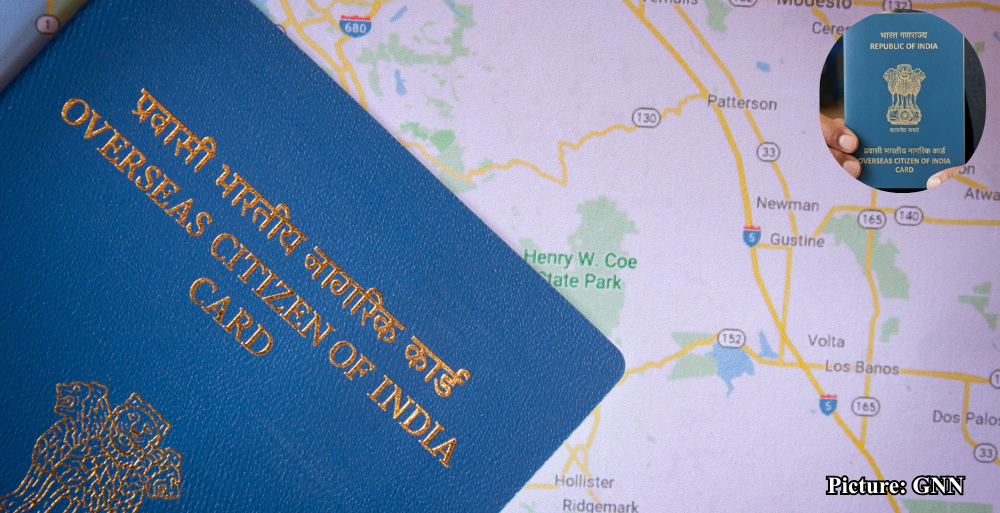
India has launched the e-OCI Card, an electronic version of the Overseas Citizen of India Card, aimed at simplifying the application process for Indian-origin individuals abroad while enhancing accessibility and security.
In a pivotal development for Indian expatriates and their families, the Government of India has unveiled the e-OCI Card, a digital adaptation of the traditional Overseas Citizen of India (OCI) Card. This initiative, which will take effect on May 1, 2026, comes in the wake of amendments made to the Citizenship (Amendment) Rules, 2026. The changes are intended to modernize the OCI application process, making it more efficient and user-friendly for Indian-origin foreign citizens and their dependents.
Transition to Digital OCI
The introduction of the e-OCI Card is designed to alleviate the complications associated with carrying a physical card. By replacing the physical booklet with a digital version, users can store and access their OCI credentials conveniently on mobile devices, thereby reducing concerns related to loss or damage. The Indian government will prioritize new applicants for the issuance of e-OCI Cards, while existing holders will receive their digital versions in a phased manner during the reissuance process. Importantly, existing physical OCI cards will remain valid despite the transition.
Sourav Agarwal, Senior Editor at Indian Eagle, a travel service catering to overseas Indians, emphasized the transitional nature of this change, advising travelers to carry their physical OCI booklets until airline personnel are fully briefed on the new digital system. He stated, “Some airlines, especially European and American, insist on checking physical travel documents unless they get an official bulletin from the Indian Embassy.” This highlights the ongoing adjustments that airlines will need to make in response to the digital transition.
Benefits of the e-OCI Card
The e-OCI Card offers several significant advantages over its physical predecessor:
- Faster Processing: The application processing time will be expedited to approximately 15 business days, a substantial improvement compared to the previous 6 to 8 weeks associated with physical card issuance.
- Streamlined Updates: Updating personal information will involve less documentation and paperwork, facilitating a smoother process for users.
- Mobile Accessibility: Users can access their e-OCI credentials seamlessly via their mobile phones, enhancing convenience and usability.
- Reduced Risk: The digital system eliminates concerns about losing or damaging physical documents, providing a safer alternative for users.
- Quicker Immigration Verification: Travelers will experience faster immigration verification at Indian airports, reducing wait times for entry.
- No Third-Party Interaction Required: The need to engage with Visa Facilitation Services (VFS) or BLS for documentation will be eliminated, simplifying the entire process.
Furthermore, by December 2026, the e-OCI system is expected to integrate advanced facial recognition technology, allowing for touchless entry and exit at international airports in India, which is anticipated to further enhance the travel experience for OCI cardholders.
Regulatory Changes and Application Process
The Citizenship (Amendment) Rules, 2026, also represent a significant shift in the OCI application protocol by removing the requirement for applicants to submit duplicate applications. This change underscores the government’s commitment to digitalizing documentation procedures. For individuals who have yet to submit their biometrics as part of the Fast Track Immigration program, the e-OCI system facilitates automatic registration once their digital credentials are issued, negating the need for physical visits to local offices.
The application process for obtaining an e-OCI Card is straightforward, consisting of the following steps:
- Visit the official portal at OCIservices.gov.in.
- Complete Form XXVIII online, providing personal details such as a valid phone number and email address.
- Upload a recent passport photograph and biometric images that meet specified criteria.
- E-sign declarations and complete the verification process.
- Pay the applicable fees online and submit the application.
- Receive an acknowledgment number for tracking the status of the application in real time.
Renunciation and Cancellation of OCI
The e-OCI system also simplifies the process for individuals wishing to renounce their OCI status. Applicants can voluntarily surrender their OCI cards online by filling out Form XXXI on the dedicated OCI portal, eliminating the necessity for physical visits to designated centers. In cases of voluntary renunciation or involuntary cancellation by the Indian government, individuals holding physical OCI cards must submit their cards for processing. Following successful submission, they will receive electronic acknowledgment confirming the removal of their names from official records.
Implications for the Indian Diaspora
This initiative is part of India’s broader strategy to enhance the efficiency and transparency of its immigration processes, particularly for the Indian diaspora. By digitizing the OCI program, the Indian government aims to better serve overseas citizens, making it more accessible and user-friendly. The move reflects a growing global trend towards digital governance, which can significantly reduce bureaucratic barriers and improve user experiences for citizens living abroad.
As the world continues to embrace digital solutions, the e-OCI Card could represent a significant step forward in modernizing the relationship between India and its expatriate community. The expected improvements in processing times and user accessibility may encourage more individuals of Indian origin to engage with their country of heritage, fostering stronger ties and connections.